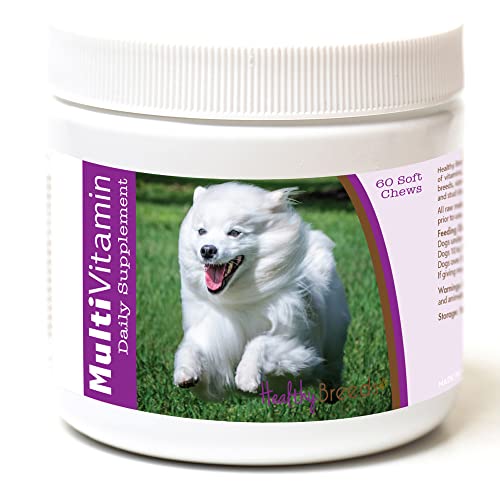
American Eskimo Dog Breed Guide
Everything you need to know about the American Eskimo Dog — temperament, care requirements, training, grooming, health, and how to find a reputable breeder for this beautiful spitz breed.
The American Eskimo Dog is a striking, snow-white spitz breed known for its intelligence, playful nature, and alert expression. Despite the name, this breed was actually developed in the United States, not Alaska. With its fluffy double coat, erect ears, and fox-like face, the American Eskimo is as beautiful as it is capable — excelling in obedience, agility, and as a devoted family companion.
If you are researching this breed before bringing one home, you are in the right place. This guide covers everything from temperament and training to grooming and health, so you can decide whether the American Eskimo Dog is the right fit for your lifestyle — and how to care for one properly if it is.
Breed Overview & Quick Facts
The American Eskimo Dog is a member of the non-sporting group and is recognized by the American Kennel Club (AKC). The breed comes in three size varieties — toy, miniature, and standard — but all share the same distinctive appearance and personality traits.
Breed Group
Non-Sporting
Recognized by AKCHeight
9–19 inches
Varies by size varietyWeight
6–35 lbs
Toy to standardLifespan
13–15 years
Long-lived breedCoat
Double, white
Heavy shedderTemperament
Smart & Alert
Playful and devotedExercise
30–60 min/day
Plus mental workTrainability
High
Eager but independentGood with Kids
Yes
With supervisionKey Takeaway: The American Eskimo Dog is a smart, energetic, and affectionate breed that thrives with active owners who can provide daily exercise, mental stimulation, and consistent training. Their thick white coat requires regular grooming, and their vocal nature makes them excellent watchdogs — but also requires training to manage barking.
History & Origins
Despite its name, the American Eskimo Dog originated in the United States, not Alaska or the Arctic. The breed descends from European spitz-type dogs — specifically the German Spitz — brought to America by German immigrants in the late 1800s and early 1900s.
The breed's name changed during World War I due to anti-German sentiment in the United States. Originally called the "American Spitz," the name was changed to "American Eskimo Dog" — a marketing decision rather than a reflection of the breed's actual origins. The breed became famous in the 1930s and 1940s through circus performances, where their intelligence and trainability made them star performers.
The American Eskimo Dog was officially recognized by the AKC in 1994. Today, the breed remains relatively uncommon but has a devoted following of enthusiasts who appreciate its beauty, intelligence, and lively personality. For a deeper look at the breed and similar spitz types, explore our broader dog breeds resource.
Temperament & Personality
The American Eskimo Dog is intelligent, alert, and playful — a combination that makes them engaging companions but also requires committed owners. They form strong bonds with their families and want to be involved in everything that happens at home.
Core Personality Traits
- Highly intelligent: American Eskimos learn quickly and enjoy problem-solving. They excel in obedience, agility, and trick training. Boredom is their enemy — an under-stimulated Eskie will find their own entertainment, often at your expense.
- Affectionate with family: They are devoted to their people and enjoy being close to them. Many Eskies follow their owners from room to room and want to be included in daily activities. They do not do well when left alone for long periods.
- Alert and vocal: Their watchdog instincts are strong. They bark to announce visitors and unusual sounds. This makes them excellent alert dogs, but also means training to manage excessive barking is essential.
- Playful and energetic: Eskies retain a puppy-like playfulness well into adulthood. They enjoy interactive games, fetching, and learning new tricks. Daily play sessions are not optional — they are a requirement for their well-being.
- Reserved with strangers: They are naturally cautious around people they do not know. Early socialization helps them become more comfortable, but they will always be somewhat aloof with strangers — which is part of their watchdog nature.
- Can be strong-willed: Their intelligence comes with a streak of independence. They are not blindly obedient and will test boundaries. Consistent, patient training with positive reinforcement is the most effective approach.
Are American Eskimo Dogs Good With Children?
Yes, when properly socialized and trained, American Eskimo Dogs make good family companions. They are playful and enjoy interacting with children. However, their herding instinct may lead them to nip at running children's heels, and their small size makes them vulnerable to rough handling. Always supervise interactions between dogs and young children, and teach children how to approach and handle dogs respectfully.
Are They Good With Other Pets?
With proper introductions and socialization, American Eskimo Dogs can live peacefully with other dogs and cats. However, they can be territorial and may not appreciate unfamiliar animals entering their space. Early socialization is key, and slow, controlled introductions work best. Their high prey drive means they may chase smaller animals like hamsters or birds if given the chance. For owners considering a multi-pet household, understanding dog behavior basics helps ensure smooth integration.
Sizes: Toy, Miniature & Standard
The American Eskimo Dog comes in three distinct size varieties. All three share the same breed characteristics, temperament, and care requirements — only the size differs.
| Variety | Height | Weight | Best For |
|---|---|---|---|
| Toy | 9–12 inches | 6–10 lbs | Apartment living, smaller homes |
| Miniature | 12–15 inches | 10–20 lbs | Most families, versatile companion |
| Standard | 15–19 inches | 18–35 lbs | Active families, outdoor enthusiasts |
Regardless of size variety, all American Eskimo Dogs require the same level of exercise, training, and grooming. A toy Eskie is not a "less demanding" dog — they are simply smaller. Their exercise needs are proportionally similar, and their intelligence is identical across varieties.
Exercise & Activity Needs
Despite their fluffy, almost decorative appearance, American Eskimo Dogs are energetic working dogs at heart. They need daily physical exercise and mental stimulation to stay happy, healthy, and well-behaved.
Daily Exercise Requirements
- Walks: At least two walks daily, totaling 30–60 minutes. These should be brisk, structured walks where your dog is moving with purpose, not just sniffing around the block.
- Play sessions: Fetch, tug, and interactive games are excellent outlets for their energy. They enjoy toys that challenge them, and using interactive dog toys can combine physical activity with mental engagement.
- Mental stimulation: Puzzle toys, training sessions, and scent games tire them out mentally. A 15-minute training session can be as effective as a 30-minute walk for wearing out an Eskie's mind.
- Free running: In a securely fenced area, allow your dog to run off-leash. Their agile, athletic build makes them fast and nimble — they enjoy sprinting and weaving.
Training Tip: A tired American Eskimo is a well-behaved American Eskimo. If your Eskie is barking excessively, chewing furniture, or getting into mischief, the solution is usually more exercise and mental work — not punishment. Their behavior problems are almost always rooted in boredom.
Exercise Safety
Because of their thick double coat, American Eskimo Dogs are more susceptible to heat exhaustion than many breeds. Exercise them during the cooler parts of the day in warm weather, and always provide plenty of water. Their small size also means they can be vulnerable to larger dogs at dog parks — supervise interactions carefully. If you are considering outdoor activities, a dog carrier or car seat can keep them safe during travel to trails and parks.
Training & Socialization
American Eskimo Dogs are highly trainable — but they are not pushovers. Their intelligence means they learn quickly, but it also means they can learn bad habits just as fast. They need a confident, consistent owner who establishes clear rules and follows through.
Why Positive Reinforcement Works Best
Eskies respond poorly to harsh training methods. Punishment-based training can make them fearful, defensive, or stubborn. Positive reinforcement — rewarding desired behaviors with treats, praise, or play — brings out their best. They are eager to please when they understand what is expected, and they enjoy the mental challenge of training sessions.
- Keep sessions short: 5–10 minutes per session, a few times a day. Eskies have active minds and lose focus if sessions drag on.
- Be consistent: Everyone in the household must use the same commands and rules. Inconsistency confuses this intelligent breed.
- Use high-value rewards: Find what motivates your dog — food, toys, or praise — and use it strategically. High-value treats work best for new behaviors.
- Socialize early and often: The critical socialization window is 3–14 weeks. Expose your puppy to new people, places, sounds, and experiences in a positive way. Continue socialization throughout their first year.
- Train the "quiet" command: Because Eskies are vocal, teaching them to stop barking on command is essential. Reward quiet behavior and manage situations that trigger excessive barking.
Essential Commands for American Eskimo Dogs
All dogs should know basic obedience, but certain commands are especially important for this breed:
- Come (recall): Their prey drive and independent streak make reliable recall a safety necessity. Never punish your dog for coming to you, and practice recall in increasingly distracting environments.
- Leave it: Prevents them from chasing small animals, eating dangerous items, or investigating things they shouldn't.
- Quiet: Directly addresses their tendency to bark. Teach it by rewarding silence, not by shouting — shouting sounds like barking to your dog and can make the problem worse.
- Stay: Their alert nature makes them want to investigate everything. A solid stay keeps them safe and under control.
- Drop it: Gets them to release items from their mouth — important for safety and for managing their tendency to pick up found objects.
For puppies, enrolling in dog and puppy training classes provides structured socialization and professional guidance. Even adult Eskies benefit from refresher training and new challenges.
Grooming & Coat Care
The American Eskimo Dog's thick double coat is their most distinctive feature — and their most demanding grooming requirement. This is not a wash-and-wear breed. Their coat needs consistent attention to prevent mats and manage shedding.
The Double Coat Explained
American Eskimo Dogs have two layers of fur: a soft, dense undercoat for insulation and a longer, harsh outer coat that repels dirt and moisture. This coat protected their ancestors in cold climates, but it means they shed — a lot. They "blow" their undercoat twice a year (spring and fall), during which shedding increases dramatically.
Grooming Routine
- Brushing: 2–3 times per week, minimum. During shedding season, daily brushing is necessary to prevent mats and manage the volume of loose fur. Use an undercoat rake and a slicker brush to reach both layers. A quality dog brush designed for double coats makes the job much easier.
- Bathing: Every 6–8 weeks, or when dirty. Use a dog-specific shampoo — human shampoo disrupts the coat's natural oils. A dog shampoo formulated for double coats helps maintain coat condition. Always dry thoroughly, especially the undercoat, to prevent skin problems.
- Nail trimming: Every 3–4 weeks. Regular nail trimming prevents painful overgrowth and gait problems.
- Ear cleaning: Weekly. Their erect ears are less prone to infection than floppy ears, but regular cleaning is still important.
- Dental care: Brush teeth several times per week. Dental disease is common in small breeds. A dog toothbrush and dog-specific toothpaste make this manageable.
- Never shave: Shaving an American Eskimo destroys their coat's insulating properties and can cause permanent damage. The coat may not grow back correctly. If you are concerned about heat, provide shade, water, and cool indoor spaces instead.
Shedding Reality Check: If you are not prepared for significant shedding and regular grooming, the American Eskimo Dog may not be the right breed for you. Their beautiful white coat comes with a maintenance commitment. For allergy sufferers, be aware that this breed is not hypoallergenic — they produce dander like any double-coated breed.
Health Issues & Prevention
American Eskimo Dogs are generally healthy and long-lived, but like all breeds, they have predispositions to certain conditions. Understanding these risks allows you to take preventive measures and recognize problems early.
Common Health Issues
- Hip dysplasia: A genetic condition where the hip joint doesn't fit properly, leading to arthritis and mobility issues. Reputable breeders screen breeding dogs for this condition. Maintaining a healthy weight and providing joint-friendly exercise reduces risk.
- Luxating patella: A condition where the kneecap slips out of place. Common in small breeds. Symptoms include skipping, hopping, or reluctance to bear weight on a hind leg. Surgery may be needed in severe cases.
- Progressive retinal atrophy (PRA): A degenerative eye condition that leads to blindness. Genetic testing of breeding dogs helps prevent passing it on. Responsible breeders test their dogs before breeding.
- Legg-Calve-Perthes disease: A condition where blood supply to the femoral head is interrupted, causing the bone to deteriorate. More common in toy and miniature varieties. Surgical intervention is often required.
- Allergies: Skin allergies and food sensitivities can occur. Symptoms include itching, redness, hair loss, and digestive upset. Identifying and eliminating triggers helps manage the condition.
- Dental disease: Small breeds are especially prone to dental problems. Regular brushing and professional cleanings prevent pain and systemic health issues.
Preventive Care
Routine veterinary care is essential for catching problems early. Healthy adult Eskies should see the vet annually for wellness exams, vaccinations, and parasite screening. Senior dogs (7+ years) benefit from twice-yearly checkups with blood work.
Core vaccinations (rabies, distemper, parvovirus, adenovirus, parainfluenza) should be kept up to date. Your vet will recommend a schedule based on your dog's age, lifestyle, and local disease risks. For puppies, understanding the DHPP vaccine for puppies schedule is important before they are fully protected.
Parasite prevention — flea, tick, and heartworm — should be maintained year-round in most climates. Talk to your vet about the best prevention strategy for your area.
Health Testing Matters: When choosing a breeder, ask about health testing. Reputable breeders test their breeding dogs for hip dysplasia, eye conditions, and other genetic issues. Learn more about genetic testing for dog breeds and why it matters for the health of your future puppy.
Living With an American Eskimo
Apartment Living
American Eskimo Dogs can adapt to apartment living provided they get enough exercise and mental stimulation. Their small size (especially toy and miniature varieties) makes them suitable for smaller spaces. However, their barking can be an issue in close living situations — training to manage vocalization is essential. Regular walks and trips to a park are necessary to meet their exercise needs.
Climate Considerations
Their thick coat makes them well-suited to cold climates. They enjoy snow and cold weather. However, they are sensitive to heat and should be kept indoors during hot weather. Provide shade, water, and air conditioning during summer months, and exercise them in the early morning or evening when temperatures are cooler.
Alone Time
American Eskimo Dogs do not thrive when left alone for long periods. They are social dogs that bond strongly with their families and can develop separation anxiety if isolated. If you work long hours, consider doggy daycare, a dog walker, or another pet for companionship. If separation anxiety does develop, there are effective strategies and products like dog anxiety wraps that can help.
Ideal Home Environment
- Active individuals or families who can provide daily exercise and attention
- Homes with securely fenced yards (their prey drive means they may chase small animals)
- Owners who are committed to regular grooming and training
- Households where someone is home much of the day
- People who appreciate an intelligent, interactive, and somewhat vocal companion
Pros & Cons of the American Eskimo Dog
No breed is perfect for everyone. Here is an honest assessment of the American Eskimo Dog's strengths and challenges.
Pros
- Highly intelligent and trainable
- Affectionate and loyal to family
- Playful and energetic — fun companion
- Excellent watchdog with alert nature
- Long lifespan for their size
- Striking appearance with white coat
- Adaptable to apartment living with exercise
- Generally healthy breed
Cons
- Heavy shedder — significant grooming required
- Vocal — prone to excessive barking
- Can be stubborn and independent
- Not hypoallergenic
- Prone to separation anxiety if left alone
- Reserved with strangers — needs socialization
- High exercise and mental stimulation needs
- Can be difficult to find from reputable breeders
Finding a Reputable Breeder
The American Eskimo Dog is not a common breed, which means finding a responsible breeder requires research and patience. Because of their rarity, some unscrupulous breeders take advantage of the demand — charging high prices for poorly bred puppies with health problems or poor temperaments.
What to Look For in a Breeder
- Health testing: Reputable breeders test their breeding dogs for hip dysplasia, eye conditions, and other genetic issues. Ask to see certification from organizations like OFA (Orthopedic Foundation for Animals) or similar bodies.
- AKC registration: Puppies should be registerable with the AKC. Learn about the AKC registration process and what limited vs full registration means.
- Breeder contract: A written contract protects both you and the puppy. It should outline health guarantees, return policies, and spay/neuter agreements. Review our breeder contract guide for what to expect.
- Health guarantee: A health guarantee for puppies shows the breeder's confidence in their breeding program. Understand what is covered and for how long.
- Transparency: Good breeders are transparent about their breeding practices. They allow you to visit, meet the puppy's parents, and see the conditions the dogs are raised in.
- Questions they ask you: A responsible breeder will interview you to ensure their puppy is going to a suitable home. They care about where their puppies end up.
Red Flags to Avoid
- Breeders who refuse to let you visit or meet the puppy's parents
- Puppies available for immediate pickup without screening
- No health testing or health guarantee
- Multiple litters available at all times (sign of a puppy mill)
- Puppies that appear sick, malnourished, or fearful
- Pressure to buy without asking questions
Before committing, review our questions to ask a dog breeder and red flags of a bad dog breeder to protect yourself. If you want to understand the difference between ethical and unethical operations, read about puppy mills vs reputable breeders.
Frequently Asked Questions
Is the American Eskimo Dog Right for You?
If you are an active owner who can commit to daily exercise, regular grooming, consistent training, and plenty of companionship, the American Eskimo Dog could be an excellent match. They are intelligent, affectionate, and endlessly entertaining. But if you prefer a low-maintenance, quiet, or independent dog, this breed may not be the best fit. The best way to decide is to meet adult Eskies in person, talk to owners and breeders, and honestly assess whether your lifestyle can meet their needs.
Ready to Bring Home an American Eskimo?
Explore our recommended products below to help you prepare for your new companion.
See Recommended Products