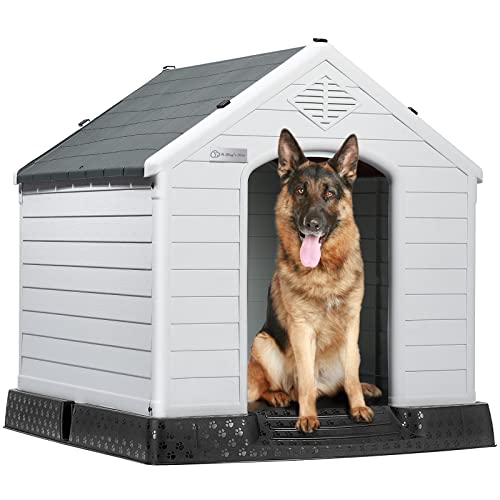
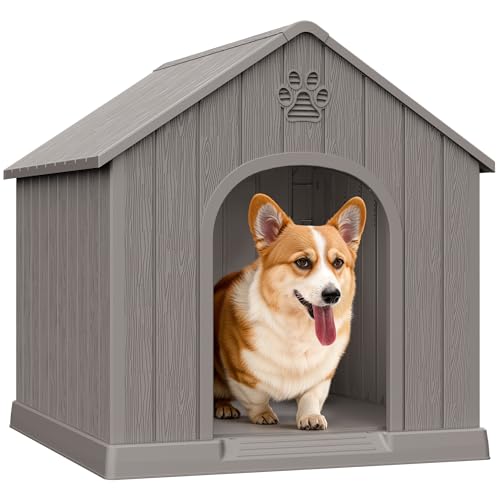
Dog House for Outside: The Complete Outdoor Shelter Guide
Everything you need to choose, set up, and maintain the perfect outdoor dog house — from sizing and insulation to weatherproofing and making your dog actually want to use it.
An outdoor dog house is more than just a shelter — it is your dog's personal space, a retreat from the elements, and a safe haven where they can rest, relax, and feel secure while spending time outside. Whether you have a working dog who spends long hours outdoors, a pet who loves lounging in the yard, or a dog who simply needs a dedicated place to escape the summer sun, the right dog house for outside makes a world of difference.
But not all outdoor dog houses are created equal. A poorly chosen house can leave your dog too hot in summer, too cold in winter, or simply unwilling to use it. This guide walks you through every factor that matters — from materials and insulation to sizing and placement — so you can make a confident, informed decision.
Why Your Dog Needs an Outdoor House
Dogs who spend time outside need protection from the elements. Unlike indoor dogs who can retreat to air conditioning or heating, outdoor dogs rely on their shelter to regulate their body temperature. Without adequate shelter, dogs face risks including heatstroke, hypothermia, frostbite, and exposure-related illnesses.
Beyond physical protection, an outdoor dog house provides psychological benefits. Dogs are den animals by nature — they instinctively seek out enclosed, secure spaces where they can observe their surroundings while feeling protected. A well-designed dog house satisfies this natural instinct and gives your dog a sense of ownership over their territory.
Important Note: An outdoor dog house should never replace proper supervision and care. Dogs left outside for extended periods need access to fresh water, shade, and regular check-ins. In extreme weather — whether scorching heat or freezing cold — bring your dog inside regardless of the shelter quality. No dog house substitutes for responsible ownership.
If you are also considering ways to keep your dog contained safely while outside, pairing a dog house with a secure dog fence or fences for outside creates a complete outdoor living setup that keeps your dog safe and comfortable.
Types of Outdoor Dog Houses
Outdoor dog houses come in several styles, each suited to different climates, dog sizes, and budgets. Understanding the differences helps you choose the right one for your situation.
Igloo-Style (Dome) Dog Houses
These rounded, plastic houses are among the most popular choices for outdoor use. The dome shape sheds rain and snow effectively, and the narrow entrance helps retain warmth in winter. Made from heavy-duty molded plastic, they are easy to clean, resist rot and insects, and are lightweight enough to move around. Best for small to medium dogs in moderate climates.
entry-level to mid-rangeWooden Dog Houses
Traditional wooden houses offer excellent insulation and timeless curb appeal. Cedar and fir are the most common woods, naturally resistant to rot and insects. Wooden houses can be painted or stained to match your home, and many feature raised floors, removable roofs, and adjustable walls. They require more maintenance than plastic but provide superior insulation in cold climates. Best for medium to large dogs.
mid-range to premiumInsulated Plastic Dog Houses
Combining the durability of plastic with the thermal performance of insulated walls, these houses are ideal for extreme climates. Double-wall construction with foam insulation keeps dogs warm in winter and cool in summer. They are easy to hose down, resist pests, and never need painting. The premium option for dogs who spend significant time outdoors.
premium to luxuryKennel-Style Dog Houses
These larger, more open structures resemble small sheds or runs. They often feature a covered porch area, elevated flooring, and removable panels for ventilation. Kennel-style houses work well for multiple dogs or large breeds who need more space. They can be customized with dividers, feeding stations, and insulation. Best for working dogs and multi-dog households.
mid-range to luxuryElevated Dog Houses
These houses sit on legs or a platform, keeping the living area off the ground. Elevation prevents moisture from seeping in, improves airflow underneath, and keeps the house cooler in summer. Elevated designs are common in kennel-style and premium wooden houses. They are especially useful in areas with heavy rain or flooding risk.
mid-range to premiumSoft-Sided or Portable Dog Houses
Lightweight, collapsible shelters made from weather-resistant fabric over a frame. These are not intended for permanent outdoor use in harsh climates but work well for camping, travel, or temporary shade. They set up in seconds and fold flat for storage. Best for occasional outdoor use and travel, not as a primary shelter.
budget-friendlyFor owners of large breeds, finding a house that accommodates your dog's full size while still providing proper insulation can be challenging. Our guide to dog houses for large dogs covers the specific considerations for bigger breeds.
Materials Compared: Which Is Best for Your Climate?
The material of your dog house determines how well it withstands weather, how comfortable it stays inside, and how much maintenance it requires. Here is how the most common materials compare:
| Material | Insulation | Durability | Maintenance | Best For |
|---|---|---|---|---|
| Molded Plastic | Low to Moderate | High | Very Low | Mild climates, easy cleaning |
| Cedar Wood | High | Moderate to High | Moderate | Cold winters, aesthetic appeal |
| Fir / Pine Wood | Moderate to High | Moderate | Moderate to High | Budget-friendly wooden option |
| Insulated Plastic | Very High | Very High | Very Low | Extreme climates, low maintenance |
| Composite / Resin | Moderate | Very High | Very Low | Long-term durability, pest resistance |
| Metal | Low | High | Low | Kennels, temporary shelter (not ideal for cold) |
Plastic is the easiest to maintain — simply hose it out and wipe it down. It never rots, does not absorb odors, and resists fleas and ticks. However, basic plastic offers limited insulation, so it is best for mild climates or paired with a heating pad in winter. Look for UV-stabilized plastic to prevent cracking and fading from sun exposure.
Wood provides natural insulation and a classic look. Cedar is the gold standard because it naturally repels insects and moisture. However, wooden houses need to be sealed or painted every year or two to prevent rot. Untreated wood can harbor parasites and absorb odors over time. If you choose wood, make sure it is raised off the ground and has a removable roof for easy cleaning.
Insulated plastic combines the best of both worlds — the low maintenance of plastic with the thermal performance of wood. These houses cost more upfront but save money on heating and replacement over time. They are the top recommendation for dogs who live outside in regions with harsh winters or hot summers.
Pro Tip: Regardless of material, choose a house with a raised floor. Ground contact draws heat out of the house in winter and allows moisture to wick up from soil. A raised floor with a few inches of air space underneath provides a critical thermal break.
Choosing the Right Size Dog House
Size is the most common mistake dog owners make when buying an outdoor house. Too small and your dog will be uncomfortable and unable to move freely. Too large and the house will not retain your dog's body heat, leaving them cold in winter.
The Golden Rule of Dog House Sizing
Your dog should be able to:
- Stand up fully without crouching or hitting their head
- Turn around completely without effort
- Lie down stretched out or curled up comfortably
- Enter and exit without squeezing through the doorway
The house should be just large enough to allow these movements — no larger. A house that is too big will feel drafty and cold because your dog's body heat cannot warm the entire space.
How to Measure Your Dog
- Height: Measure from the floor to the top of your dog's head while standing. Add 2-4 inches for clearance.
- Length: Measure from the tip of the nose to the base of the tail. Add 2-4 inches so your dog can lie down fully stretched out.
- Width: Measure the widest part of your dog's body, usually the shoulders or chest. Add 2-3 inches on each side so your dog can turn around.
- Doorway: The entrance should be about three-quarters of your dog's shoulder height and slightly wider than their body. A smaller doorway helps retain heat but must not be so small that your dog hesitates to enter.
Growing Puppies: If your dog is still growing, you have two options. Buy a house sized for their expected adult size and fill part of the interior with bedding or a removable partition to reduce the space. Or, start with a smaller house and upgrade as your puppy grows. For large and giant breeds, the second option can be expensive, so buying for adult size with adjustable interior space is usually more practical.
If you have a large dog and are struggling to find a house that fits, our guide to dog houses for large dogs discusses the specific measurements and features to look for.
Insulation & Climate Control
Insulation is what separates a dog house that is merely a shelter from one that is genuinely comfortable and safe. Without insulation, a dog house can become an oven in summer and a freezer in winter.
How Insulation Works in a Dog House
Insulation slows the transfer of heat. In winter, it prevents your dog's body heat from escaping through the walls and roof. In summer, it blocks external heat from radiating inward. The most effective insulation materials for dog houses include:
- Rigid foam board: The most common insulation in manufactured dog houses. Lightweight, moisture-resistant, and highly effective.
- Fiberglass batting: Used in some wooden houses. Effective but must be sealed behind a moisture barrier to prevent mold.
- Double-wall construction: Two layers of plastic or wood with an air gap between them. The air gap itself provides insulation, though less than foam.
- Reflective barriers: Foil-faced materials that reflect radiant heat. Often used in combination with foam for maximum performance.
Climate-Specific Recommendations
- Cold climates: Choose a house with thick foam insulation (at least 1 inch), a small doorway, a raised floor, and a roof that overhangs the entrance to block wind. Add a heated mat or thermal pad for extra warmth. Consider a door flap to retain heat.
- Hot climates: Prioritize ventilation and shade. Look for houses with adjustable vents or removable wall panels. Elevated houses with airflow underneath work well. Avoid dark-colored houses that absorb heat. Add a cooling mat or frozen water bottle wrapped in a towel.
- Moderate climates: A basic insulated plastic or wooden house with a raised floor is sufficient. Ensure good drainage and airflow to prevent moisture buildup.
- Wet climates: Focus on waterproofing and drainage. Choose plastic or treated wood, elevate the house, and ensure the roof overhangs the walls to direct water away from the entrance. Place the house on gravel or a concrete pad rather than bare soil.
Heating and Cooling Accessories: For cold weather, a heated pet mat or thermal pad designed for outdoor use provides supplemental warmth. For hot weather, a cooling mat or a shaded fan can help regulate temperature. Always use pet-safe products and check cords and connections regularly.
Placement & Setup
Where you place your outdoor dog house matters as much as which house you choose. Proper placement maximizes comfort, protection, and your dog's willingness to use it.
Ideal Placement Checklist
- Partial shade year-round: In summer, the house needs shade to stay cool. In winter, some sun exposure helps warm the house. A location under a deciduous tree provides shade in summer and sun in winter when leaves fall.
- Wind protection: Face the entrance away from prevailing winds. If possible, place the house near a wall, fence, or hedge that blocks wind.
- Rain protection: Position the house under a roof overhang, a tarp, or a natural shelter. Ensure the roof slopes away from the entrance.
- Elevation: Place the house on a raised platform, concrete pad, or gravel bed. Never place it directly on bare soil, which stays damp and cold.
- Drainage: Choose a spot where water does not pool. If your yard has poor drainage, build up a base of gravel or sand beneath the house.
- Visibility: Place the house where you can see it from your home. This allows you to monitor your dog and ensures they do not feel isolated.
- Access: Leave enough space around the house for your dog to enter and exit easily. Do not cram it into a corner where your dog feels trapped.
Preparing the Ground
Before placing the house, prepare the ground underneath. Remove grass and weeds, level the area, and add a layer of gravel or crushed stone for drainage. For wooden houses, a concrete pad provides the most stable and rot-resistant foundation. For plastic houses, a simple gravel bed is sufficient.
If your dog spends time in a fenced area, make sure the dog house is within the fence and easily accessible. Our guides to dog fences and dog gates can help you create a safe, secure outdoor space.
Getting Your Dog to Use the Outdoor House
Some dogs take to a new dog house immediately. Others need time and encouragement. Never force your dog into the house — this creates fear and distrust. Instead, use positive reinforcement to make the house a desirable place to be.
Step-by-Step Introduction
- Make it comfortable: Place your dog's favorite blanket, a worn t-shirt with your scent, and a few familiar toys inside. The house should smell like safety and comfort, not like a strange new object.
- Feed near the house: Start by feeding your dog next to the house, then gradually move the bowl closer to the entrance, then just inside the doorway. This creates a positive association with the house.
- Use treats and praise: Toss a treat just inside the entrance and praise your dog when they go in to get it. Gradually toss treats further inside. Never push or force your dog.
- Spend time nearby: Sit near the house while your dog explores. Your presence provides reassurance. Reward any investigation of the house with calm praise.
- Be patient: It may take days or even weeks for your dog to fully accept the house. Do not rush the process. Forcing the issue will only delay acceptance.
If Your Dog Refuses the House: Check the temperature inside. If it is too hot, too cold, or too drafty, your dog may be avoiding it for good reason. Also check for pests — spiders, ants, or wasps may have taken up residence. Clean the house thoroughly and try again. If your dog is anxious about enclosed spaces, consider a house with a larger entrance or a kennel-style design with more visibility.
Maintenance & Cleaning
A clean dog house is a healthy dog house. Regular maintenance prevents odors, pests, mold, and the spread of disease. The frequency of cleaning depends on how much time your dog spends in the house and the local climate.
Cleaning Schedule
- Weekly: Shake out bedding and check for dampness. Replace wet bedding immediately.
- Monthly: Wash bedding in hot water and dry thoroughly. Wipe down the interior with a pet-safe cleaner.
- Seasonally: Do a deep clean at the start of each season. Remove all bedding, scrub the entire house inside and out, and inspect for damage, cracks, or pest infestations.
- As needed: Clean up accidents immediately. If your dog has been sick, disinfect the entire house before allowing them back in.
Cleaning Tips for Different Materials
- Plastic: Use warm soapy water or a pet-safe disinfectant. Rinse thoroughly and dry completely before replacing bedding. Avoid abrasive cleaners that scratch the surface.
- Wood: Sweep or vacuum loose debris first. Use a damp cloth with mild soap. Do not soak the wood. Allow to dry completely. Reapply sealant or paint as needed.
- Insulated houses: Follow the manufacturer's instructions. Most insulated plastic houses can be hosed out, but avoid getting water into insulation layers.
For general cleaning supplies and outdoor cleanup, you may also want to check our guides on dog cleaning and dog cleanup supplies to keep the entire outdoor area fresh and hygienic.
Pest Prevention: Keep the area around the dog house clear of tall grass and debris, which harbor ticks, fleas, and rodents. Use pet-safe pest control around the perimeter. Cedar shavings inside the house naturally repel insects. Check regularly for wasp nests under the roof or in corners.
Common Mistakes to Avoid
Even well-meaning owners make mistakes when choosing and setting up outdoor dog houses. Avoid these common pitfalls:
- Buying a house that is too large. A house that is too big cannot retain body heat and feels drafty and insecure. Size for your dog's current measurements, not their ego.
- Placing the house in direct sun. A dog house in full sun becomes an oven in summer. Always provide shade, either from a tree, a roof overhang, or a shade sail.
- Putting the house on bare ground. Ground contact draws heat out in winter and wicks moisture in wet weather. Always elevate the house on a platform or gravel pad.
- Skipping insulation in cold climates. An uninsulated house in freezing temperatures is little better than no shelter at all. Insulation is not optional in harsh climates.
- Forgetting about ventilation. A house that is sealed too tightly traps moisture and odors. Look for models with adjustable vents or small gaps that allow air circulation without creating drafts.
- Using human bedding or blankets. Human bedding absorbs moisture and freezes in winter. Use dog-specific bedding, cedar shavings, or straw, which insulate even when damp.
- Neglecting the entrance. A doorway that is too large lets in wind and rain. A doorway that is too small makes your dog reluctant to enter. Measure carefully.
- Assuming your dog will love it immediately. Introduction takes time and patience. Never force your dog into a new house.
Frequently Asked Questions
Ready to Choose Your Dog House?
Start by measuring your dog accurately and identifying your climate challenges. Then choose a material and insulation level that matches your conditions. Prioritize a raised floor, proper ventilation, and a size that fits your dog — not too big, not too small. With the right house, placement, and introduction, your dog will have a safe, comfortable outdoor retreat they actually enjoy using. And remember: no matter how good the house, your dog still needs your time, attention, and supervision to thrive.