Dog Nail Clipper Guide: Types, Safety & Buying Tips
Everything you need to know about choosing and using a dog nail clipper — from clipper styles and safety techniques to keeping your dog's paws healthy and comfortable.
Trimming your dog's nails is one of the most important parts of routine grooming, yet it is also the task many owners dread. The right dog nail clipper makes the job safer, faster, and far less stressful for both of you. Poorly designed clippers can crush the nail, cause pain, or lead to injuries that make your dog fearful of future trims.
This guide explains the main types of dog nail clippers, what to look for when comparing options, how to trim safely without cutting the quick, and how to build a positive grooming routine. By the end, you will have the knowledge to choose a clipper that suits your dog's size, nail thickness, and temperament.
Quick Summary: Match the clipper style to your dog's size — scissor-style for small dogs, guillotine for medium dogs, and plier-style for large dogs with thick nails. Always trim small amounts at a time, keep styptic powder on hand, and reward calm behavior to build a positive association.
Why Regular Nail Care Matters
Overgrown nails are more than a cosmetic issue. They change the way your dog stands and walks, which can lead to joint stress, paw deformities, and chronic pain over time. Long nails can also curl into the paw pad, causing infection and discomfort.
Regular trimming keeps your dog comfortable and active. It also gives you a chance to inspect the paws for cracks, cuts, and foreign objects. Combined with routine grooming habits such as brushing and ear cleaning, nail care is a core part of keeping your dog healthy from nose to tail.
Better Posture
Nails that touch the ground push the paw joints out of alignment. Proper trimming keeps your dog standing naturally.
Less Pain
Long nails can curl into the paw pad, causing pain and increasing the risk of infection.
Improved Traction
Well-maintained nails allow the paw pads to contact the ground properly, improving grip on smooth surfaces.
Early Problem Detection
Regular trims let you spot cuts, swelling, or growths on the paws before they become serious.
Types of Dog Nail Clippers
Nail clippers fall into three main categories. Each has strengths that make it a better fit for certain dogs and nail types.
| Clipper Type | Best For | Key Features | Market Tier |
|---|---|---|---|
| Scissor-Style Clippers | Small dogs and puppies | Precise control, small cutting area, easy to handle | Entry-Level |
| Guillotine Clippers | Medium dogs with moderate nail thickness | Simple operation, replaceable blades, traditional design | Mid-Range |
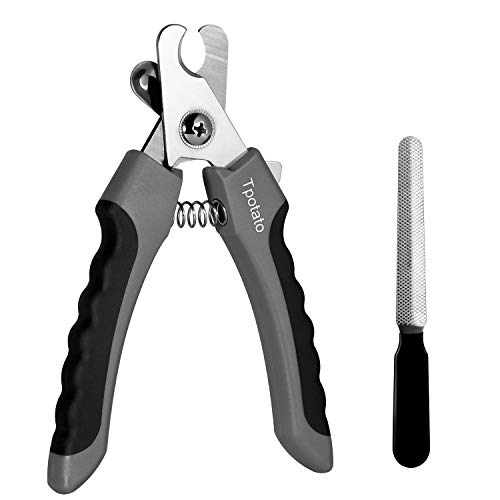
| Plier-Style Clippers | Large dogs and thick nails | Strong leverage, durable construction, larger cutting surface | Mid-Range to Premium |
| Electric Grinders | Dogs that tolerate the sound and owners wanting smooth edges | Round edges, less risk of cutting the quick, requires desensitization | Premium |
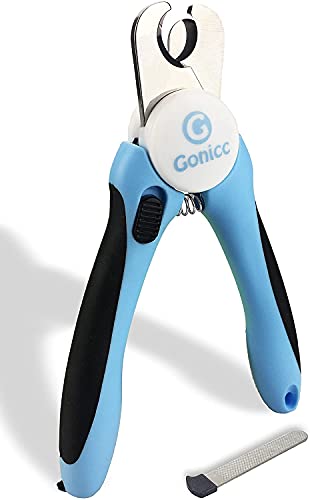
| Nail Clipper with Safety Guard | Beginners and anxious owners | Limits how much nail is removed, adds confidence | Mid-Range |
If you are also exploring other grooming tools, our guide on small dogs with bad teeth is not related, but general grooming and health care for Siberian Husky puppies and Yorkies can be found in their dedicated breed pages, which include coat and paw care advice.
Key Features to Look For
When comparing dog nail clippers, focus on build quality, cutting mechanism, and safety. The following features separate dependable tools from frustrating ones.
- Sharp, Replaceable Blades: Dull blades crush the nail instead of cutting it cleanly, causing pain and splitting. Replaceable blades extend the life of the tool.
- Non-Slip Handles: Rubberized or textured grips prevent slipping during trimming, especially with wriggly dogs.
- Safety Guard: A built-in guard prevents cutting too much nail in one pass, making it a great option for beginners.
- Ergonomic Design: A comfortable shape and spring-loaded mechanism reduce hand fatigue during longer sessions.
- Locking Mechanism: A lock keeps the blades closed for safe storage between uses.
- Durable Construction: High-grade stainless steel blades and reinforced joints hold up to repeated use over time.
Pro Tip: If your dog has thick, dark nails, plier-style clippers with a heavy-duty cutting surface tend to perform better than lightweight scissor designs. For small dogs and puppies, lighter clippers give you the control needed to trim in small increments.
How to Trim Nails Safely
Safe trimming is about patience and technique, not speed. Follow these steps to keep your dog comfortable and minimize the chance of cutting the quick.
- Prepare the workspace: Choose a quiet, well-lit area. Have styptic powder, treats, and a towel within reach before you begin.
- Get your dog comfortable: Let your dog stand or sit in a relaxed position. Handle each paw gently for a few seconds before trimming.
- Locate the quick: On light-colored nails, the quick appears as a pink area near the base. On dark nails, trim in very small increments and watch for a chalky white or gray oval at the cut surface.
- Trim small amounts: Take off only a small sliver at a time, angling the cut parallel to the ground. Stop when you see the chalky center.
- Reward and repeat: Offer treats and praise after each paw. Short, positive sessions build trust and make future trims easier.
- Finish with a file: Smooth sharp edges with a nail file or grinder to prevent scratching and snagging.
What if you cut the quick? Stay calm. Apply styptic powder or cornstarch to the cut end with light pressure. Keep your dog still and reassure them. If bleeding does not stop within a few minutes, contact your veterinarian.
How Often Should You Trim?
Most dogs need nail trimming every 3 to 4 weeks. Dogs that walk frequently on hard surfaces may wear their nails down naturally and need less frequent trims. Dogs that spend most of their time indoors on soft surfaces often need trimming every 2 weeks.
A simple rule of thumb: if you hear clicking when your dog walks across a hard floor, the nails are too long. Regular short sessions are far easier on your dog than occasional long trims. If you are managing paw health alongside other routines, our breed care guides for Welsh Corgis and Wiener Dogs cover grooming tips specific to their short legs and long backs.
Building a Positive Grooming Routine
Many dogs learn to fear nail trims because early experiences were rushed or painful. You can prevent this by introducing the clipper slowly and pairing it with positive reinforcement.
- Start with handling: Gently touch and hold each paw during calm moments, rewarding your dog for staying relaxed.
- Introduce the clipper: Let your dog sniff the clipper and reward calm curiosity before making any cuts.
- Trim one nail per session: For nervous dogs, trim a single nail and end with praise. Gradually increase to full paw sessions.
- Use high-value treats: Reserve a special treat that only appears during grooming to build positive associations.
- Stay calm: Dogs pick up on your emotions. A relaxed, confident approach helps your dog feel safe.
Owners of anxious or sensitive breeds such as the Western White Terrier or Wirehaired Fox Terrier often find that short, frequent sessions work best. If your dog is extremely fearful, ask your veterinarian or a professional groomer for guidance.
Frequently Asked Questions
Ready to Choose the Right Clipper?
Review the recommended products below to compare dog nail clippers by tier and features. If your dog is very nervous about nail trims, start slowly and reward calm behavior. With the right tool and a patient approach, nail care becomes a calm, routine part of keeping your dog comfortable and healthy.