Dog Waste Bin: The Complete Guide to Clean & Hygienic Disposal
Everything you need to know about choosing, using, and maintaining a dog waste bin — from odor control and disposal methods to the best bin styles for your yard and budget.
Dog waste is more than just an unpleasant chore — it's a genuine environmental and health concern. The average dog produces about ¾ of a pound of waste per day, which adds up to roughly 270 pounds per year. Multiply that by the millions of dogs in the world, and the scale of the problem becomes clear. A dog waste bin is the simplest, most effective tool for managing this daily reality.
But not all waste bins are created equal. The wrong bin can become a breeding ground for bacteria, attract flies and rodents, and make your yard unpleasant. The right bin, combined with proper disposal habits, keeps your outdoor space clean, controls odor, and reduces your environmental footprint. This guide walks you through everything you need to know to choose and use the best dog waste bin for your situation.
Why Every Dog Owner Needs a Waste Bin
Leaving dog waste on the ground is not just unsightly — it's a health hazard. Dog feces can carry bacteria like E. coli, Salmonella, and Campylobacter, as well as parasites like roundworms, hookworms, and giardia. These can be transmitted to humans and other pets through direct contact or contaminated soil and water.
Rainwater can wash dog waste into storm drains, which often flow directly into rivers, lakes, and streams without treatment. This introduces harmful nutrients and pathogens into waterways, contributing to algae blooms and posing risks to aquatic life and human recreation. A dedicated dog waste bag system paired with a proper bin is the first line of defense against these problems.
Beyond health and environment, a waste bin keeps your yard usable. Nobody wants to step in a surprise while playing fetch or hosting a barbecue. A well-placed bin encourages everyone in the household to pick up after the dog immediately, rather than leaving it for later — or never.
Types of Dog Waste Bins
Dog waste bins come in several designs, each suited to different needs and budgets. Understanding the options helps you choose the one that fits your household best.

Outdoor Plastic Bin
The most common and affordable option. A sturdy plastic container with a tight-fitting lid. Lightweight and easy to move, but can become brittle in extreme cold or fade in harsh sunlight. Best for single-dog households with regular emptying. Entry-level to mid-range pricing.
Entry-level & mid-range
Metal Pedal Bin
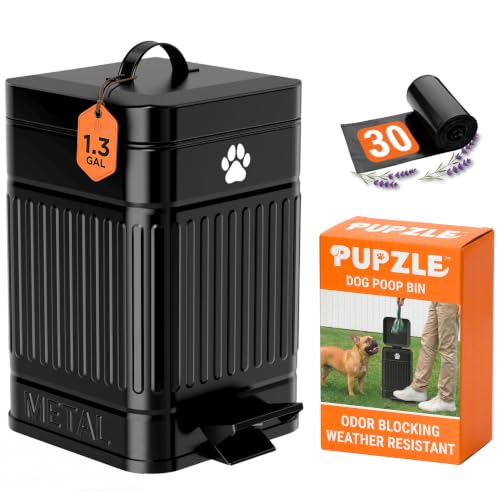
Durable powder-coated steel with a foot pedal for hands-free opening. Resists rust and UV damage better than plastic. Heavier and more expensive, but lasts for years. The pedal design keeps hands clean and reduces odor escape. Ideal for larger yards and multi-dog homes.
Mid-range to premium
In-Ground Digester
Buried in the yard with a lid at ground level. Uses enzymes and water to break down waste naturally underground. No bagging required. Eliminates the need for weekly trash disposal. Requires a suitable yard location away from gardens and water sources. Best for homeowners with space.
Mid-range
Waste Station with Dispenser
Combines a bag dispenser with a bin in one unit. Often used in dog parks and shared spaces. Keeps bags accessible right where you need them. Some models include a built-in scooper. Great for multi-dog households or community areas. Available in wall-mount and freestanding styles.
Mid-range to premium
Sealed Odor-Control Bin
Designed with rubber gaskets, carbon filters, and locking lids to trap odor. The best choice for hot climates or small yards where smell is a concern. Often more expensive but worth it for odor-sensitive households. Some models include a removable liner bucket for easy cleaning.
Premium
Simple Bucket System
A basic lidded bucket lined with a bag. The most budget-friendly option. Works well for temporary setups or single dogs. Requires frequent emptying and thorough cleaning. Not ideal for hot weather or multi-dog homes. Can be upgraded with a charcoal filter lid for better odor control.
Budget-friendlyKey Features to Look For
When comparing dog waste bins, focus on these features to ensure you get a product that actually solves your problem rather than creating new ones.
- Secure, tight-fitting lid: The single most important feature. A loose lid lets odor escape and invites flies and rodents. Look for a lid with a rubber gasket or locking mechanism.
- Durable construction: UV-resistant plastic or powder-coated metal will last far longer than thin, cheap plastic. If the bin sits in direct sun, UV resistance is essential to prevent cracking and fading.
- Easy-open design: A foot pedal or hands-free lid makes disposal quick and hygienic. You don't want to touch a dirty lid every time you pick up after your dog.
- Removable inner liner: A separate inner bucket makes emptying and cleaning much easier. You can lift out the liner, dump it, and rinse it without wrestling with the entire bin.
- Odor-control features: Carbon filters, charcoal inserts, or sealed gaskets dramatically reduce smells. These are especially valuable in warm climates or small yards.
- Appropriate size: A bin that's too small fills up in a day; one that's too large is heavy and awkward to empty. Match the size to your dog's waste output and how often you're willing to empty it.
- Stability: A bin that tips over in the wind or when bumped is frustrating and messy. Look for a weighted base or a design that sits flush against a wall or fence.
- Easy to clean: Smooth interior surfaces and rounded corners are easier to scrub than textured or angular designs. Avoid bins with deep crevices where waste can hide.
Pro Tip: If you live in a hot, humid climate, prioritize odor-control features over size. A smaller bin that you empty every two days will smell far better than a large bin that sits for a week.
Where to Place Your Bin
Placement matters more than most people realize. A poorly placed bin can make your yard unpleasant, attract pests, and create a health hazard. Here are the key considerations:
- Away from living areas: Keep the bin away from patios, decks, play areas, and windows. Even a well-sealed bin can release some odor when opened.
- Shade if possible: Direct sunlight accelerates decomposition and increases odor. A shaded spot under a tree or beside a fence keeps the bin cooler.
- Convenient access: Place the bin near the area where your dog typically does their business. The easier it is to use, the more likely you are to use it consistently.
- On a hard, level surface: Concrete, pavers, or a wooden platform prevent the bin from sinking into mud and make cleanup easier if waste spills.
- Good drainage: Avoid low spots where water pools. Standing water around the bin creates a breeding ground for mosquitoes and bacteria.
- Away from vegetable gardens: If you compost or garden, keep dog waste far from edible plants. Dog waste can contain pathogens that are harmful if ingested.
- Consider your neighbors: If you live in a close-knit neighborhood, keep the bin away from property lines to avoid complaints about odor.
Odor Control & Maintenance
Odor is the number one complaint about dog waste bins. The good news is that with the right habits and a few inexpensive additions, you can keep smells under control even in summer.
Daily Habits That Make a Difference
- Use biodegradable, thick bags: Thin bags tear and leak, coating the inside of your bin with waste. Thick, leak-proof bags contain odor and mess far better.
- Seal bags tightly: Tie each bag closed before dropping it in. An open bag releases odor immediately.
- Empty frequently: In warm weather, empty every 2-3 days. In cool weather, once a week is usually fine. Don't wait until the bin is full.
- Keep the lid closed: It sounds obvious, but leaving the lid open even briefly lets odor escape and flies enter.
Odor-Control Products That Work
- Baking soda: Sprinkle a layer in the bottom of the bin and over the waste. It's cheap, safe, and absorbs odor effectively.
- Charcoal filters: Many bins come with carbon filters or have slots for them. Replace filters every 1-2 months for best results.
- Pet-safe odor neutralizers: Look for enzymatic cleaners or odor neutralizers designed for pet waste. Avoid harsh chemicals that can harm your dog or the environment.
- Citrus peels: A few orange or lemon peels in the bin can help mask odor naturally. Replace them every few days.
- Vinegar spray: A diluted white vinegar spray neutralizes odors on the bin's interior. Spray after cleaning and let it dry.
Monthly Deep Cleaning
Once a month — or more often in hot weather — give your bin a thorough cleaning:
- Empty the bin completely and dispose of the bag in your regular trash.
- Rinse the bin with a hose to remove loose debris.
- Scrub the interior with a pet-safe disinfectant or a mixture of warm water and mild dish soap.
- Rinse thoroughly to remove all soap residue.
- Spray with a diluted white vinegar solution to neutralize lingering odors.
- Let the bin dry completely in the sun before adding a new liner or bag.
Time-Saving Tip: Keep a dedicated scrub brush and a spray bottle of diluted vinegar near your bin. A 30-second scrub once a week prevents the buildup that makes monthly deep cleaning a chore.
Disposal Methods & Environmental Impact
What you do with the waste after it leaves the bin matters for the environment. Here are the most common disposal methods and their pros and cons.
Trash Disposal
The most common method. Bagged waste goes into your regular household trash and ends up in a landfill. It's simple, convenient, and legal in most areas. The downside is that plastic bags and waste take years to decompose in landfills and contribute to methane emissions.
Flushing (Small Amounts)
Small amounts of dog waste can be flushed down the toilet, where it will be treated at a wastewater facility. This is a good option for single dogs if your local regulations allow it. Never flush cat waste or large amounts of dog waste, as it can clog pipes. Do not flush plastic bags.
Composting & Digesters
In-ground digesters and dedicated pet waste composters break down waste naturally. These systems keep waste out of landfills and return nutrients to the soil — but the resulting compost should not be used on food crops. Use it only for ornamental plants, and always handle with gloves.
Burial (With Caution)
Burying waste in a dedicated area of the yard is an option, but only if local regulations permit it and the area is far from water sources, gardens, and play areas. Bury at least 6 inches deep to prevent animals from digging it up. This method is not recommended for large quantities or in areas with high water tables.
Environmental Impact at a Glance
- Landfill: Convenient but contributes to methane and plastic waste.
- Flushing: Best for small quantities; uses water but treats waste properly.
- Digester: Low environmental impact if installed correctly.
- Composting: Recycles nutrients but requires careful management.
- Burial: Minimal impact if done responsibly and legally.
Biodegradable Bags: Do They Help?
Biodegradable bags are a better choice than conventional plastic, but they only break down in specific conditions — usually industrial composting facilities, not landfills. If your waste goes to a landfill, even "biodegradable" bags may persist for years. The best option is to use them in combination with a digester or composter where they can actually break down.
DIY vs. Commercial Options
You don't have to buy a specialized product to manage dog waste effectively. A well-designed DIY bin can work just as well as a commercial one — sometimes better, because you can customize it to your exact needs.
Simple DIY Bin
A large plastic trash can with a locking lid and a liner bag is the most basic DIY option. Add a layer of baking soda at the bottom, use a heavy-duty bag, and empty it frequently. Total cost is minimal, and it works well for one dog.
DIY Digester
Cut the bottom out of a plastic trash can, bury it in the yard with the lid at ground level, and add water and a septic-safe enzyme powder. Waste breaks down naturally underground. This is an effective, low-odor solution for homeowners with yard space.
When to Buy Commercial
Commercial bins make sense if you want a polished look, need odor-control features like carbon filters, or prefer a hands-free pedal design. They're also a better choice for multi-dog households or shared spaces where durability matters. If you have multiple dogs, a commercial bin with a large capacity and a secure lid will save you time and frustration.
Bottom Line: A DIY bin works well for budget-conscious owners with one dog. A commercial bin is worth the investment if you have multiple dogs, live in a hot climate, or want a more permanent, odor-controlled solution.
Health & Safety Considerations
Dog waste is a biohazard, and handling it requires basic precautions. These simple habits protect you, your family, and your pets.
- Always use bags or gloves: Never pick up waste with your bare hands. Even healthy dogs can carry parasites and bacteria that are harmful to humans.
- Wash your hands thoroughly: After handling waste or cleaning the bin, wash your hands with soap and warm water for at least 20 seconds.
- Keep children away from the bin: Children are more vulnerable to infections from dog waste. Place the bin out of reach and teach children not to play near it.
- Don't use dog waste as fertilizer: Unlike manure from herbivores, dog waste can contain pathogens that are dangerous for humans. Never use it on vegetable gardens.
- Watch for signs of illness: If your dog has diarrhea, blood in their stool, or seems unwell, clean up immediately and consult your veterinarian. Some parasites can be transmitted to humans.
- Control pests: A well-sealed bin keeps flies and rodents out. If you see pests around the bin, empty and clean it more often, and check for cracks or gaps in the lid.
- Dispose of waste responsibly: Never dump dog waste into storm drains, rivers, or vacant lots. It pollutes waterways and can be a health hazard for the community.
Common Mistakes to Avoid
These mistakes are easy to make but can turn a simple chore into a frustrating, smelly problem. Avoid them and your dog waste bin will be a reliable part of your routine.
- Using a bin without a lid. An open bin attracts flies, rodents, and complaints. A secure lid is non-negotiable, even if you empty the bin daily.
- Letting the bin get too full. An overflowing bin is harder to empty, smells worse, and often results in bags tearing and waste spilling. Empty before it's full.
- Skipping the bag. Putting loose waste directly into the bin makes cleaning a nightmare. Always use a bag, even if it's a simple plastic grocery bag.
- Placing the bin in direct sun. Heat accelerates decomposition and odor. Shade is your friend.
- Ignoring the smell. If your bin smells bad even when closed, something is wrong. Check for leaks, cracks, or a failing lid seal. Deep clean and consider upgrading to a bin with odor-control features.
- Using the wrong cleaning products. Harsh chemicals like bleach can harm your dog and the environment. Use pet-safe disinfectants and natural odor neutralizers.
- Not emptying before a trip. If you're going away, empty and clean the bin before you leave. A bin that sits for a week in warm weather is a disaster waiting to happen.
- Ignoring local regulations. Some municipalities have specific rules about pet waste disposal. Check your local guidelines to avoid fines and do your part for the community.
Frequently Asked Questions
Final Thoughts
A dog waste bin is one of those simple tools that makes a big difference in your daily life with a dog. It keeps your yard clean, reduces health risks, and helps you be a responsible neighbor and environmental steward. The best bin for you depends on your space, climate, and how many dogs you have. Whether you choose a simple DIY bucket, a sealed odor-control bin, or an in-ground digester, the key is consistency: pick up waste immediately, empty the bin regularly, and clean it often. Your nose, your yard, and your community will thank you.