Emotional Support Animal Letter for Apartment
Everything you need to know about getting a valid ESA letter for your apartment, understanding your housing rights under the Fair Housing Act, and living peacefully with your emotional support animal.
Finding an apartment that accepts pets is one of the biggest challenges renters face. For millions of people who rely on an emotional support animal (ESA) for their mental health, a no-pet policy can feel like an impossible barrier. The good news is that federal law protects your right to live with your emotional support animal — even in apartments with strict no-pet rules.
But there is a catch. To qualify for this protection, you need a valid emotional support animal letter for apartment from a licensed mental health professional. Without it, your landlord has no legal obligation to accommodate your animal. With it, your ESA is not considered a pet under the Fair Housing Act — it is a reasonable accommodation.
This guide walks you through everything you need to know: what an ESA letter is, how to get one, what your landlord can legally ask, and how to avoid the many online scams that sell worthless "registrations." Whether you already have an ESA or are considering getting one, this page will give you the clarity you need to secure your housing rights.
What Is an Emotional Support Animal Letter?
An emotional support animal letter is a document written by a licensed mental health professional — such as a psychiatrist, psychologist, therapist, or licensed clinical social worker — that states you have a qualifying mental health condition and that your animal provides therapeutic benefit for that condition.
This letter is not a "registration" or a "certificate." It is a prescription of sorts — a professional recommendation that your animal is part of your treatment plan. The letter must come from a provider who is treating you and who is licensed in your state.
Under the Fair Housing Act (FHA), a valid ESA letter requires landlords to make reasonable accommodations for your animal, even in buildings with no-pet policies. This protection applies to apartments, condos, dormitories, and other housing covered by the FHA.
Important Distinction: An emotional support animal is not the same as a service dog. Service dogs are trained to perform specific tasks for people with disabilities and are protected under the Americans with Disabilities Act (ADA), which grants them access to public places. ESAs are protected only under the FHA for housing purposes. They do not have public access rights.
If you are considering an ESA for your apartment, it is important to understand the difference between an emotional support animal and a therapy dog. Therapy dogs are trained to provide comfort to others in settings like hospitals and schools — they are not the same as ESAs, and they do not have the same housing protections.
Your Housing Rights Under the Fair Housing Act
The Fair Housing Act prohibits discrimination in housing based on disability. Because a mental health condition can qualify as a disability, and because an ESA can be a reasonable accommodation for that disability, landlords cannot refuse to rent to you or charge you pet fees simply because you have an ESA.
What the FHA Requires from Landlords
- Waive no-pet policies: A landlord cannot enforce a "no pets" rule against a tenant with a valid ESA letter.
- Waive pet deposits and pet fees: Landlords cannot charge pet rent, pet deposits, or non-refundable pet fees for an ESA. They can still charge for actual damage caused by the animal.
- Waive breed and weight restrictions: Breed bans and weight limits cannot be applied to ESAs. However, if the animal poses a direct threat to others, the landlord may have grounds to deny the accommodation.
- Provide reasonable accommodation: If your disability-related need is not obvious, the landlord may request documentation — your ESA letter — to verify the need.
What the FHA Does Not Require
- Landlords do not have to accept any animal: If the animal is dangerous, poses a direct threat, or would cause substantial physical damage to the property, the landlord can deny the accommodation.
- Landlords do not have to accept an ESA if it would cause undue financial hardship: For example, if the animal's presence would require structural modifications that are prohibitively expensive.
- Landlords do not have to accept an ESA if the tenant cannot provide a valid letter: If your letter lacks required information or comes from an unlicensed provider, the landlord can reject it.
Know Your Rights: The FHA applies to most housing providers, including private landlords, property management companies, and housing associations. Some exemptions exist for owner-occupied buildings with four or fewer units, but these are narrow. If you believe your rights have been violated, you can file a complaint with the U.S. Department of Housing and Urban Development (HUD).
How to Get a Valid ESA Letter for Your Apartment
Getting a legitimate ESA letter is not complicated, but it does require following the right process. Here are the steps:
- Consult a licensed mental health professional: You need to speak with a therapist, psychologist, psychiatrist, or licensed clinical social worker who is licensed in your state. This can be your current provider or a new one you find specifically for this purpose.
- Discuss your mental health condition: The provider will assess whether you have a qualifying condition — such as anxiety, depression, PTSD, or panic disorder — and whether an ESA would provide therapeutic benefit. This is a clinical evaluation, not a rubber stamp.
- Request the letter: If the provider agrees that an ESA is appropriate, ask them to write a letter that includes all required information (see the next section for details).
- Ensure the letter is properly formatted: It must be on the provider's letterhead, include their license number and state, the date, your name, and a clear statement of your need for the animal.
- Provide the letter to your landlord: Once you have the letter, give a copy to your landlord or property manager. Keep the original for your records.
Finding a Provider for Your ESA Letter
You have two main options for getting an ESA letter:
- Your existing mental health provider: If you already see a therapist or psychiatrist, they are often the best option. They know your history and can write a letter that reflects a genuine patient-provider relationship.
- A dedicated ESA letter service: There are online services that connect you with licensed providers who can evaluate you and issue a letter. These can be convenient, but you must choose carefully. Look for services that use real licensed providers in your state and that require a genuine consultation — not just a questionnaire and a payment.
If you are looking for a reliable service, our guide on emotional support animal registration with doctor letter explains how to find a legitimate provider and what to avoid.
What Landlords Can and Cannot Ask
Many renters are unsure about what their landlord is legally allowed to ask regarding their ESA. Understanding the boundaries helps you respond confidently and protects your privacy.
What Landlords Can Ask
- For documentation of your disability: If your disability is not obvious, the landlord can request a letter from a licensed mental health professional verifying that you have a disability and that the animal is a reasonable accommodation.
- For information about the animal: The landlord can ask about the type of animal, its breed, its weight, and whether it is vaccinated. They may also ask for a photo for identification purposes.
- To meet the animal: In some cases, the landlord may request to meet the animal to assess whether it poses a direct threat or would cause property damage.
What Landlords Cannot Ask
- They cannot ask for your medical records: The landlord is not entitled to see your full medical history, diagnosis, or treatment records. The ESA letter is sufficient.
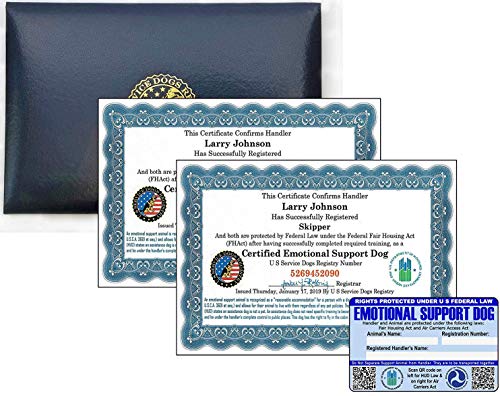
- They cannot ask for a "registration" or "certificate": There is no official ESA registry. If a landlord demands a registration, they are mistaken about the law. You only need the letter.
- They cannot charge pet fees or pet rent: An ESA is not a pet. The landlord cannot charge a pet deposit, pet rent, or any other pet-related fee.
- They cannot enforce breed or weight restrictions: These rules do not apply to ESAs. However, if the specific animal is dangerous, the landlord may have grounds to deny it.
- They cannot deny your accommodation based on stereotypes: A landlord cannot reject your ESA simply because they dislike certain breeds or believe ESAs are not real.
What If Your Landlord Refuses? If your landlord refuses to accept your valid ESA letter, you have options. First, provide them with a copy of the letter and explain your rights under the FHA. If they still refuse, you can file a complaint with HUD. Many tenants find that landlords back down once they understand the legal requirements.
What a Valid ESA Letter Must Contain
Not all ESA letters are created equal. A letter that is missing key information can be rejected by your landlord, leaving you without housing protection. Here is what a valid ESA letter must include:
| Element | Why It Matters |
|---|---|
| Provider's letterhead and contact information | Verifies the letter is from a real professional with a legitimate practice. |
| Provider's license number and state | Confirms the provider is licensed to practice in your state. |
| Date of the letter | Shows the letter is current. Most landlords accept letters up to one year old. |
| Tenant's full name | Connects the letter to you as the person requesting accommodation. |
| Statement of qualifying mental health condition | Establishes that you have a disability recognized under the FHA. |
| Statement that the ESA provides therapeutic benefit | Explains why the animal is necessary for your treatment. |
| Statement that the provider is treating you | Confirms an ongoing patient-provider relationship, not a one-time transaction. |
| Provider's signature | Makes the letter official and verifiable. |
If your letter is missing any of these elements, your landlord may have grounds to reject it. Always review your letter carefully before submitting it. If you need help understanding the difference between valid documentation and worthless certificates, our guide on emotional support animal paperwork for doctor explains what to look for.
Red Flags: Fake ESA Letters and Scams
The emotional support animal industry is unfortunately full of scams. Many websites sell "ESA registrations," "certificates," and "letters" that have no legal standing. If you submit a fake letter to your landlord, you could face eviction, legal consequences, or both.
Here are the most common red flags to watch out for:
- "Instant" letters without a consultation: If a website lets you buy an ESA letter without ever speaking to a licensed mental health professional, it is not valid. A legitimate provider must evaluate you.
- ESA "registration" databases: There is no official ESA registry. Any website that claims to "register" your ESA is selling you a worthless piece of paper.
- Letters from providers not licensed in your state: Your letter must come from a provider licensed in the state where you live. If the provider is licensed elsewhere, the letter may not be valid.
- No license number on the letter: A legitimate letter always includes the provider's license number and state. If it is missing, the letter is suspect.
- Pressure to buy additional products: Some services try to upsell you on "ESA vests," "ID cards," and "certificates." None of these items have any legal value. You only need the letter.
- Prices that seem too good to be true: While we avoid discussing specific prices on this page, be wary of services that charge very little for an "ESA letter" without a real consultation. Legitimate services require a real evaluation, which takes time and expertise.
Protect Yourself: Before paying for any ESA letter service, verify that the provider is licensed in your state. You can usually check this through your state's licensing board website. If the service does not provide a license number upfront, walk away.
For a deeper look at legitimate registration options, see our guide on emotional support animal registration of America and emotional support animal registration for housing.
Moving to a New Apartment with an ESA
If you are planning to move, it is important to handle your ESA letter properly to ensure a smooth transition. Here is a step-by-step approach:
- Get your letter before you apply: Have a valid, current ESA letter in hand before you start apartment hunting. This allows you to disclose your ESA upfront and avoid surprises later.
- Disclose your ESA during the application process: It is generally best to be upfront about your ESA. You do not need to disclose your specific diagnosis, but you should let the landlord know you have an ESA and will provide documentation.
- Provide a copy of your letter: Once your application is accepted, provide a copy of your ESA letter to the landlord or property manager. Keep the original for your records.
- Know what you can be charged: You cannot be charged pet rent or a pet deposit. However, you are still responsible for any damage your ESA causes. Some landlords may ask for a standard security deposit, which is separate from a pet deposit.
- Be prepared to educate: Some landlords — especially smaller ones — may not be familiar with the FHA requirements for ESAs. Be patient and provide them with information about your rights. A calm, informative approach often resolves misunderstandings.
If you are moving to a new state, you may need a new ESA letter from a provider licensed in that state. Our guide on emotional support animal registration Virginia is an example of how state-specific requirements can vary.
Renewing Your ESA Letter
Most ESA letters are valid for one year. After that, your landlord may request a renewal letter. Even if your landlord does not ask, it is a good idea to renew annually to ensure you are always covered.
To renew your letter, you will typically need to check in with your mental health provider again. This does not necessarily mean a full evaluation — often a brief consultation to confirm that your condition and need for the ESA are ongoing is sufficient. Some online services offer renewal reminders and make the process straightforward.
If you move to a new apartment during the year, your existing letter should still be valid as long as it has not expired. However, if you move to a new state, you may need a letter from a provider licensed in that state.
Keep Records: Always keep a copy of your current ESA letter and any renewal letters. If your landlord ever questions your accommodation, you will have the documentation ready. It is also helpful to keep a record of when you submitted the letter to your landlord.
For more information on the full process, including how to find a qualified provider, see our guide on emotional support animal recommendation letter.
Frequently Asked Questions
Bottom Line: A valid emotional support animal letter is your key to living with your ESA in an apartment, even one with a no-pet policy. Get your letter from a licensed mental health professional, ensure it contains all required information, and know your rights under the Fair Housing Act. With the right documentation, you can secure the housing accommodation you need and focus on what matters most — your mental health and the companionship of your animal.