The Complete Greyhound Dog Breed Guide
Discover everything about the elegant and affectionate Greyhound — from their gentle nature and exercise needs to health care, nutrition, and adoption tips. Your ultimate resource for the world's fastest couch potato.
The Greyhound is one of the oldest and most recognizable dog breeds in the world. Known for their incredible speed and graceful build, these dogs have a long history that dates back thousands of years to ancient Egypt. Today, Greyhounds are beloved family companions who have earned the nickname "45 mph couch potatoes" because of their remarkable ability to sprint at high speeds and then spend the rest of the day lounging peacefully.
If you're considering adding a Greyhound to your family, this comprehensive guide covers everything you need to know — from their unique temperament and behavior to their specific health care needs and training requirements. Whether you're interested in adopting a retired racer or purchasing a puppy from a reputable breeder, understanding this breed's characteristics is essential for providing the best possible care.
Greyhound Breed Overview
Key Characteristics
- Height: 27–30 inches (male), 26–28 inches (female)
- Weight: 65–85 pounds (male), 55–75 pounds (female)
- Coat: Short, smooth, and fine — available in a wide variety of colors including fawn, brindle, black, white, and blue.
- Lifespan: 10–14 years (with proper care and nutrition)
- AKC Group: Hound Group
- Origin: Ancient Egypt / United Kingdom (modern breed development)
Why Greyhounds Are Special
Greyhounds are unique among dog breeds in several ways. Their physiology is built for speed — a Greyhound can accelerate from 0 to 45 mph in just a few strides, thanks to their deep chest, flexible spine, and powerful hindquarters. But despite their athletic build, they are remarkably low-maintenance indoors. They are quiet, clean, and typically do not have a "doggy odor." Their short coats shed minimally, making them a manageable choice for many households.
Perhaps most importantly, Greyhounds are known for their gentle and affectionate nature. They form deep bonds with their families and are often described as "velcro dogs" who want to be near their people. Their calm disposition makes them suitable for apartment living as long as their exercise needs are met.
Temperament & Personality
Greyhounds have a reputation for being gentle, sensitive, and affectionate. They are not aggressive dogs and are known for their excellent temperament with children, other dogs, and even cats — though proper socialization is important. Their calm nature makes them a great choice for first-time dog owners who are prepared for their specific needs.
Good to Know: Greyhounds are sensitive to punishment and harsh corrections. They respond best to positive reinforcement training methods. Their gentle nature means they can be easily stressed by conflict, so a calm and patient approach is essential.
Some key traits of the Greyhound personality include:
- Affectionate: Greyhounds love to cuddle and often seek physical contact with their owners. They are loyal and enjoy being part of family activities.
- Quiet: Unlike many hounds, Greyhounds are not known for barking excessively. They may vocalize when excited or anxious, but they are generally one of the quieter breeds.
- Independent: While they love their people, Greyhounds can be independent thinkers. This trait makes training interesting — they often choose to obey rather than obey out of subservience.
- Gentle: Their calm and gentle demeanor makes them wonderful companions for families, even those with young children who are taught how to interact respectfully with dogs.
- Prey Drive: They have a strong instinct to chase small animals that run. This means they should always be leashed or in a securely fenced area outdoors, especially around squirrels, rabbits, or small dogs.
Exercise & Activity Needs
Despite their reputation as racing dogs, Greyhounds do not require marathon exercise sessions. They are built for short, intense bursts of speed rather than prolonged endurance. A well-exercised Greyhound is a calm and happy Greyhound — but an under-exercised one may become restless or develop destructive behaviors.
Daily Exercise Requirements
- Daily walks: 20–30 minutes twice daily — this provides mental stimulation and bathroom breaks.
- Sprint sessions: 2–3 times per week, allow your Greyhound to run at full speed in a safe, enclosed area for 10–15 minutes.
- Playtime: Interactive games like fetch or tug-of-war can provide both physical and mental exercise.
- Mental stimulation: Puzzle toys and training sessions are excellent for tiring out a Greyhound's mind.
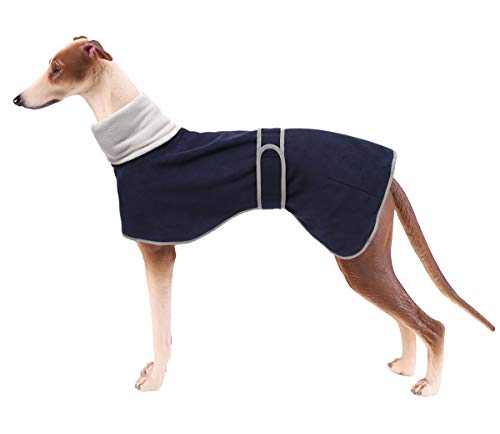
Important Safety Note: Greyhounds have thin skin and low body fat, making them sensitive to extreme temperatures. In cold weather, they need a coat or sweater during walks. In hot weather, exercise should be limited to early morning or evening to prevent overheating. Always provide fresh water before and after exercise.
Because Greyhounds have a high prey drive, they should never be allowed off-leash in an unfenced area. A secure, 6-foot fence is recommended — they can easily clear shorter fences if they spot something to chase. Some owners use a harness for walks instead of a collar to avoid putting pressure on their sensitive necks during sudden movements.
Nutrition & Feeding
Feeding a Greyhound requires careful attention to their unique physiology. They have a deep chest, which makes them prone to bloat (gastric torsion) — a life-threatening condition that requires urgent veterinary care. Proper feeding practices can significantly reduce this risk.
Feeding Guidelines
- Meals per day: 2 meals (morning and evening) — splitting their daily ration into two meals helps prevent bloat.
- Daily amount: 2–4 cups of high-quality dry food, depending on age, weight, and activity level.
- Rest before/after meals: Allow at least 1 hour of rest before and 1–2 hours after meals before exercise to reduce bloat risk.
- Slow feeding: Use a slow-feeder bowl or spread food on a flat surface to discourage gulping.
Recommended Diet: Choose a high-quality dry dog food with animal protein as the first ingredient (chicken, lamb, or fish). Look for foods that meet AAFCO nutritional standards. Some Greyhounds may benefit from supplements like glucosamine for joint health, especially as they age.
Greyhounds are prone to dental issues, so incorporating dental chews or regular dental care into their routine is recommended. Fresh, clean water should always be available. Avoid feeding table scraps, especially foods toxic to dogs like chocolate, grapes, and onions.
Health Concerns & Care
Greyhounds are generally a healthy breed, but they have some specific health conditions that prospective owners should be aware of. Regular veterinary checkups are essential for early detection and treatment.
Bloat (Gastric Dilation-Volvulus)
This is the most serious health risk for Greyhounds. Symptoms include a swollen abdomen, restlessness, pacing, unproductive vomiting, and signs of shock. This is a medical emergency — seek immediate veterinary care.
Osteosarcoma (Bone Cancer)
Greyhounds have a higher incidence of bone cancer than many other breeds. Early signs include lameness, swelling, and pain. Regular checkups and x-rays can help with early detection.
Hypothyroidism
An underactive thyroid is common in Greyhounds. Symptoms include weight gain, lethargy, hair loss, and skin problems. This condition is manageable with daily medication.
Dental Disease
Greyhounds are prone to dental issues, including periodontitis and tooth loss. Regular brushing and veterinary cleanings are recommended to maintain oral health.
Unique Physiology Note: Greyhounds have different normal blood values than other breeds. Their red blood cell counts, platelet counts, and white blood cell counts are often lower than "normal" ranges for other dogs. If your vet is unfamiliar with Greyhounds, ensure they use breed-specific reference ranges to avoid misdiagnosis. Consider supplementation like omega fatty acids to support coat and skin health.
Grooming & Maintenance
Greyhounds are among the easiest breeds to groom. Their short, smooth coats require minimal maintenance, but regular care helps keep them healthy and comfortable.
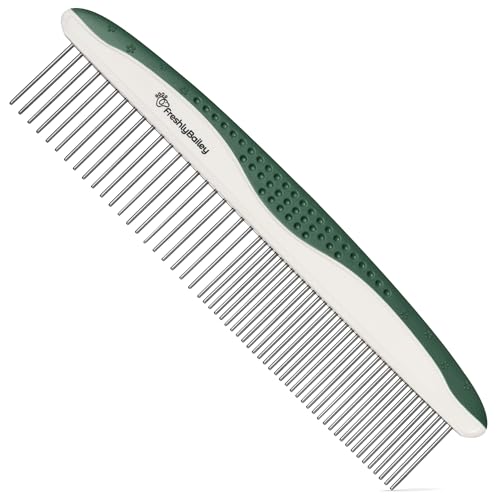
- Coat Care: Brush weekly with a soft-bristle brush or grooming glove to remove loose hair and distribute skin oils. They shed moderately year-round.
- Bathing: Bathe every 2–3 months or as needed using a dog-specific shampoo to maintain skin health.
- Nail Trimming: Trim nails every 2–3 weeks. Their nails tend to grow quickly and can be uncomfortable if overgrown. Use a nail clipper or grinder.
- Ear Cleaning: Check and clean ears weekly with a vet-approved ear cleaner to prevent infections.
- Dental Care: Brush teeth at least 2–3 times per week using dog toothpaste. Regular dental care prevents serious health issues.
Training Your Greyhound
Training a Greyhound can be a rewarding experience, but it requires patience and understanding of their independent nature. They are smart dogs who learn quickly, but they are also sensitive and can be stubborn at times.
Training Tips
- Positive reinforcement: Use treats, praise, and play as rewards. Greyhounds respond poorly to harsh methods.
- Keep sessions short: 5–10 minutes of focused training, multiple times a day, is more effective than long sessions.
- Leash training: Teaching loose-leash walking is essential, especially on a leash to handle their sudden bursts of speed.
- Recall (Come): Practice in secure areas only. Their prey drive means they may not return if they spot a small animal.
- Stay & Wait: These commands are valuable, especially at doorways and meal times to prevent bolting.
Training Resources: Many retired racing Greyhounds are already house-trained and have some basic manners. However, they may not know commands like "sit" or "stay" — but they are quick to learn with positive methods. If you're adopting a Greyhound, consider hiring a trainer who specializes in sighthounds for the best results.
Adoption & Costs
Adopting a Greyhound is a wonderful option. Thousands of retired racing Greyhounds need loving homes each year. Adoption is generally more affordable than purchasing a puppy and often includes health benefits and support from adoption agencies.
Adoption Costs
- Adoption fee: $250–$500 (includes spay/neuter, vaccinations, microchip, and basic health check)
- Supplies: $200–$400 (crate, bed, bowls, leash, collar, food, toys)
- Initial vet visit: $100–$300 (exam, additional tests, heartworm prevention)
- Monthly food: $40–$70 (high-quality food appropriate for a large breed)
Puppy Costs (Breeder)
- Purchase price: $1,500–$3,000 (champion lines may cost more)
- Health testing: $500–$1,000 (hips, eyes, genetic tests)
- Ongoing care: Similar to adoption, plus early socialization and training expenses
Adoption Tip: If you're interested in adopting, check with local Greyhound adoption groups or organizations like the Greyhound Adoption Program. Many groups provide support and education to help new owners transition their retired racers into home life. Some Greyhounds may need special care initially, as they've never lived in a home environment.
Frequently Asked Questions About Greyhounds
Ready to welcome a Greyhound into your life?
Whether you adopt a retired racer or purchase a puppy, you're adding a loyal, affectionate, and graceful companion to your family. Greyhounds are not just dogs — they are elegant athletes with hearts of gold. With proper care, nutrition, and love, you'll have a friend for life. Explore our recommended products to find high-quality gear for your new Greyhound, from crates and beds to harnesses and grooming tools.