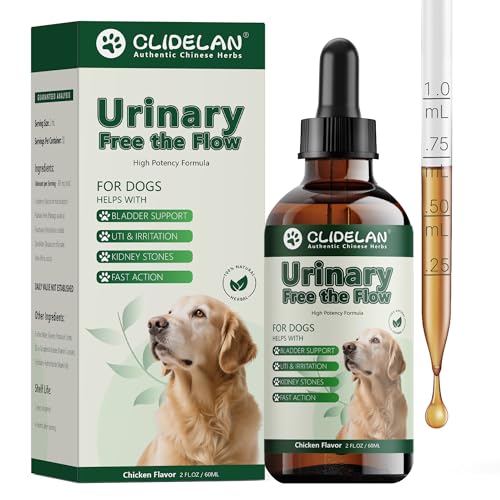
Homemade Dog Food for Struvite Bladder Stones
A practical, vet-informed guide to preparing a homemade diet that supports urinary health, helps manage struvite stones, and keeps your dog comfortable while recovering.
If your dog has been diagnosed with struvite bladder stones, you have likely left the vet's office with a prescription diet recommendation and a long list of questions. Prescription urinary diets are effective, but many owners want more control over what goes into their dog's bowl — especially when ingredients, cost, or a picky eater make commercial options difficult.
A homemade diet for struvite management is possible, but it is not as simple as swapping kibble for boiled chicken and rice. Struvite stones form when urine becomes alkaline and concentrated, usually because of a bacterial infection [citation:2]. The right homemade food can help create an environment that discourages crystal formation, but only when it is formulated carefully and used alongside proper medical treatment.
This guide explains what a homemade struvite diet needs to accomplish, which ingredients to prioritize, and where the risks lie. If you are also managing other urinary issues, our guide on homemade dog food for dogs with bladder stones covers broader stone types, while this page focuses specifically on struvite.
Understanding Struvite Stones in Dogs
Struvite stones — also called magnesium ammonium phosphate stones — are one of the most common bladder stones in dogs, particularly in young to middle-aged females of small breeds [citation:2][citation:11]. The mechanism is well understood: urease-producing bacteria in the bladder break down urea into ammonia, which raises urine pH and allows struvite crystals to precipitate and clump together into stones [citation:2][citation:15].
This bacterial link is why antibiotics are non-negotiable. A homemade diet that acidifies urine or restricts minerals will not dissolve stones if the underlying infection is still active. In fact, feeding a stone-prevention diet without treating the infection can allow stones to persist or recur.
Symptoms to watch for include frequent urination, straining, blood in the urine, and accidents in the house [citation:2]. If your dog is straining without producing urine, that is a potential obstruction and a medical emergency — seek immediate veterinary care.
What a Homemade Struvite Diet Must Accomplish
Veterinary dissolution diets for struvite work by targeting several urinary parameters simultaneously. A homemade recipe needs to replicate these effects as closely as possible [citation:2][citation:9]:
- Increase urine volume: Dilute urine reduces the concentration of stone-forming minerals. This is achieved through high moisture content and, in some veterinary diets, slightly increased sodium to stimulate thirst [citation:1][citation:18].
- Promote a mildly acidic urine pH: Struvite crystals are less soluble in alkaline urine. The target pH for dissolution is typically around 6.0–6.5, though your vet should monitor this directly [citation:9].
- Restrict magnesium and phosphorus: These are the mineral building blocks of struvite. Veterinary diets reduce both significantly [citation:2][citation:9].
- Moderate protein: Protein is not the enemy, but excessive protein increases urea, which urease-producing bacteria convert to ammonia. Dissolution diets typically reduce protein to around 10–15 percent dry matter [citation:1][citation:2].
Target Nutrient Ranges (Dissolution Phase)
| Nutrient | General Target | Why It Matters |
|---|---|---|
| Protein | 10–15% dry matter | Reduces urea substrate for bacteria; eases kidney workload [citation:1] |
| Magnesium | Restricted | Core component of struvite crystals [citation:2] |
| Phosphorus | Restricted | Core component of struvite crystals [citation:2] |
| Moisture | High (70%+) | Dilutes urine and promotes frequent flushing [citation:18] |
| Urine pH | ~6.0–6.5 | Creates an environment less favorable to struvite [citation:9] |
Ingredients to Prioritize and Avoid
The ingredient list for a struvite-friendly homemade diet is built around lean protein, digestible carbohydrates, and urinary-supportive additions. Here is how to think about each category.
✅ Lean Proteins (Moderate Amounts)
Skinless chicken breast, turkey, white fish, and eggs are digestible and lower in phosphorus than organ meats or red meat. Keep portions controlled to hit the protein target your vet sets.
✅ Digestible Carbohydrates
White rice, sweet potato, and plain pasta provide energy without excessive minerals. These are staples in many homemade urinary recipes because they are low in magnesium and phosphorus.
✅ Cranberries (Small Amounts)
Cranberries contain compounds that may help prevent bacteria from adhering to the bladder wall, supporting infection prevention [citation:1]. Use plain, unsweetened cranberries — never cranberry sauce or juice with added sugar.
✅ Extra Water or Low-Sodium Broth
Adding warm water or salt-free bone broth creates a soupy texture that increases moisture intake. This is one of the simplest and most effective ways to dilute urine [citation:18].
❌ High-Magnesium Foods
Spinach, broccoli, whole grains, and seafood are rich in magnesium. Avoid these during the dissolution phase unless your nutritionist includes them in calculated amounts [citation:1].
❌ Organ Meats and Processed Meats
Liver, kidney, and processed deli meats are high in phosphorus and can introduce excess sodium and preservatives. Avoid them during active stone treatment.
❌ High-Sodium Foods
While slight sodium increase can boost thirst, too much salt is dangerous, especially for dogs with heart or kidney disease. Never add table salt to homemade food without explicit veterinary direction [citation:1].
❌ Human Table Food and Treats
Table scraps disrupt the nutrient balance of a therapeutic diet and can introduce excess minerals, fat, and calories. During dissolution, stick strictly to the prescribed recipe and approved treats.
A Sample Framework (Not a Complete Recipe)
The following framework illustrates the structure of a homemade struvite diet. It is not a complete and balanced recipe and should not be fed without modification by a veterinary nutritionist. Use it to understand the proportions and preparation method, then work with a professional to tailor it to your dog.
Illustrative Base Formula for a 20-lb Dog (Dissolution Phase)
- Protein (cooked, lean): 2–3 oz skinless chicken breast or white fish, diced
- Carbohydrate (cooked): 1/2 to 3/4 cup white rice or plain sweet potato, mashed
- Urinary support: 1 teaspoon plain, unsweetened cranberry powder or crushed fresh cranberries
- Moisture: 1/2 to 1 cup warm water or salt-free broth, mixed in to create a soupy consistency
- Nutritional supplement: A veterinary-formulated balancer designed for homemade diets, dosed per the manufacturer's instructions for your dog's weight (essential to prevent deficiencies)
Preparation: Boil or bake the protein without oil or seasoning. Cook the carbohydrate until soft. Combine all ingredients, add the supplement, and mix thoroughly with enough liquid to make the food moist but not runny. Serve at room temperature. Refrigerate leftovers for up to 3 days or freeze in portions.
The supplement is not optional. A homemade diet of chicken, rice, and cranberries is deficient in calcium, essential fatty acids, vitamins, and trace minerals. Feeding it long-term without a balancer will cause harm. If you are exploring homemade food for other sensitive conditions, our homemade dog food for senior dogs with sensitive stomachs guide discusses similar formulation principles.
Hydration: The Most Underrated Factor
Even the most perfectly formulated homemade diet will fail if your dog's urine remains concentrated. The goal is to keep urine specific gravity below 1.020 [citation:18]. A homemade diet already contains far more moisture than kibble, but you can push hydration further:
- Add warm water to every meal until the food has a thick soup consistency.
- Offer fresh water in multiple bowls throughout the house.
- Consider a pet water fountain if your dog prefers running water.
- Add a splash of salt-free bone broth to drinking water for flavor (confirm with your vet first).
- Take your dog out for frequent bathroom breaks to flush the bladder — at least every 4–6 hours during waking hours.
Your veterinarian can measure urine specific gravity quickly and inexpensively from a urine sample. Monitoring this number is one of the most useful ways to track whether your homemade diet and hydration strategy are working.
Risks and Limitations of Homemade Diets
Homemade feeding for a medical condition carries real risks that commercial therapeutic diets are designed to minimize. Be honest with yourself about these limitations before committing:
- Nutrient deficiencies are common. Studies repeatedly show that most owner-formulated homemade dog recipes are deficient in at least one essential nutrient, often calcium, zinc, or vitamins D and E. A veterinary nutritionist or a reputable recipe service that provides a complete nutrient profile is essential.
- Acidification can overshoot. If urine becomes too acidic, you risk promoting calcium oxalate stones instead of struvite — a serious unintended consequence, especially in breeds prone to oxalate stones [citation:9]. Urine pH must be monitored.
- Dissolution takes time and monitoring. Veterinary dissolution diets typically dissolve struvite stones in 8–12 weeks, with recheck X-rays every 4 weeks [citation:2]. A homemade diet may work more slowly or unpredictably. Your vet needs to track stone size.
- Infection control is separate. No diet can eliminate a urinary tract infection. Antibiotics and follow-up urine cultures are the foundation of struvite treatment [citation:2][citation:8].
Transitioning and Monitoring
Once you have a vet-approved recipe, transition gradually over 5–7 days by mixing increasing amounts of homemade food with decreasing amounts of the old food. A sudden switch can cause gastrointestinal upset, which is especially unwelcome during stone treatment.
During the dissolution phase, expect your veterinarian to:
- Recheck urine pH and specific gravity regularly
- Perform urine cultures to confirm the infection has cleared
- Take abdominal X-rays every 4 weeks to track stone size [citation:2]
- Adjust the recipe or add medications if stones are not shrinking
Once stones have dissolved, the focus shifts to prevention. Some dogs can transition to a less restrictive maintenance diet, while others need lifelong urinary support. Dogs with a history of struvite stones are at risk of recurrence, especially if urinary tract infections return [citation:2].
Frequently Asked Questions
Bottom line: A homemade diet for struvite bladder stones can work, but only as part of a comprehensive veterinary treatment plan. Antibiotics address the infection, a carefully formulated recipe reduces the mineral building blocks of stones, and aggressive hydration keeps urine dilute. Skipping any of these pieces leaves the door open for stones to persist or return. If you are managing other dietary sensitivities alongside urinary issues, browse our dog food toppers and dog bowls selections to make mealtime easier — but keep the core recipe strict during treatment.