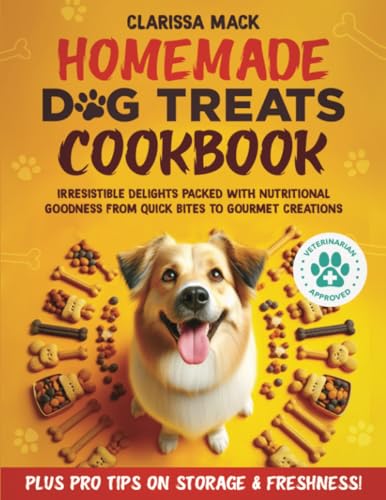
Homemade Grain Free Dog Treats: Vet Approved Recipes
Simple, healthy, and delicious grain free treat recipes your dog will love — formulated with vet-approved ingredients for sensitive stomachs, allergies, and everyday rewards.
Making your own dog treats at home gives you complete control over what goes into your dog's body. For dogs with grain allergies, sensitive stomachs, or specific dietary needs, homemade grain free treats are often the safest and most economical option. But not every recipe you find online is actually safe — some contain ingredients that can cause digestive upset or worse.
This guide cuts through the noise. Every recipe below uses simple, accessible ingredients and follows the same principles veterinary nutritionists recommend for homemade treats: limited ingredients, no toxic foods, and balanced proportions. Whether you are new to homemade dog training treats or already comfortable in the kitchen, these recipes are designed to be foolproof.
Important Note: Treats should never exceed 10% of your dog's daily calorie intake. These recipes are intended as supplements to a complete and balanced diet, not meal replacements. Always consult your veterinarian before making dietary changes, especially if your dog has underlying health conditions.
Why Choose Grain Free Treats?
Grain free diets have exploded in popularity, but they are not automatically better for every dog. Understanding when grain free makes sense — and when it doesn't — helps you make an informed decision for your pet.
When Grain Free Is Beneficial
- Confirmed grain allergies: True grain allergies in dogs are relatively uncommon, but they do exist. Signs include chronic itching, ear infections, and digestive upset after eating wheat, corn, or soy.
- Sensitive stomachs: Some dogs digest alternative flours like coconut or chickpea more easily than wheat-based treats. If your dog has a sensitive stomach, grain free treats may reduce gas and loose stools.
- Food elimination trials: Veterinarians often recommend grain free treats during elimination diets to identify specific allergens.
- Owner preference: Some owners prefer feeding a diet closer to what dogs evolved eating. While the science is mixed, there is no harm in grain free treats when formulated correctly.
When Grain Free May Not Be Necessary
- No confirmed allergy: If your dog has no reaction to grains, there is no proven benefit to eliminating them. Quality grains like oats and brown rice provide fiber and nutrients.
- FDA investigation concerns: The FDA has investigated a potential link between grain free diets and dilated cardiomyopathy (DCM) in some dogs, particularly those high in legumes and potatoes. This remains an active area of research.
- Cost and convenience: Grain free flours are often more expensive and harder to find than regular flour. If your dog does not need them, regular whole wheat or oat flour works fine.
Vet-Approved Tip: The best diet for your dog is the one that meets their individual needs. If you suspect a grain allergy, ask your vet about a proper elimination trial rather than switching to grain free based on marketing claims. For dogs with confirmed sensitivities, our guide on homemade dog food for skin allergies covers broader dietary strategies.
Key Ingredients & Substitutions
Understanding what each ingredient does — and what you can swap it for — lets you adapt any recipe to what you have on hand or what your dog tolerates best.
Grain Free Flours
| Flour Type | Texture | Best For | Substitution Notes |
|---|---|---|---|
| Coconut Flour | Dense, absorbs moisture | Crunchy baked treats | Use less than other flours; add extra egg or liquid |
| Almond Flour | Soft, slightly nutty | Soft chewy treats | Swap 1:1 with other nut flours; avoid for nut allergies |
| Chickpea Flour | Firm, protein-rich | Savory treats, training bites | Works well in baked and no-bake recipes |
| Buckwheat Flour | Hearty, earthy | Hearty biscuits | Despite the name, buckwheat is gluten free and grain free |
| Tapioca Starch | Sticky, binding | Chewy treats | Use as a binder, not a primary flour |
Binders & Moisture
- Eggs: The most common binder in homemade dog treats. Provide protein and help treats hold their shape. One large egg can usually replace 1/4 cup of liquid in a recipe.
- Plain Greek Yogurt: Adds moisture and probiotics. Use unsweetened, plain yogurt with no xylitol. Great for dogs who tolerate dairy.
- Pumpkin Puree: Adds moisture and fiber. Use 100% pure pumpkin, not pumpkin pie filling (which contains sugar and spices). Excellent for digestive health.
- Unsweetened Applesauce: Natural sweetness and moisture. Choose varieties with no added sugar or artificial sweeteners.
- Mashed Banana: Binder and natural sweetener. High in potassium and fiber. Use ripe bananas for maximum sweetness.
Safe Add-Ins for Flavor & Nutrition
- Peanut Butter: A dog favorite. Must be natural, unsalted, and xylitol-free. Check the label every time — formulations change.
- Grated Carrot: Adds crunch, fiber, and beta-carotene. Especially good for dental health.
- Grated Apple: Sweetness and fiber. Remove seeds and core — apple seeds contain trace amounts of cyanide.
- Blueberries: Antioxidant-rich superfood. Fresh or frozen both work. Mash or chop for smaller dogs.
- Flaxseed Meal: Omega-3 fatty acids for skin and coat health. Ground flaxseed is more digestible than whole seeds.
- Chia Seeds: Fiber and omega-3s. Soak in liquid before adding to recipes to prevent digestive issues.
- Cinnamon: A small amount adds flavor and may help with inflammation. Never use nutmeg, which is toxic to dogs.
⚠️ Ingredients to Avoid
Never use these in homemade dog treats:
• Xylitol — an artificial sweetener found in some peanut butters, gum, and baked goods. Extremely toxic to dogs and can be fatal.
• Chocolate — contains theobromine, which is toxic to dogs. Even small amounts can cause vomiting, seizures, and death.
• Grapes and Raisins — cause kidney failure in dogs. The toxic mechanism is not fully understood, so avoid entirely.
• Onions and Garlic — damage red blood cells and cause anemia. Even small amounts in treats can be problematic over time.
• Macadamia Nuts — cause weakness, tremors, and hyperthermia.
• Nutmeg — contains myristicin, which is toxic to dogs in large amounts.
• Salt and Sugar — excessive amounts cause health problems. Use minimal amounts and prefer natural sweetness from fruit.
5 Vet Approved Recipes
Each recipe below uses simple ingredients and straightforward methods. All are grain free and have been reviewed against veterinary safety guidelines. Choose based on your dog's preferences and any dietary restrictions.
1. Peanut Butter Pumpkin Bites
Ingredients
- 1 cup coconut flour
- 1/2 cup 100% pure pumpkin puree
- 1/4 cup natural peanut butter (xylitol-free)
- 2 large eggs
- 1/2 teaspoon ground cinnamon
Instructions
- Preheat oven to 350°F (175°C). Line a baking sheet with parchment paper.
- Mix all ingredients in a bowl until a dough forms. If too dry, add water 1 tablespoon at a time.
- Roll dough into small balls (about 1 inch) and place on baking sheet. Flatten slightly with a fork.
- Bake for 15-18 minutes until firm and lightly golden.
- Cool completely before serving.
2. Sweet Potato & Chicken Chews
Ingredients
- 1 cup mashed sweet potato (baked and cooled)
- 1 cup cooked chicken breast, finely shredded
- 1/2 cup chickpea flour
- 1 large egg
- 1 tablespoon flaxseed meal
Instructions
- Preheat oven to 325°F (165°C). Line a baking sheet with parchment paper.
- Combine all ingredients in a large bowl and mix thoroughly.
- Shape mixture into small oblong chews or press into a silicone mold.
- Bake for 30-35 minutes until firm and dry to the touch.
- Cool completely and store in the refrigerator.
3. Apple Cinnamon Crunch Bites
Ingredients
- 1 cup almond flour
- 1/2 cup grated apple (peeled, seeds removed)
- 1/4 cup unsweetened applesauce
- 1 large egg
- 1/2 teaspoon ground cinnamon
- 1/4 cup rolled oats (certified gluten-free if needed)
Instructions
- Preheat oven to 350°F (175°C). Grease a mini muffin tin or line with paper liners.
- Mix almond flour, grated apple, applesauce, egg, and cinnamon until well combined.
- Spoon mixture into mini muffin cups, filling about 3/4 full.
- Sprinkle rolled oats on top.
- Bake for 18-20 minutes until set and lightly browned.
- Cool completely before serving. Store in an airtight container.
4. No-Bake Coconut & Banana Bites
Ingredients
- 1 ripe banana, mashed
- 1 cup shredded coconut (unsweetened)
- 2 tablespoons coconut flour
- 1 tablespoon coconut oil (melted)
- 1/4 teaspoon vanilla extract (optional)
Instructions
- Mash banana in a medium bowl until smooth.
- Add shredded coconut, coconut flour, melted coconut oil, and vanilla. Mix well.
- Roll mixture into small bite-sized balls.
- Place on a parchment-lined tray and refrigerate for at least 30 minutes to firm up.
- Store in an airtight container in the refrigerator for up to 1 week.
5. Savory Beef & Veggie Training Treats
Ingredients
- 1 cup cooked lean ground beef (no seasoning, drained)
- 1/2 cup grated carrot
- 1/2 cup chickpea flour
- 1 large egg
- 1 tablespoon tomato paste (no salt added)
- 1/4 cup water (as needed)
Instructions
- Preheat oven to 325°F (165°C). Line a baking sheet with parchment paper.
- Mix beef, carrot, chickpea flour, egg, and tomato paste until combined.
- Gradually add water until mixture holds together but is not sticky.
- Roll into small pea-sized balls for training treats or press flat and cut into small squares.
- Bake for 20-25 minutes until firm.
- Cool completely. Store in an airtight container in the refrigerator.
Storage & Safety Guidelines
Proper storage keeps homemade treats fresh and safe. Without preservatives, homemade treats spoil faster than commercial ones — follow these guidelines carefully.
How Long Do Homemade Treats Last?
| Storage Method | Baked Treats | No-Bake Treats | Treats with Meat |
|---|---|---|---|
| Room Temperature (airtight container) | 1-2 weeks | 2-3 days | Not recommended |
| Refrigerator (airtight container) | 3-4 weeks | 1-2 weeks | 3-5 days |
| Freezer (freezer-safe bag) | 3 months | 2 months | 2-3 months |
Safety Checklist Before Feeding
- Cool completely: Never feed treats hot from the oven — they can burn your dog's mouth and throat.
- Check texture: Treats should be firm, not crumbly or sticky. Crumbly treats pose a choking hazard for small dogs.
- Inspect for spoilage: Look for mold, off odors, or sliminess. When in doubt, throw it out.
- Introduce gradually: Feed one small treat first and monitor for digestive upset over 24 hours before feeding more.
- Match size to dog: Cut treats into appropriate sizes. Large treats can be broken into smaller pieces for small breeds.
- Keep clean: Wash hands, bowls, and utensils thoroughly after preparing treats, especially those containing meat or eggs.
Meal Planning Tip: Make a double batch and freeze half. Having homemade treats on hand prevents last-minute purchases of commercial treats with unwanted ingredients. If your dog has a sensitive stomach, our guide on homemade treats for sensitive stomachs offers additional recipe options.
Store-Bought vs Homemade Grain Free Treats
Both options have merits. Understanding the trade-offs helps you decide what works best for your lifestyle and your dog's needs.
| Factor | Homemade Treats | Store-Bought Grain Free Treats |
|---|---|---|
| Ingredient Control | Complete control — you know exactly what goes in | Limited — rely on label accuracy and brand transparency |
| Preservatives | None — spoils faster but avoids artificial additives | Often contain natural or artificial preservatives for shelf stability |
| Cost per Treat | Budget-friendly for basic ingredients; premium for specialty flours | Varies widely from budget-friendly to luxury |
| Convenience | Requires preparation time and kitchen cleanup | Ready to use immediately |
| Customization | Fully customizable for allergies, preferences, and size | Limited to available options |
| Shelf Life | Short — 1-2 weeks at room temperature | Long — months or years with proper storage |
| Nutritional Completeness | Depends on recipe — can be inconsistent | Formulated to meet AAFCO standards for treats |
Many owners choose a hybrid approach: homemade treats for special rewards and training, plus high-quality commercial treats for convenience. If you go the commercial route, look for brands with transparent ingredient sourcing and no artificial preservatives. Our dog treats buying guide covers what to look for on labels.
Troubleshooting Common Issues
Even experienced home bakers run into problems. Here is how to fix the most common issues with grain free dog treats.
Dough Problems
- Dough too dry: Add liquid (water, egg, or pumpkin puree) 1 tablespoon at a time until the dough holds together when pinched.
- Dough too sticky: Add more flour 1 tablespoon at a time. Coconut flour absorbs more moisture than other flours, so add gradually.
- Dough crumbles: This often happens with almond flour, which has less binding power. Add an extra egg or 1 tablespoon of ground flaxseed mixed with 2 tablespoons water.
Baking Problems
- Treats too hard: Reduce baking time by 5 minutes or increase moisture in the recipe. Hard treats are fine for strong chewers but not for seniors or puppies.
- Treats too soft: Bake longer at a lower temperature (300°F) to dry them out without burning. Soft treats spoil faster.
- Treats burn on the bottom: Use parchment paper or a silicone baking mat. Lower the oven temperature by 25°F and extend baking time.
- Treats stick to the pan: Grease the pan thoroughly or use parchment paper. Coconut flour treats are especially prone to sticking.
Digestive Issues After Feeding
If your dog experiences gas, loose stools, or vomiting after trying a new treat, it may be due to:
- Too much too soon: Introduce new treats gradually, one small piece at a time. Wait 24 hours before feeding more.
- Rich ingredients: Treats high in fat or protein can upset sensitive stomachs. Start with simpler recipes like the Coconut & Banana Bites.
- Allergic reaction: Watch for itching, hives, or facial swelling. Stop feeding immediately and consult your vet if symptoms occur.
- Food intolerance: Some dogs react to specific ingredients like peanut butter or eggs. Try eliminating one ingredient at a time to identify the culprit.
If your dog has a known sensitive stomach, our guide on homemade food for senior dogs with sensitive stomachs may help you identify safe ingredients. For dogs with specific medical conditions, always consult your vet before introducing new foods.
Frequently Asked Questions
Making the Switch to Homemade Treats
Homemade grain free dog treats give you control, transparency, and the satisfaction of knowing exactly what your dog is eating. Start with one simple recipe, see how your dog responds, and gradually expand your repertoire. Remember that treats are supplements, not complete meals — your dog's primary diet should always be a balanced, nutritionally complete food appropriate for their life stage.
If you are looking for more homemade recipe options, explore our guides on homemade cooked dog food and healthy homemade dog food for small dogs. For dogs with specific medical conditions, always work with your veterinarian to ensure homemade treats fit safely into their overall diet plan. A little time in the kitchen goes a long way toward a healthier, happier dog.