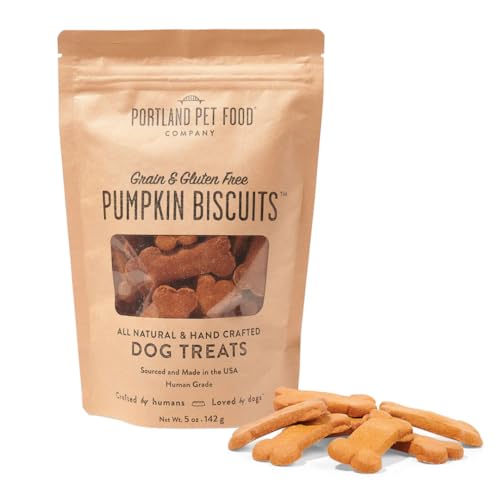
Homemade Treats for Dogs with Sensitive Stomachs
Take control of your dog's digestive health with gentle, vet-informed recipes. Discover safe ingredients, easy-to-make treats, and practical tips to avoid tummy troubles.
If your dog has a sensitive stomach, you know the worry that comes with every new food or treat. The good news is that making homemade treats for dogs with sensitive stomachs is one of the most effective ways to control what goes into their body, eliminate hidden allergens, and provide a delicious reward without the digestive upset.
This guide is designed for dog owners who are ready to take a proactive approach to their pet's nutrition. We'll walk you through the safest ingredients, provide simple and reliable recipes, and explain how to introduce new treats without triggering a flare-up. Whether you're dealing with a dog who has a diagnosed food allergy or simply a sensitive tummy, the principles here will help you create a happier, healthier treat routine.
Understanding Your Dog's Sensitive Stomach
A sensitive stomach isn't a specific disease; it's a collection of symptoms that can have many causes. These can range from food intolerances and allergies to stress, sudden diet changes, or even underlying medical conditions like inflammatory bowel disease or pancreatitis. Before you start experimenting with homemade treats, it's always wise to consult your veterinarian to rule out any serious health issues.
Common signs that your dog might have a sensitive stomach include:
- Frequent gas or flatulence
- Loose, soft, or watery stools
- Vomiting or regurgitation after meals
- Excessive drooling
- Audible stomach gurgling
- Reluctance to eat or a reduced appetite
Once medical issues are ruled out, dietary management becomes key. The goal is to provide highly digestible, bland, and nutritionally balanced food and treats. This is where homemade treats shine—you can select simple, single-ingredient foods that are less likely to cause a reaction.
Safe & Gentle Ingredients for Sensitive Stomachs
When making treats for a sensitive dog, simplicity is your best friend. The fewer ingredients, the easier it is to identify potential triggers. Here are some of the most well-tolerated ingredients you can use:
Gentle Proteins
Lean, easily digestible proteins are the cornerstone of a sensitive-stomach diet.
- Boiled, skinless chicken breast: A classic bland protein that most dogs tolerate well. Shred or dice it finely.
- Boiled turkey breast: Another lean option, often just as gentle as chicken.
- White fish (cod, tilapia): Boiled or baked without oil or seasoning. A good alternative for dogs with poultry allergies.
- Eggs: Scrambled or hard-boiled without salt or butter. A complete protein source.
Digestible Carbohydrates
These provide energy and help bind the stool, but must be cooked thoroughly.
- Plain white rice: Very easy to digest and often used in bland diets.
- Sweet potato: Baked or boiled and mashed. Rich in fiber and vitamins.
- Pumpkin puree: Canned (not pie filling) or fresh, cooked and mashed. Excellent for soothing the digestive tract.
- Oat flour: A gentle alternative to wheat flour for baking treats.
Pro Tip: Always introduce one new ingredient at a time. If you make a treat with chicken and sweet potato, wait a few days before trying a fish-based treat. This way, if a reaction occurs, you'll know exactly which ingredient was the culprit. For more guidance on managing food sensitivities, see our article on vet-approved homemade food for skin allergies.
Ingredients to Strictly Avoid
For a dog with a sensitive stomach, some common treat ingredients can be a fast track to discomfort. Keep this list handy:
- Wheat, corn, and soy: These are common fillers and potential allergens that can be hard on digestion.
- Dairy products (milk, cheese, butter): Many dogs are lactose intolerant, leading to gas and diarrhea.
- Artificial sweeteners (especially xylitol): Xylitol is extremely toxic to dogs. Avoid all artificial sweeteners.
- High-fat ingredients: Bacon, fatty meats, and excessive oils can trigger pancreatitis, a serious condition. For more on this, see our guide on low-fat recipes for pancreatitis.
- Spices and seasonings: Onion, garlic, salt, and pepper can cause digestive upset and some are toxic.
- Processed meats: Hot dogs, deli meats, and sausage are high in sodium and preservatives.
Easy Homemade Treat Recipes
These recipes are designed with simplicity and digestibility in mind. They are perfect for dogs with sensitive stomachs. Remember to always consult your vet to ensure these treats fit into your dog's overall balanced diet.
1. Gentle Chicken & Rice Bites
A soft, bake-free treat that's easy on the tummy. Perfect for training or a quick reward.
Ingredients: 1 cup cooked, shredded chicken breast; ½ cup cooked white rice; 1 tablespoon plain pumpkin puree.
Instructions: Mix all ingredients in a bowl until well combined. Form into small, bite-sized balls. Store in the refrigerator for up to 3 days, or freeze for longer storage.
2. Sweet Potato & Oat Flour Cookies
A simple baked treat with gentle fiber and a satisfying crunch.
Ingredients: 1 cup mashed sweet potato (cooked); 1 ½ cups oat flour; 1 egg; 1 tablespoon coconut oil (optional).
Instructions: Preheat oven to 350°F (175°C). Mix all ingredients until a dough forms. Roll out and cut into shapes. Bake for 20-25 minutes until firm. Cool completely before serving.
3. White Fish & Pumpkin Bites
A great alternative protein source that's soothing for the digestive tract.
Ingredients: 1 cup cooked white fish (cod or tilapia), flaked; ½ cup plain pumpkin puree; ½ cup oat flour.
Instructions: Mix all ingredients. Form into small patties. Bake at 350°F (175°C) for 15-20 minutes or until cooked through. Let cool before serving.
4. Simple Egg & Rice Omelet Bites
Quick to prepare and a good source of protein. Cut into small squares for treats.
Ingredients: 2 eggs; ¼ cup cooked white rice; 1 teaspoon finely chopped parsley (optional).
Instructions: Whisk eggs and mix in rice and parsley. Pour into a lightly greased (with coconut oil) non-stick pan and cook until set. Cut into small, bite-sized pieces.
If you're looking for even more variety, explore our collection of grain-free dog treat recipes and training treat recipes. For dogs with specific conditions like kidney disease, always follow your vet's advice and refer to specialized guides like our homemade food for kidney disease.
How to Introduce New Treats Safely
Even with the safest ingredients, a sudden change can upset a sensitive stomach. Follow these steps for a smooth transition:
- Start small: Offer a piece of the new treat no larger than a pea. This limits the impact if there is a reaction.
- Observe for 48 hours: Watch for any signs of digestive upset—gas, loose stool, vomiting, or changes in appetite.
- Gradually increase: If there are no issues, you can slowly increase the amount over several days.
- Keep treats to 10%: Treats should never make up more than 10% of your dog's daily calorie intake. The rest should be a complete and balanced diet.
- One new treat at a time: Don't introduce multiple new treats or ingredients at once, as it becomes impossible to identify the trigger if a problem arises.
Storage & Safety Tips
Homemade treats lack preservatives, so proper storage is essential to prevent spoilage and foodborne illness.
- Refrigeration: Most homemade treats, especially those with meat or moisture, should be stored in an airtight container in the refrigerator for up to 3-5 days.
- Freezing: Freeze treats in small portions or on a baking sheet before transferring to a freezer bag. This prevents them from sticking together. Most treats freeze well for 2-3 months.
- Labeling: Always label your containers with the date of preparation and the ingredients used, in case of an allergy issue.
- Discard spoiled treats: If a treat smells off, looks moldy, or has been left out too long, throw it away. When in doubt, throw it out.
Frequently Asked Questions
Ready to Treat Your Dog Safely?
Making homemade treats for a dog with a sensitive stomach is a rewarding way to show you care. Start with the simple, gentle recipes above, always introduce new ingredients cautiously, and consult your vet for a personalized plan. For more comprehensive dietary guidance, explore our other resources on homemade dog food recipes and healthy homemade food for small dogs. Your diligence will pay off with a happy, healthy companion.