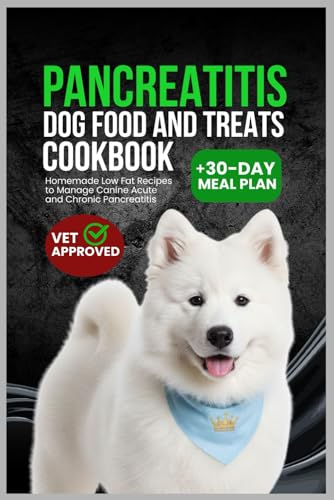
Homemade Low Fat Dog Food Recipes for Pancreatitis
A practical, vet-informed guide to preparing safe, low-fat meals at home for dogs managing pancreatitis — including recipes, ingredient guidelines, and feeding strategies.
If your dog has been diagnosed with pancreatitis, you are probably feeling overwhelmed by the dietary changes required. Pancreatitis — inflammation of the pancreas — is a painful and potentially life-threatening condition that demands strict dietary management, particularly regarding fat intake. While commercial low-fat prescription diets are available, many owners prefer to prepare homemade meals so they can control every ingredient.
Homemade low-fat dog food for pancreatitis is entirely possible, but it must be done correctly. A poorly formulated homemade diet can worsen your dog's condition or create new nutritional deficiencies. This guide walks you through the principles of pancreatitis-safe home cooking, provides practical recipes, and explains what you must discuss with your veterinarian before making the switch.
⚠️ Important Medical Disclaimer:
Pancreatitis is a serious medical condition. Never change your dog's diet without consulting your veterinarian first, especially during or immediately after an acute episode. The information in this guide is educational and should be used in partnership with professional veterinary guidance. Your vet or a board-certified veterinary nutritionist should review any homemade recipe to ensure it meets your dog's specific nutritional needs.
Understanding Pancreatitis in Dogs
The pancreas is a small organ that produces digestive enzymes and insulin. When it becomes inflamed, those digestive enzymes can activate prematurely and begin digesting the pancreas itself — a painful and dangerous process. Pancreatitis can be acute (sudden onset) or chronic (recurring episodes), and it ranges from mild to life-threatening.
Fat is the primary dietary trigger for pancreatitis. High-fat meals stimulate the pancreas to release more digestive enzymes, which can exacerbate inflammation. This is why dietary fat restriction is the cornerstone of pancreatitis management. Dogs with pancreatitis often also benefit from highly digestible, moderate-protein, and low-fiber meals, though individual needs vary.
Common signs of pancreatitis include vomiting, abdominal pain (often presenting as a hunched posture), lethargy, loss of appetite, and sometimes diarrhea. If your dog shows these signs, seek veterinary care immediately — this is not a condition to manage at home without professional guidance.
Who Is at Risk?
Certain breeds are genetically predisposed to pancreatitis, including Miniature Schnauzers, Yorkshire Terriers, and Cocker Spaniels. Overweight dogs, senior dogs, and dogs with diabetes or hypothyroidism are also at higher risk. However, any dog can develop pancreatitis, and a single episode often means lifelong dietary management.
Why Homemade Food Can Help
Commercial low-fat prescription diets are convenient and nutritionally complete, and they are the safest starting point for most dogs with pancreatitis. However, homemade food offers some advantages that owners find valuable:
- Precise fat control: You know exactly what goes into every meal, allowing you to meet very specific fat targets that may be difficult to achieve with commercial foods.
- Ingredient transparency: No mystery by-products, fillers, or hidden fat sources. You choose every component.
- Palatability: Many dogs with pancreatitis are picky eaters, especially during recovery. Freshly cooked food is often more appealing than kibble.
- Customization: You can adjust protein sources, fiber levels, and portion sizes based on your dog's individual response and any concurrent conditions (such as kidney disease or bladder stones).
- Elimination diets: If your dog has concurrent food allergies or sensitivities, homemade food lets you control every ingredient. For dogs with multiple conditions, see our guide on homemade food for senior dogs with sensitive stomachs.
That said, homemade diets carry risks. The most significant is nutritional imbalance. A diet of chicken and rice, while low in fat, is not nutritionally complete and will cause deficiencies if fed long-term. This is why veterinary oversight is essential. For general homemade feeding principles, see our complete homemade cooked dog food guide.
Key Dietary Guidelines for Pancreatitis
The following guidelines reflect the current consensus in veterinary nutrition for managing pancreatitis. Your vet may adjust these based on your dog's specific case:
- Fat restriction is paramount: Most vets recommend a diet containing less than 10-15% fat on a dry matter basis. Some dogs need even lower levels during recovery. Fat should come from lean sources, not added oils or fatty meats.
- Moderate, high-quality protein: Protein should be lean and highly digestible. Skinless poultry, white fish, and egg whites are excellent choices. Avoid fatty cuts of meat and organ meats, which are higher in fat.
- Highly digestible carbohydrates: Cooked white rice, sweet potato, and pumpkin are gentle on the digestive system and provide energy without fat. These should form a significant portion of the meal during recovery.
- Adequate fiber: Some dogs benefit from moderate fiber to support digestion, while others do better with lower fiber. Your vet will advise based on your dog's response. Soluble fiber sources like pumpkin are often well tolerated.
- Complete and balanced nutrition: This is non-negotiable for long-term feeding. A homemade diet must include calcium, essential fatty acids, vitamins, and trace minerals. Use a veterinary-recommended supplement or work with a nutritionist to formulate a balanced recipe.
- Small, frequent meals: Feeding smaller portions more frequently (3-4 times daily) reduces the workload on the pancreas and digestive system. This is especially important during recovery.
- No table scraps or treats: High-fat treats can trigger a relapse. Use small pieces of lean cooked chicken or low-fat commercial treats approved by your vet. See our guide on homemade training treats for low-fat options.
Pro Tip: Ask your vet for a target fat percentage on a dry matter basis. This gives you a concrete number to aim for when selecting ingredients and evaluating recipes. Most dogs do well on 8-12% fat on a dry matter basis, but your dog's needs may differ.
Safe Ingredients & Fat Content
Choosing the right ingredients is the foundation of a pancreatitis-safe homemade diet. Below is a practical reference for safe, low-fat ingredients and those to avoid.
Lean Protein Sources (Cook Without Added Fat)
| Protein Source | Relative Fat Level | Notes |
|---|---|---|
| Skinless chicken breast | Very low | Excellent staple; remove all skin and visible fat |
| Turkey breast (skinless) | Very low | Good alternative for variety |
| White fish (cod, pollock, tilapia) | Low | Ensure no bones; poach or bake without oil |
| Egg whites | Very low | Cook thoroughly; avoid yolks (higher fat) |
| Lean venison or rabbit | Low | Lean cuts only; remove all visible fat |
Safe Carbohydrates
- White rice: Highly digestible and low in fat. Cook thoroughly and rinse to remove excess starch.
- Sweet potato: Nutrient-dense and low in fat. Cook thoroughly (boil or bake without oil) and mash or dice.
- Pumpkin (plain, canned or fresh): Excellent source of soluble fiber. Use plain pumpkin, not pumpkin pie filling.
- Cooked pasta or oatmeal: Moderate fiber and low fat. Use in moderation and avoid added butter or oil.
- Green beans and carrots: Low-calorie, low-fat vegetables that add bulk and nutrients. Cook until soft.
Ingredients to Avoid Completely
- Fatty meats: Beef, lamb, pork, and dark poultry meat are too high in fat. Even "lean" ground beef is often higher in fat than ideal.
- Organ meats: Liver, kidney, and heart are nutrient-dense but high in fat and can be difficult to digest.
- Added fats and oils: No butter, margarine, vegetable oil, coconut oil, or bacon drippings. Even small amounts can trigger a flare-up.
- High-fat dairy: Cheese, cream, and full-fat yogurt are too high in fat. If using dairy, choose non-fat plain yogurt in small amounts.
- Fried or processed foods: Never feed table scraps, fried foods, or processed meats.
- Toxic foods: Chocolate, grapes, raisins, onions, garlic, xylitol, and macadamia nuts are toxic to dogs regardless of fat content. See our guide on dangerous toxic foods for dogs.
Low-Fat Homemade Recipes for Dogs with Pancreatitis
The following recipes are designed to be low in fat and gentle on the digestive system. Important: These recipes are not nutritionally complete on their own. They must be paired with a veterinary-recommended supplement or used as a base that your vet or nutritionist adjusts to meet your dog's complete nutritional needs. Always introduce new foods gradually and monitor your dog closely.
Recipe 1: Lean Chicken & Rice Base
This is the most fundamental low-fat recipe and the one most vets recommend for recovery. It is simple, highly digestible, and easy to adjust.
Ingredients
- 1 lb (450g) skinless chicken breast, visible fat removed
- 1 cup uncooked white rice
- 2 cups water (for rice)
- 1/2 cup plain canned pumpkin (optional, for fiber)
- Veterinary-recommended supplement (per your vet's dosage)
Instructions
- Boil the chicken breast in water until fully cooked (internal temperature 165°F/74°C). Do not add oil, butter, or salt.
- Remove chicken and let cool. Shred or cut into small pieces. Save a small amount of the cooking water if needed for moisture.
- Cook white rice according to package instructions using the 2 cups of water. Do not add butter or oil.
- Mix the shredded chicken and cooked rice in a 1:2 ratio (one part chicken to two parts rice) for the initial recovery phase. As your dog stabilizes, your vet may suggest adjusting the ratio to increase protein.
- Stir in plain pumpkin if using, and add the veterinary supplement according to the dosage recommended for your dog's weight.
- Serve warm or at room temperature. Store leftovers in the refrigerator for up to 3 days or freeze in portions.
Recipe 2: White Fish & Sweet Potato
White fish provides a novel protein source for dogs who are tired of chicken, and sweet potato adds nutrients and fiber.
Ingredients
- 1 lb (450g) white fish fillets (cod, pollock, or tilapia), skin and bones removed
- 1 large sweet potato, peeled and cubed
- 1/2 cup cooked white rice (optional, for extra calories)
- Veterinary-recommended supplement
Instructions
- Boil or bake the sweet potato until soft (about 20-25 minutes). Mash or dice into small pieces.
- Poach the fish in water until it flakes easily (about 10 minutes). Do not add oil or butter. Drain well.
- Flake the fish and check carefully for any remaining bones.
- Mix the fish and sweet potato in roughly equal parts by volume, or adjust based on your vet's recommended protein-to-carb ratio. Add cooked rice if using.
- Add the veterinary supplement according to your dog's weight.
- Serve at room temperature. Refrigerate leftovers for up to 3 days.
Recipe 3: Turkey & Vegetable Medley
This recipe adds gentle vegetables for extra nutrients and variety while keeping fat content low.
Ingredients
- 1 lb (450g) skinless turkey breast, visible fat removed
- 1 cup cooked white rice
- 1/2 cup cooked green beans, chopped
- 1/2 cup cooked carrots, mashed or finely chopped
- 1/4 cup plain canned pumpkin (optional)
- Veterinary-recommended supplement
Instructions
- Boil the turkey breast in water until fully cooked. Do not add oil, salt, or seasonings. Shred or finely chop.
- Cook the green beans and carrots until very soft (boil or steam without oil). Chop finely or mash.
- Combine the turkey, cooked rice, and vegetables in a large bowl. Mix well.
- Add pumpkin if using, and stir in the veterinary supplement according to your dog's dosage.
- Serve at room temperature. Store in the refrigerator for up to 3 days or freeze individual portions.
About Nutritional Completeness:
These recipes are starting points, not complete diets. Long-term feeding of unbalanced homemade food can cause serious health problems, including bone disease, heart issues, and immune dysfunction. Work with your veterinarian or a board-certified veterinary nutritionist to formulate a complete recipe with appropriate calcium, vitamins, minerals, and fatty acids. For more recipe ideas, see our homemade food recipes for large dogs and homemade food recipes for small dogs, and ask your vet to adapt them for pancreatitis.
Feeding Strategies & Portions
How you feed is almost as important as what you feed. Dogs with pancreatitis benefit from a structured, consistent feeding routine.
Portion Control
Your dog's daily caloric needs depend on their weight, age, activity level, and health status. Your vet can calculate a precise daily calorie target. As a general guide for feeding homemade food, you can use the following approach:
- Weigh your dog's food portions with a kitchen scale for accuracy. Homemade food varies in density, so volume measurements (cups) are less reliable than weight (grams).
- Start with the amount your vet recommends based on the calorie content of your recipe. Monitor your dog's weight weekly and adjust portions as needed.
- Divide the daily portion into 3-4 smaller meals during recovery, then transition to 2-3 meals daily once stable. Smaller meals are easier on the pancreas.
Feeding Schedule
- During recovery: Feed 3-4 small meals daily at consistent times. This minimizes pancreatic stimulation and helps prevent vomiting.
- Long-term maintenance: Most dogs do well with 2-3 meals daily. Avoid free-feeding, as it makes it difficult to monitor intake and can lead to overeating.
- Consistency is key: Feed the same recipe at the same times each day. Sudden changes — even to another low-fat food — can trigger a flare-up.
Treats and Snacks
Treats can be a hidden source of fat. Use only low-fat treats approved by your vet. Small pieces of cooked skinless chicken breast, small pieces of cooked sweet potato, or low-fat commercial treats are safe options. Avoid all table scraps, cheese, peanut butter, and high-fat commercial treats. For homemade treat ideas, see our treats for dogs with sensitive stomachs guide.
Transitioning to Homemade Food
Switching from commercial food to homemade food — or from one homemade recipe to another — should be done gradually to avoid digestive upset. This is especially important for dogs with pancreatitis, whose digestive systems are already sensitive.
- Get veterinary approval: Before starting any homemade diet, have your vet review the recipe and confirm it meets your dog's nutritional needs. Ask for a target fat percentage and any specific ingredient restrictions.
- Start with a small proportion: Begin by replacing about 25% of your dog's current food with the new homemade food. Mix it thoroughly.
- Increase gradually: Over 7-10 days, gradually increase the proportion of homemade food while decreasing the old food. Monitor your dog for any signs of digestive upset (vomiting, diarrhea, loss of appetite).
- Watch for reactions: If your dog shows any signs of discomfort, slow down the transition or return to the previous ratio for a few days before trying again. If symptoms persist or worsen, contact your vet.
- Establish a routine: Once fully transitioned, keep the recipe and feeding schedule consistent. Avoid unnecessary changes, as stability is crucial for pancreatitis management.
Pro Tip: Keep a simple feeding diary. Record what you feed, how much, and when, along with any changes in your dog's behavior, stool quality, or appetite. This information is invaluable if your dog has a setback and helps your vet make informed decisions.
Common Mistakes to Avoid
Even well-intentioned owners can accidentally undermine their dog's recovery. Here are the most common pitfalls:
- Feeding an incomplete diet long-term: A chicken-and-rice diet is fine for a few days during recovery, but it lacks essential nutrients. Long-term, it must be balanced with supplements or reformulated by a professional. See our guide on vet-approved homemade recipes for principles of balanced formulation.
- Adding oils or fatty supplements: Omega-3 supplements are beneficial for many conditions, but some are high in fat. Ask your vet before adding any supplement, including fish oil.
- Giving high-fat treats: A single high-fat treat can trigger a relapse. Be vigilant about what your dog eats, including what family members or visitors might slip them.
- Switching foods too quickly: Always transition gradually, even between low-fat recipes. Sudden changes can cause digestive upset.
- Ignoring portion sizes: Overfeeding — even low-fat food — can lead to weight gain and strain on the digestive system. Measure portions carefully.
- Assuming homemade is automatically healthier: Homemade food is only healthier if it is properly formulated. An unbalanced homemade diet can be worse than a commercial prescription diet.
- Not monitoring your dog's response: Watch for changes in appetite, stool, weight, and behavior. Report any concerns to your vet promptly.
⚠️ When to Seek Emergency Care: If your dog shows signs of an acute pancreatitis attack — repeated vomiting, severe abdominal pain, lethargy, or refusal to eat — do not wait. Contact your veterinarian or an emergency clinic immediately. Pancreatitis can be life-threatening and requires prompt medical treatment.
Frequently Asked Questions
Final Thoughts:
Managing pancreatitis with homemade food is entirely achievable, but it requires commitment, consistency, and professional guidance. The recipes in this guide provide a safe starting point, but they must be tailored to your dog's individual needs with the help of your veterinarian. Always prioritize low-fat ingredients, avoid high-fat treats and table scraps, and monitor your dog closely for any signs of relapse. With careful planning and veterinary partnership, you can provide your dog with nutritious, delicious meals that support their health and comfort for years to come.