Hot Spot Treatment for Dogs: A Complete Guide to Fast Relief
Discover how to identify, treat, and prevent painful hot spots on your dog. From immediate home care to veterinary solutions, learn everything you need to soothe your dog's skin and speed up recovery.
Finding a raw, red, oozing patch of skin on your dog can be alarming. These painful lesions, commonly called hot spots, can appear suddenly and grow rapidly, causing significant discomfort for your pet. Knowing how to respond quickly is essential for your dog's comfort and recovery. This comprehensive guide will walk you through every aspect of identifying, treating, and preventing hot spots, giving you the confidence to manage this common skin condition effectively.
What Are Hot Spots on Dogs?
A hot spot, medically referred to as acute moist dermatitis, is a localized, rapidly developing skin infection. It is characterized by red, inflamed, and often weeping skin that is extremely painful and itchy. The condition gets its name from the warm, moist feel of the inflamed skin. These lesions can appear and worsen in a matter of hours.
The process begins with an initial trigger that causes your dog to itch or scratch. This could be a flea bite, an allergic reaction, or a small scratch. The dog's natural response is to lick, chew, and scratch the area. This self-trauma breaks the skin barrier, allowing bacteria that normally live on the skin to overgrow. The combination of moisture from licking and the warm, enclosed environment under a matted coat creates the perfect conditions for a bacterial infection to flare up. If your dog has underlying skin issues, you may need to explore options like hydrolyzed protein dog food to address potential food allergies.
Common Causes & Triggers
Hot spots are almost always a secondary symptom of an underlying problem. The most effective treatment addresses both the visible lesion and its root cause. Common triggers include:
- Flea Allergies: A single flea bite can trigger an intense allergic reaction in sensitive dogs, leading to scratching and a hot spot. Learn more about dog flea treatment.
- Environmental Allergies: Pollen, mold, and dust mites can cause itchy skin. If your dog is prone to these issues, consider hypoallergenic dog breeds in the future.
- Food Allergies: An adverse reaction to an ingredient in your dog's food can manifest as itchy skin. Sometimes a limited ingredient dog food for skin allergies is a helpful diagnostic tool.
- Ear Infections: Infections in the ear canal can cause intense itching around the head and neck, leading to self-trauma and hot spots.
- Anal Gland Issues: Impacted or infected anal glands can cause a dog to scoot and chew at their rear end.
- Poor Grooming: A matted, dirty coat traps moisture and dirt against the skin, creating an ideal environment for infection and making it harder for air to circulate.
- Boredom or Stress: In some cases, compulsive licking due to anxiety or boredom can initiate a hot spot.
Signs & Symptoms to Watch For
Hot spots are typically easy to spot once they have developed. Keep an eye out for these signs, especially if you notice your dog obsessively focusing on one area of their body:
Visual Signs
- Red, inflamed, and raw-looking skin
- A moist, weeping, or oozing area
- Hair loss around the affected area
- A distinct, often foul smell
- Pus or crusting
- Rapidly increasing size of the lesion
Behavioral Signs
- Constant licking, chewing, or scratching at the spot
- Whining or crying when the area is touched
- Restlessness or inability to get comfortable
- Loss of appetite or lethargy in severe cases
- Irritability or aggression if you try to examine the spot
Step-by-Step Home Treatment for Mild Hot Spots
If the hot spot is small and you can safely handle your dog, you can begin initial treatment at home. The goal is to clean the area, keep it dry, and prevent further self-trauma.
- Safety First: Your dog is in pain and may snap. Use a muzzle if necessary. If you don't have one, a strip of soft cloth or gauze can be gently tied around the snout. A dog muzzle is a great item to have in your dog first aid kit.
- Clip the Hair: Gently clip the hair around the hot spot using blunt-nosed grooming clippers. This is crucial for allowing air to reach the skin and preventing moisture from being trapped. Be very careful not to cut the inflamed skin.
- Clean the Area: Gently cleanse the lesion with a mild, dog-safe antiseptic solution. Diluted povidone-iodine (betadine) or a chlorhexidine solution are good choices. You can also use a saline solution to flush away debris. Pat the area dry with a clean towel.
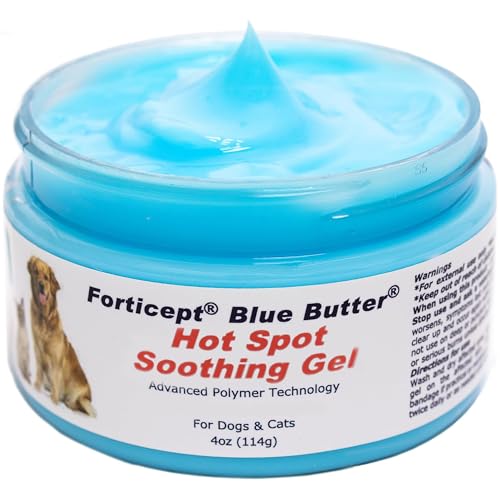
- Apply a Topical Treatment: After cleaning, apply a thin layer of a vet-approved topical product. Avoid human creams unless specifically directed by your vet. Products containing hydrocortisone can reduce inflammation, while topical antibiotics can help fight infection.
- Prevent Licking: This is the most important step. An Elizabethan collar (E-collar or cone) is essential to stop your dog from undoing all your hard work. Keep the cone on until the spot is completely healed.
- Keep it Dry: Prevent your dog from swimming or getting the area wet until it has healed. Moisture is the enemy of a healing hot spot.
Important: Never use human products like hydrogen peroxide, alcohol, or steroid creams without veterinary advice. These can be painful and may worsen the condition. If the hot spot is not improving within 24-48 hours or is getting larger, see your vet immediately.
When to See a Vet & Medical Treatments
Some hot spots require professional medical intervention. You should take your dog to the vet if:
- The hot spot is large, deep, or spreading rapidly.
- Your dog is in severe pain, lethargic, or has a fever.
- You cannot safely handle or treat the area at home.
- The lesion does not improve after 48 hours of home care.
Your veterinarian will perform a thorough examination and may recommend the following treatments:
- Professional Clipping and Cleaning: The vet will carefully clip the fur and clean the area, often using a stronger antiseptic.
- Oral Antibiotics: A course of antibiotics is often prescribed to clear the bacterial infection. It's crucial to finish the entire course as directed. For severe skin issues, a vet might suggest a best dog food for dogs with allergies and skin problems.
- Anti-Itch Medication: To break the itch-scratch cycle, your vet may prescribe corticosteroids or other anti-itch medications.
- Pain Relief: Your vet may provide pain medication to keep your dog comfortable during the healing process.
- Diagnostics: If hot spots are recurrent, your vet may recommend allergy testing or other diagnostics to identify the underlying cause. A dog DNA test can sometimes provide clues about breed-specific predispositions.
| Treatment Approach | Best For | Key Benefit |
|---|---|---|
| Home Care | Small, superficial hot spots | Immediate action and cost-effective for minor issues |
| Topical Products | Mild infections and itch relief | Targeted treatment with fewer systemic side effects |
| Oral Antibiotics | Bacterial infections | Clears deep-seated infection from the inside out |
| Anti-Itch Medication | Breaking the itch-scratch cycle | Provides fast relief and prevents self-trauma |
| Allergy Management | Recurrent or chronic cases | Addresses the root cause to prevent future flare-ups |
Prevention Strategies
Preventing hot spots is far easier than treating them. A proactive approach to your dog's health and grooming is key.
- Flea Control: Maintain a strict, year-round flea prevention program. This is the single most important preventative measure for dogs with flea allergies. Check our guide on safest and most effective flea and tick treatment for dogs.
- Regular Grooming: Brush your dog regularly to remove loose fur and prevent matting, which traps moisture. For double-coated breeds, this is especially important. A high-quality dog brush is an essential tool.
- Bathing: Bathe your dog with a gentle, soothing shampoo, especially after swimming or getting dirty. This removes allergens and keeps the skin clean. A dog shampoo with oatmeal or aloe can be very soothing for itchy skin.
- Dry Thoroughly: After a bath or swim, make sure your dog is completely dry, paying special attention to the undercoat and skin folds.
- Address Allergies: Work with your vet to identify and manage any underlying environmental or food allergies.
- Mental Stimulation: Boredom can lead to excessive licking. Provide plenty of interactive dog toys and puzzle toys for dogs to keep their mind engaged.
Still Feeling Overwhelmed?
Dealing with a hot spot can be stressful, but by taking swift action and following a consistent care plan, you can help your dog find relief. The most critical steps are preventing licking, keeping the area clean and dry, and consulting your vet when needed. With a little diligence and preventative care, you can help your dog stay comfortable and free from these painful skin issues. If you're looking for more ways to keep your dog healthy, explore our other dog care guides.