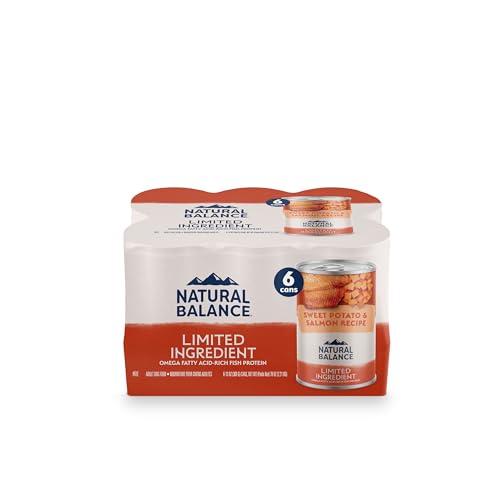
Limited Ingredient Dog Food for Skin Allergies
Your complete guide to understanding how LID diets work, which proteins to choose, and how to run an effective elimination trial to stop your dog's itching.
If your dog is constantly scratching, biting at their paws, or dealing with recurring hot spots and rashes, food allergies could be the culprit. Food allergies account for roughly 15 to 35 percent of non-seasonal itching cases in dogs[citation:4]. For these dogs, switching to a limited ingredient dog food for skin allergies can be transformative—but only if you choose the right formula and run the trial correctly.
This guide cuts through the marketing noise. You will learn what limited ingredient diets actually are, which proteins work best for allergic dogs, how to distinguish over-the-counter options from prescription-grade formulas, and the exact steps to run a proper elimination trial that gives you real answers.
What Is Limited Ingredient Dog Food?
Limited ingredient dog food (LID) is designed to simplify your dog's diet by reducing the number of ingredients—specifically, the number of potential allergens. While there is no official regulatory definition, these formulas typically feature one primary animal protein source and one carbohydrate source[citation:1]. Some LID foods go further, using a single novel protein (one your dog has never eaten) paired with a single novel carbohydrate.
The logic is straightforward: if your dog is allergic to chicken, beef, or wheat, removing those ingredients removes the trigger. But there is a catch. Many over-the-counter "limited ingredient" foods still contain trace amounts of common proteins through cross-contamination during manufacturing. A 2011 study found that 10 of 12 over-the-counter limited ingredient foods labeled free of certain proteins actually tested positive for those proteins[citation:4]. This is why the source and verification of your chosen diet matters enormously.
The Bottom Line: Limited ingredient dog food is a diagnostic and management tool, not a permanent lifestyle choice for every dog. It works best when used strategically to identify trigger ingredients, then transition to an appropriate long-term diet.
Why Skin Allergies Happen (and How Food Fits In)
Canine skin allergies fall into three main categories: environmental (atopic dermatitis), parasitic (fleas, mites), and food-related. In reality, many dogs have a combination. Food allergies can manifest as skin problems alone, gastrointestinal issues alone, or both. Common signs of food-related skin allergies include:
- Persistent itching that does not follow a seasonal pattern
- Recurring ear infections or redness in the ear canals
- Paw licking and chewing, often leading to brown saliva stains
- Hot spots and inflamed skin patches
- Hives or rashes on the belly, groin, or armpits
- Facial rubbing or scratching at the muzzle and eyes
If your dog shows these signs year-round—especially if they started after a change in diet or have been ongoing for months—a food allergy trial is reasonable to consider[citation:4]. However, not every itchy dog needs a limited ingredient diet. Environmental allergies are more common in first-time itchy dogs, and a veterinarian will typically rule out infections and parasites first before recommending a diet trial.
Protein Options Compared: Which Works Best for Skin Allergies?
The protein source is the single most important factor in a limited ingredient diet for allergies. Dogs are most commonly allergic to proteins they have eaten frequently in the past—especially beef, chicken, dairy, wheat, and lamb[citation:6][citation:9]. The solution is to choose a protein your dog has never encountered, known as a "novel protein."
| Protein Type | Allergy Risk | Best For | Considerations |
|---|---|---|---|
| Salmon / Whitefish | Low (if not previously fed) | Most dogs with chicken/beef allergies | Rich in omega-3s for skin support |
| Venison | Very Low | Dogs with multiple protein allergies | Lean meat; may be premium-tier |
| Duck | Low | Dogs allergic to chicken | Novel poultry option; palatable |
| Rabbit | Very Low | Severe allergy cases | Often found in prescription diets |
| Lamb | Moderate | Dogs not previously exposed | Common in LID foods; may not be novel for some |
| Hydrolyzed Protein | Minimal | Dogs with extensive protein allergies | Proteins broken into tiny fragments; prescription only |
For dogs with severe allergies or those who have already tried multiple novel proteins, hydrolyzed protein dog food is often the next step. The hydrolysis process breaks proteins into fragments too small for the immune system to recognize, dramatically reducing the chance of a reaction[citation:6].
How to Choose the Right Limited Ingredient Food
Shopping for a limited ingredient diet is not as simple as grabbing the first bag labeled "LID." Here is what to look for:
- AAFCO Statement: The food must state it is "complete and balanced" for your dog's life stage (adult maintenance, all life stages, or growth). A food that lacks this statement is not a complete diet and can cause nutritional deficiencies over time[citation:1].
- Named Protein First: The first ingredient should be a specific named meat—"salmon," "venison," "duck"—not a generic term like "meat meal" or "poultry." Avoid foods where the protein source is ambiguous[citation:1].
- Single Carbohydrate Source: Look for one primary carb: sweet potato, brown rice, oats, or peas. Avoid formulas with multiple grains or starches if you are trying to isolate triggers.
- No Artificial Additives: Avoid artificial colors, flavors, and preservatives like BHA, BHT, and ethoxyquin. Natural preservatives like mixed tocopherols (vitamin E) are preferable.
- Minimal Additional Ingredients: While "limited" does not mean "only two ingredients," the list should be short and transparent. Fewer ingredients means fewer variables to track during a trial.
Pro Tip: Before committing to a full bag, check if the manufacturer provides a "batch certificate" or guarantees single-source production lines. This is especially important for dogs with severe allergies where cross-contamination could trigger a reaction.
Running a Proper Elimination Trial
A limited ingredient diet is only as good as the trial you run with it. Here is the step-by-step process that veterinary dermatologists recommend:
- Choose the diet with your vet. They know your dog's dietary history and can recommend a protein your dog has truly never eaten. If your dog has had multiple proteins in the past, a hydrolyzed prescription diet may be more reliable than an over-the-counter LID.
- Transition gradually. Over 7 to 10 days, mix increasing amounts of the new food with the old to prevent digestive upset[citation:15].
- Feed exclusively for 8 weeks (minimum). This means no treats, no table scraps, no flavored medications, no toothpaste, and no rawhides. Even a tiny piece of chicken can reset the clock. About 50% of food-allergic dogs improve within 3 weeks, 85% within 6 weeks, and 95% within 8 weeks[citation:10].
- Manage itch during the trial. Your vet may prescribe medications like Apoquel or Cytopoint to keep your dog comfortable while the diet takes effect. These are typically tapered around week 4 to 5 to assess whether the diet alone is working[citation:4].
- Reintroduce ingredients one at a time. If symptoms improve, you can challenge with single ingredients (e.g., a piece of chicken) one at a time to identify the exact trigger. If itching returns, that ingredient is the culprit.
For dogs with concurrent digestive issues, you may also want to explore dog food for allergies and sensitive stomachs that addresses both skin and gut health simultaneously.
OTC vs Prescription Limited Ingredient Diets
Over-the-Counter LID Foods
Convenient and accessible, with a wide range of flavors and formulas. However, cross-contamination is a documented problem. A study found that 10 of 12 OTC "limited ingredient" foods contained trace proteins not on the label[citation:4]. These foods work best for dogs with mild sensitivities or intolerances rather than true immune-mediated allergies.
mid-tier to premiumPrescription LID / Hydrolyzed Diets
Manufactured with strict controls to prevent cross-contamination. Hydrolyzed formulas break proteins into fragments that the immune system cannot detect. These are the gold standard for diagnosing food allergies and managing severe cases. They require a veterinary prescription and are more expensive than OTC options, but they offer reliability that OTC foods cannot guarantee.
premium to luxuryHome-Cooked Elimination Diets
Prepared with a single novel protein and carbohydrate under veterinary supervision. These offer complete control over ingredients but require careful formulation to ensure nutritional completeness. A veterinary nutritionist should be involved to prevent deficiencies.
custom-tierNovel Protein Commercial Diets
Use uncommon proteins like venison, rabbit, or kangaroo paired with unusual carbohydrates like sweet potato or quinoa. These occupy the middle ground between OTC and prescription—more controlled than standard kibble but not as rigorously tested as hydrolyzed diets.
mid-tier to premiumSkin Support Nutrients That Complement LID Diets
Even with the perfect limited ingredient diet, your dog's skin needs support to heal and maintain its barrier function. Look for formulas that include or consider supplementing with:
- Omega-3 Fatty Acids (EPA/DHA): Reduce inflammation and support the skin barrier. Fish-based LID diets often provide these naturally, but supplementation may still be beneficial.
- Vitamin E: An antioxidant that protects skin cells from oxidative damage and supports immune function[citation:20].
- Zinc: Essential for skin healing and keratin production. Zinc deficiency can cause crusty skin and poor coat quality.
- Biotin: Supports keratin production and healthy coat growth.
- Prebiotics and Probiotics: Support gut health, which is closely linked to skin health through the gut-skin axis[citation:8].
If your dog's skin is severely inflamed, a medicated dog shampoo can help manage secondary infections and soothe irritated skin while the diet takes effect.
Common Mistakes to Avoid
- Not reading the full ingredient list. "Limited ingredient" on the front of the bag does not guarantee a short list or a single protein. Check the back panel.
- Cheating during the trial. One piece of chicken, one flavored treat, or one dose of flavored medication can invalidate weeks of progress. Be strict for the full 8 weeks.
- Assuming grain-free means hypoallergenic. Grain-free diets are not automatically limited ingredient, and grains are rarely the primary allergen for dogs. Beef, dairy, and chicken are far more common triggers[citation:6].
- Stopping the trial too early. Skin takes time to heal. Many dogs need the full 8 weeks, and some need up to 12 to show complete resolution.
- Not involving your veterinarian. Food allergies are diagnosed by elimination, but other conditions—parasites, infections, environmental allergies—can mimic food allergy symptoms. A vet can rule these out and guide the trial properly.
Remember: A limited ingredient diet is not a cure-all. If your dog does not improve after 8 to 12 weeks of a strict trial with a verified diet, food allergy is unlikely to be the primary cause. Your vet can then shift focus to environmental allergies or other causes.
Frequently Asked Questions
Ready to Take the Next Step?
Start by talking to your veterinarian about whether a food trial is appropriate for your dog. If it is, choose a diet with a verified protein source—ideally a prescription hydrolyzed diet if your dog has a history of multiple protein exposures. Run the trial strictly for 8 weeks, keep a detailed log of symptoms, and be patient. Skin takes time to heal, but for dogs with genuine food allergies, the results can be life-changing. For more guidance on managing skin issues, explore our resources on dog food for French Bulldogs with skin allergies and German Shepherds with skin allergies.