Bringing home a 6-week-old puppy is both exciting and exhausting. At this tender age, they are just beginning to explore the world without their mother and littermates. It's completely normal for them to cry — it's their primary way of communicating. The key is learning to interpret those cries and respond in a way that builds trust and security. This guide will help you understand your puppy's needs and offer practical solutions to stop the crying, ensuring a peaceful environment for both of you.
Why Does My 6 Week Old Puppy Cry?
A 6-week-old puppy cries for several reasons, and it’s crucial to recognize that these cries are not "manipulation" — they are genuine expressions of need. At this developmental stage, your puppy is highly vulnerable and depends on you for everything.
Common Causes
- Hunger: Puppies have tiny stomachs and need to eat frequently (3-4 times a day).
- Need to Potty: They have limited bladder control and need to go out often, especially after waking up.
- Loneliness & Fear: They are used to the warmth and heartbeat of their mother and siblings. Being alone is frightening.
- Discomfort: They might be too cold, too hot, or uncomfortable in their crate or bedding.
- Need for Attention: Sometimes, they just need a little reassurance that you are nearby.
🐾 Pro Tip: Understanding the "language" of your puppy's cry is the first step to solving the problem. A sharp, repetitive cry often signals discomfort or fear, while a whining cry may indicate boredom or loneliness.
Addressing Immediate Needs
Before assuming your puppy is just "being difficult," always check these three basic needs first. This is the fastest way to stop the crying.
- Check for Hunger: At 6 weeks, puppies should be fed a high-quality puppy food, moistened with water or puppy formula. Stick to a strict feeding schedule to prevent hunger-related crying. You can find the best options in our puppy food guide.
- Potty Time: Take them to their designated potty area immediately after waking up and about 15-20 minutes after eating. Praise them enthusiastically when they go outside. If you need help with training, see our guide on how to train a dog to pee and poop outside.
- Comfort Check: Is their bed warm? Are they in a draft? Place a soft blanket in their crate and ensure the temperature is comfortable.
If these needs are met and the crying continues, it is most likely due to anxiety or the need for comfort.
Crate Training & Comfort
Creating a safe, positive association with the crate is one of the most effective ways to stop your 6-week-old puppy from crying. At this age, the crate should be a haven, not a prison. Start with very short periods and always make it a happy place.
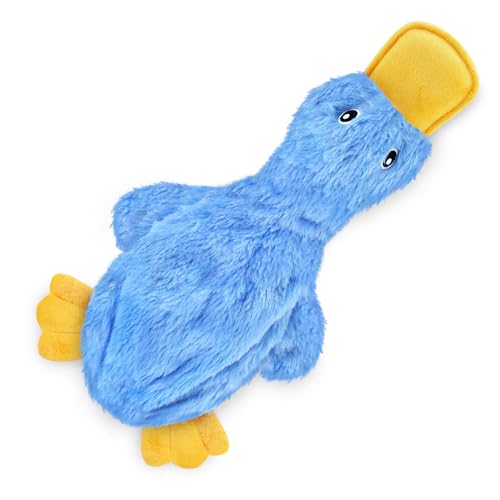
🐶 The "Snuggle Puppy" Method: A plush toy with a heartbeat and heating pad works wonders. It mimics the warmth and comfort of their mother, dramatically reducing night-time crying and anxiety.
- Make the Crate Inviting: Place a cozy bed, a soft blanket with your scent, and a safe chew toy inside. You can also look at our recommendations for the best dog crates for young puppies.
- Location is Key: For the first week, keep the crate near your bed. This allows you to comfort the puppy with your voice or a gentle touch if they cry, preventing panic.
- Short, Positive Sessions: Introduce the crate during the day for short periods (10-15 minutes) while you are in the room. Give treats and praise to build a positive association.
Nighttime Routine: The Key to Sleep
Establishing a consistent nighttime routine is critical for a 6-week-old puppy. Their internal clock is not yet set, and they need your help to learn when it's time to sleep.
A Sample Nighttime Routine
- Final Potty Break: Take your puppy out for a final potty break right before you go to bed. Be calm and business-like, not playful.
- Calm Settling Time: Spend 10-15 minutes in quiet, gentle interaction. Softly pet them and talk in a low voice. Avoid exciting games.
- Crate Time with Comfort: Place them in the crate with a comfort toy. If they cry, how to get a puppy to stop crying in kennel offers more detailed steps.
- Night-time Potty Breaks: Be prepared to take them out once or twice during the night. Keep it quiet and brief.
💡 Smart Tip: A consistent bedtime routine not only helps with crying but also sets the foundation for a well-adjusted adult dog. For more detailed sleep strategies, check our guide on how to get a puppy to stop crying at night.
Comfort Techniques That Work
Beyond the basics, there are several proven techniques to soothe a crying 6-week-old puppy. These methods address the anxiety and loneliness they feel.
- Heartbeat and Heat: We mentioned the snuggle puppy above — it's highly effective. It provides the warmth and rhythm they associate with safety.
- Classical Music or White Noise: Soft music or white noise can help muffle household sounds that might startle your puppy and create a calming environment.
- Gentle Massage: A soft, slow massage can help relax a tense puppy. Focus on their chest and behind their ears.
- A Worn T-Shirt: Place a t-shirt that you have worn in their crate. Your scent is incredibly comforting to them.
- Calming Pheromones: Products like Adaptil release soothing pheromones that mimic those of the mother dog. They can be very effective for anxiety. You can find similar calming products in our recommendations.
What to AVOID When Your Puppy Cries
Knowing what not to do is just as important as knowing what to do. Many well-intentioned owners inadvertently make the problem worse.
- DO NOT punish the crying. Never yell or hit the puppy. This will increase their fear and anxiety, making the crying worse. It can also damage the bond you are building.
- AVOID letting them "cry it out" for long periods. At 6 weeks, they are too young for this method. It can lead to learned helplessness and severe separation anxiety.
- DO NOT pick them up every time they whimper. While you should always comfort, picking them up immediately reinforces the crying behavior. Instead, comfort them with your voice and a gentle touch while they are in the crate.
- AVOID inconsistent responses. If you sometimes give in and sometimes don't, your puppy will be confused. Be consistent with your routine and responses.
Common Mistakes with Crying Puppies
Here are some common pitfalls new puppy owners fall into. Avoiding these will make the process smoother for both of you.
- Mistake: Overfeeding as a comfort. While food is a great distraction, don't use meals to soothe every cry. This can lead to digestive problems and create an unhealthy association. Stick to a strict schedule.
- Mistake: Making the crate too big. A large crate can encourage the puppy to use one corner as a bathroom and the other to sleep, delaying potty training.
- Mistake: Using the crate as punishment. The crate should always be a safe, positive place. Sending them there as a timeout can create a negative association.
- Mistake: Not addressing underlying health issues. If your puppy's crying is accompanied by other symptoms (vomiting, lethargy, loss of appetite), it could be a health issue. In that case, see a vet and check our guide on what to do if your dog won't eat.
Frequently Asked Questions
🐕 You've Got This!
Remember, stopping your 6-week-old puppy from crying is a process that requires patience, consistency, and empathy. You are building a foundation of trust that will last a lifetime. By addressing their needs, creating a safe environment, and using gentle training techniques, you will help them feel secure and loved. The crying will diminish as they grow and learn that they are safe with you.
If you need more help, our articles on how to train a puppy not to cry at night and what to do when a new puppy cries at night are great next steps. Good luck!