What to Do When a New Puppy Cries at Night
Expert advice for soothing your new puppy and getting a good night's sleep. Learn the proven techniques for crate training, comfort, and establishing a bedtime routine that works.
Bringing home a new puppy is a joyful, exciting time. That is, until the sun goes down and your adorable new family member starts crying. The first few nights with a crying puppy can be stressful, exhausting, and leave you wondering if you made a mistake.
You are not alone, and this is completely normal. Your new puppy has been taken away from everything they have ever known: their littermates, their mother, and their familiar surroundings. For a baby dog, being alone in the dark is genuinely frightening. Understanding this is the first step in addressing the crying with compassion and effectiveness.
Important: A crying puppy is not being "bad" or manipulating you. They are signaling their distress. Your response should be to soothe and guide them, not to punish. This guide will show you exactly how to do that, step by step.
Why Puppies Cry at Night
Before you can solve the problem, you need to understand why it's happening. A new puppy's nighttime crying is driven by a few key factors:
- Separation Anxiety: They are alone for the first time. Your puppy is instinctively wired to seek comfort from their pack, and you are their new pack.
- Fear of the Unknown: The crate, the room, the house—everything is new and potentially scary, especially in the dark.
- Need to Potty: Puppies have tiny bladders. Crying is often their only way of telling you they need to go outside. Ignoring this can lead to accidents and a negative association with the crate.
- Boredom or Loneliness: If they wake up and are bored or feel isolated, they will cry out for attention.
- Hunger or Thirst: While less common in the middle of the night, a growing puppy might wake up feeling hungry.
By recognizing these underlying causes, you can tailor your response to be both effective and comforting. Your goal is not to stop the crying at all costs, but to teach your puppy that the crate is a safe, calm place to sleep and that they can trust you to respond to their needs.
Your Nighttime Puppy Routine
Consistency is the golden rule of crate training and getting a puppy to sleep through the night. A predictable routine signals to your puppy that it's time to wind down and rest. Follow these steps to establish a successful nighttime schedule.
- Limit Food and Water: Pick up your puppy's food and water bowl about 2-3 hours before bedtime. This gives them plenty of time to digest and use the bathroom before you tuck them in, reducing the chance of a potty emergency.
- Potty Break Right Before Bed: Take your puppy outside for a final potty break right before you head to bed. This is non-negotiable. Be patient and wait until they have successfully gone to the bathroom.
- Calm Pre-Sleep Activity: Avoid high-energy play right before bed. Instead, have a cuddle session or a gentle massage. This helps lower their heart rate and prepares them for sleep.
- Create a Cozy Crate Environment: Make the crate a safe and inviting space. Use a comfortable, washable bed. You can also place an old t-shirt that smells like you in the crate to offer comfort. The warmth and scent are reassuring.
- Use a Crate Cover: Many puppies find a covered crate more den-like and secure. It blocks out visual stimulation and can help them settle.
- Nighttime Potty Breaks (The First Few Weeks): For the first few weeks, set a silent alarm to take your puppy out for a potty break in the middle of the night. This prevents accidents and reinforces that the crate is for sleeping. Keep the trip boring and quiet: no playtime, no treats, just a quick potty and back to the crate.
Pro Tip: When you take your puppy out for a middle-of-the-night potty break, carry them to the spot if you can. This prevents them from waking up fully and makes it easier for them to go back to sleep. Keep your voice low and calm, and use a specific phrase like "go potty."
This routine is thoroughly explained in our detailed guide on how to get a puppy to stop crying at night, which includes more advanced strategies for persistent cryers.
How to Respond When They Cry
Knowing how to react when your puppy starts crying is critical. A thoughtful response teaches them what behavior is acceptable and builds trust.
The "Wait and Listen" Approach
It's tempting to run to your puppy the second they make a sound, but this can inadvertently teach them that crying gets an immediate reward (your attention). A better approach is to wait a few moments to see if they settle on their own. If they are just fussing and not distressed, they may self-soothe and go back to sleep. This is especially important if you've already taken them out for a potty break.
However, do not let them cry for an extended period. A puppy who is left to cry in distress can develop anxiety and a negative association with their crate. The goal is to be responsive, not reactive.
The "Boring Potty Trip" Rule
If your puppy's crying is persistent and you suspect they might need to potty, follow this rule:
- Quietly approach the crate. Don't make a big deal out of it.
- Open the crate and carry or calmly walk them to their designated potty spot.
- Use your "go potty" phrase and wait.
- If they go, praise them softly and then immediately return them to the crate. No treats, no play.
- If they don't go, return them to the crate after a few minutes anyway. This teaches them that nighttime crying leads to a boring potty trip, not a party.
This technique builds on the principles of how to know if a puppy needs to pee at night, which helps you understand the signs of a genuine potty emergency versus attention-seeking behavior.
Remember: A puppy's ability to hold their bladder is tied to their age. A general rule is they can hold it for about one hour per month of age, plus one. So, a 2-month-old puppy can hold it for about 3 hours. This means overnight potty breaks are a guarantee in the early weeks. For more specific guidance, check out our article on how to train a puppy not to cry at night.
Products That Can Help Your Puppy Sleep
The right products can make a significant difference in your puppy's comfort and your ability to get a good night's rest. Beyond the crate and a soft bed, consider these items to help soothe a crying puppy. Many of these are featured in our recommended products section below.
- Interactive Toys: A safe, indestructible chew toy or a puzzle toy can provide comfort and mental stimulation. A classic is a stuffed Kong toy, especially when frozen.
- Anxiety Wraps or Calming Products: Products like anxiety wraps provide a gentle, constant pressure that can have a calming effect on some puppies. Similarly, pheromone diffusers release calming scents that mimic those a mother dog produces.
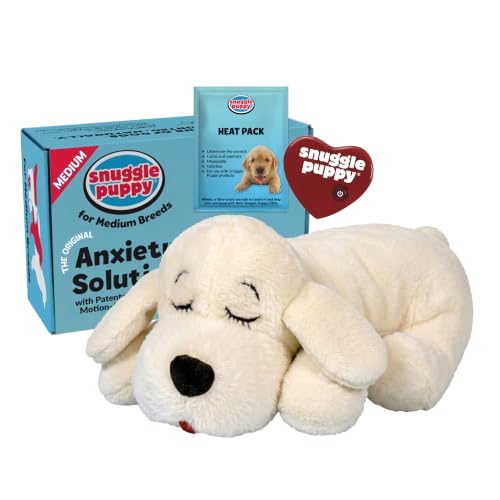
- Soothing Sounds: A white noise machine or a heart-beat simulator (often a toy) can mimic the sound of their mother's heart, which is incredibly comforting for a new puppy. Some dogs also respond well to classical music or "puppy sleep music."
- Crate Mats and Beds: A comfortable, durable bed is essential. Look for one that's easy to clean and fits your crate well. You can also look at specialized crates designed for easier cleaning and comfort.
A Sample Schedule for Nighttime Success
To help visualize the process, here is a sample nighttime schedule for an 8-week-old puppy. Adjust it to fit your family's routine and your puppy's age and needs.
- 7:00 PM: Pick up food and water bowls.
- 9:30 PM: Final potty break and bedtime (after some calm cuddles).
- 12:00 AM: Quiet, boring potty break. Return to crate immediately.
- 3:00 AM: Boring potty break (if needed. Your puppy might not need this at first).
- 6:30 AM: Wake up and immediately take outside for a morning potty break and a new, happy day!
Remember, this is a guideline, not a rigid law. Every puppy is different. The key is consistency. For more detailed advice on adjusting these schedules for your specific puppy, see our article on how to train a puppy not to cry in a crate.
A Final Word: Patience and Consistency
This phase will not last forever. It feels like an eternity when you are sleep-deprived, but with patience and consistency, your puppy will learn that their crate is a safe haven and the night is for sleeping. You are building the foundation for a lifetime of trust and companionship.
Celebrate the small victories: a night with a little less crying, a successful potty trip outside. Your calm, reassuring presence is the most powerful tool you have. For many new puppy owners, having a pre-made checklist of how to get my puppy to sleep in his crate can be a lifesaver during this challenging but rewarding time.