How to Train a Dog to Use a Pee Pad: A Complete Step-by-Step Guide
Master the art of indoor potty training. Whether you have a new puppy, a senior dog, or just need a reliable backup solution, this guide covers everything from choosing the right pad to troubleshooting common issues.
Training a dog to use a pee pad is one of the most practical skills you can teach. It provides a reliable indoor solution for apartment living, bad weather, or dogs with health conditions. This guide breaks down the process into clear, actionable steps so you can achieve success with minimal stress.
Before you start, understand that housebreaking a puppy or retraining an adult dog requires patience and consistency. The goal is to create a positive association with the pad, making it the preferred spot for your dog's bathroom needs.
Step-by-Step Training Process
Follow these steps to train your dog effectively. The process is similar for both puppies and adult dogs, though adult dogs may take a little longer to break old habits.
1 Choose the Right Pee Pad
Selecting the right pad is the foundation of successful training. Consider these factors:
- Size: Larger pads are better for big dogs and multiple uses.
- Absorbency: Look for leak-proof, multi-layer pads that lock in moisture.
- Attractant: Some pads come with a built-in scent to naturally draw your dog to them.
- Washable vs. Disposable: Washable pads are eco-friendly and cost-effective in the long run, while disposable ones offer convenience.
For a detailed comparison, check out our guide on dog pads.
2 Choose a Fixed Location
Consistency is key. Place the pad in a permanent, easy-to-access location. Avoid moving it around, as this confuses your dog. Ideal spots include:
- A quiet corner of a room, away from heavy foot traffic.
- Near a door if you plan to transition to outdoor potty later.
- An area with easy-to-clean flooring (tile, laminate, etc.).
Using a pad holder can help keep the pad in place and signal to your dog that this is the designated area.
3 Introduce Your Dog to the Pad
Initially, take your dog to the pad frequently and encourage them to sniff and explore. Use a command like "go potty" or "pad time" every time you place them on it. Positive reinforcement is crucial:
- Reward with high-value treats and praise immediately after they use the pad.
- Use a clicker or a marker word like "yes" to mark the behavior.
- Never scold your dog for accidents, as this can create anxiety.
For more on reward-based training, see our dog training basics.
4 Establish a Routine
Dogs thrive on routine. Take your dog to the pad at these key times:
- First thing in the morning and last thing at night.
- After meals, naps, and play sessions.
- Every 2-3 hours for puppies, or 4-6 hours for adult dogs.
Consistency builds muscle memory. Over time, your dog will naturally go to the pad when they need to relieve themselves.
Advanced Tips for Success
Use an Attractant Spray
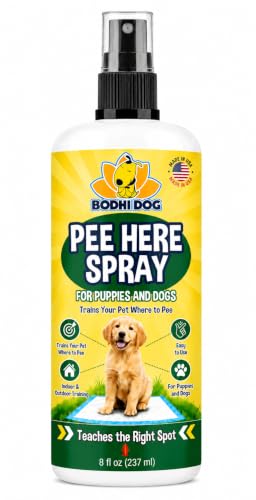
If your dog is reluctant to use the pad, an attractant spray can be very helpful. These sprays contain pheromones that encourage dogs to sniff and mark the area. Apply a small amount to the center of the pad to draw your dog's attention.
Gradually Reduce the Area
Once your dog is consistently using the pad, you can start to shrink the training area by folding the pad smaller or using a dog potty with a smaller surface. This reinforces precision and helps when transitioning to outdoor potty.
Transition to Outdoors
If you plan to eventually move your dog to outdoor potty, start by moving the pad closer to the door each day. Then, place it just outside the door and finally replace it with an outdoor spot. This gradual transition minimizes confusion.
Dealing with Accidents
Accidents will happen. Clean them up with an enzymatic cleaner to remove the smell completely. Never punish your dog, as this can create fear and set back training. Instead, reinforce the correct behavior with extra praise and treats.
Choosing the Right Pee Pad: A Comparison
| Feature | Disposable Pads | Washable Pads | Artificial Grass Pads |
|---|---|---|---|
| Cost | Low initial, recurring | Higher initial, low recurring | Medium initial, low recurring |
| Absorbency | High | Medium to High | Medium |
| Odor Control | Good | Good (with cleaning) | Good (with rinsing) |
| Eco-Friendly | No | Yes | Yes |
| Best For | Convenience, traveling | Long-term, cost-savings | Outdoor feel, large dogs |
For more options, explore our puppy pads and pad holders to find the best setup for your dog.
Common Mistakes to Avoid
- Moving the pad too often: Dogs are creatures of habit. Keep the pad in one spot to avoid confusion.
- Not using a holder: A pad holder prevents slipping and tearing, and establishes a defined potty area.
- Punishing accidents: This creates fear and can lead to secret soiling. Instead, redirect and reward correctly.
- Being inconsistent with the schedule: Regular trips to the pad are essential, especially in the early stages.
- Choosing the wrong size: A pad that is too small will not be used; it should be large enough for your dog to turn around on.
Troubleshooting Common Issues
Dog Won't Use the Pad
Try these fixes:
- Use an attractant spray or place a soiled pad under the new one.
- Make sure the pad is in a quiet, low-traffic area.
- Consider the pad type – some dogs prefer the texture of grass-like pads.
Dog Tears Up the Pad
Use a heavy-duty pad holder or opt for a washable pad that is more durable. Keep your dog engaged with puzzle toys to redirect destructive energy.
Dog Goes Right Next to the Pad
This often means the pad is either too small or not clean enough. Use a larger pad and clean the area thoroughly with an enzymatic cleaner to remove odors.
Older Dog With Poor Bladder Control
Place multiple pads in different locations or use a dog potty with a larger surface area. Consult your vet to rule out any underlying health issues.
Why Pee Pad Training is a Game-Changer
- Ideal for Apartments: Perfect for high-rise living where quick outdoor access isn't possible.
- Emergency Solution: In bad weather or during your absence, your dog has a reliable spot.
- Senior and Mobility-Impaired Dogs: A lifesaver for dogs with arthritis or other conditions that make walking difficult.
- Puppies and New Adoptions: Accelerates the housebreaking process and reduces stress for new dogs.
- Protects Your Floors: High-quality pads are leak-proof and save your carpets and wood floors from damage.
Our Top Picks for Pee Pad Training
Based on our research and user feedback, these products are highly recommended:
- Best Disposable Pads: We look for ultra-absorbent, leak-proof options with a built-in attractant.
- Best Washable Pads: Durable, machine-washable pads that save money and are better for the environment.
- Best Pad Holder: A sturdy holder keeps the pad in place and signals the training area.
- Best Artificial Grass System: For dogs that prefer an outdoor feel, these are excellent for long-term use.
Check out our puppy pads and pad holders sections for detailed reviews and recommendations.
Frequently Asked Questions
Ready to Start Training?
Pee pad training is a valuable skill that provides convenience and peace of mind. With the right approach, products, and a positive attitude, your dog will master it in no time. Remember to equip yourself with the best supplies from our dog supplies section to ensure a smooth training experience. Your patience today builds a better tomorrow for you and your furry friend.