How to Train a Puppy to Use a Litter Box
A complete step-by-step guide to litter box training your puppy, including essential supplies, troubleshooting, and expert tips for success.
Litter box training is a practical solution for many puppy owners. Whether you live in an apartment without easy outdoor access, have mobility challenges, or simply want a reliable backup for inclement weather, teaching your puppy to use a litter box offers convenience without sacrificing your puppy's comfort or hygiene. The litter box training process is straightforward when you understand puppy behavior and follow a consistent routine.
Unlike traditional potty training that requires going outside, litter box training leverages your puppy's natural instincts to choose a specific substrate for elimination. With patience and the right approach, you can have a well-trained puppy who reliably uses their litter box. This guide covers everything you need to know, from selecting the right supplies to troubleshooting common issues.
Why Litter Box Train Your Puppy?
Litter box training offers several advantages over traditional outdoor potty training, especially for owners with specific living situations. It provides a consistent, indoor solution that works in any weather, reduces the risk of your puppy picking up parasites from public spaces, and can be a lifesaver for elderly or disabled owners who cannot go outside frequently.
- Ideal for apartment living: No need to rush downstairs multiple times a day.
- Weather-proof solution: Keeps you and your puppy comfortable during rain, snow, or extreme heat.
- Helps with training: Establishes a clear, consistent location for elimination, which is key to successful potty training.
- Works for small breeds: Many small-breed puppies respond well to indoor solutions and can transition easily.
Important: Litter box training does not mean your puppy can never go outside. Many owners use it as a supplement or a backup method. The goal is to give your puppy a reliable, stress-free option for elimination.
Essential Litter Box Supplies
Choosing the right equipment is the first step to successful litter box training. The right supplies make the process easier for you and more comfortable for your puppy. Here is what you will need:
1 Litter Box
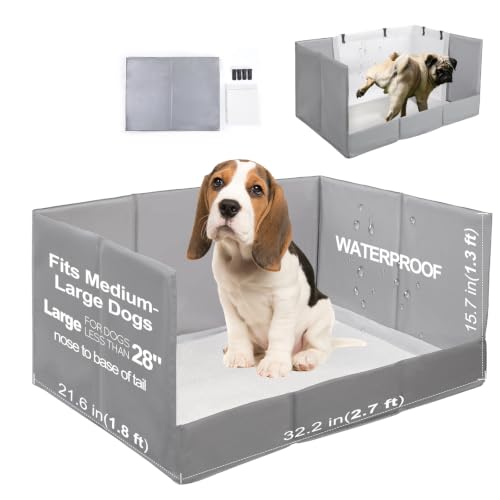
Select a sturdy, low-sided box that is easy for your puppy to climb into. For small breeds, a cat litter box may work, but larger puppies need a bigger option. Look for a box with a removable tray for easy cleaning.
2 Puppy-Safe Litter
Use litter specifically designed for dogs. Paper pellets (like Yesterday's News) or wood pellets are safe and absorbent. Avoid clumping cat litter, which can be dangerous if ingested.
3 Enzymatic Cleaner
An enzymatic cleaner breaks down urine and feces completely, removing odors that attract puppies back to the same spot. This is essential for preventing repeat accidents. You can find recommended options in our first aid kit guide.
4 High-Value Treats
Training is more effective with rewards. Use small, soft treats that your puppy loves to reinforce correct behavior. Treats should be given immediately after your puppy uses the litter box.
For a complete list of recommended products, including litter boxes and cleaning supplies, check out our product recommendations below.
Preparing the Space
Setting up the area correctly will help your puppy succeed. Choose a location that is easily accessible and away from their food and sleeping areas. Puppies instinctively avoid eliminating where they eat and sleep, so placing the litter box in a different part of the room is crucial.
- Location: Choose a quiet, low-traffic area. A corner of a room or a bathroom works well. Ensure the location is consistent.
- Accessibility: Make sure the litter box is easy to find. You might place your puppy on the box first thing in the morning and after meals.
- Size: The box should be large enough for your puppy to turn around comfortably. For growing puppies, consider a larger box.
- Cleanliness: Keep the box clean. Scoop solids daily and change the litter regularly to maintain hygiene and encourage use.
Pro Tip: Using a crate as part of your training can speed up the process. Puppies naturally avoid soiling their sleeping area, so a crate can help them develop bladder control before being taken to the litter box.
Step-by-Step Training Process
Training a puppy to use a litter box requires consistency and positive reinforcement. Follow these steps to set your puppy up for success.
- Introduce the box: Let your puppy sniff and explore the litter box. Reward any interest with a treat.
- Predict potty times: Puppies typically need to eliminate after waking up, after eating, after playing, and before bed. Take your puppy to the litter box at these times.
- Use a command: Introduce a command like "go potty" when you place your puppy in the box. This will help them associate the action with the word.
- Reward immediately: The moment your puppy finishes eliminating in the box, give a treat and praise. Timing is crucial — reward within 1-2 seconds.
- Handle accidents calmly: If you catch your puppy eliminating elsewhere, interrupt them with a gentle "no" and immediately take them to the litter box. Never punish — it creates fear.
- Clean accidents thoroughly: Use an enzymatic cleaner to remove all traces of urine or feces to prevent your puppy from returning to the same spot.
Consistency is key: Training typically takes 2-4 weeks. Stick to the routine, and your puppy will learn. For additional methods, explore our guide on pad and litter box combination training.
Common Challenges and Solutions
Even with the best efforts, you may encounter some challenges during training. Here are common issues and how to address them:
- Puppy avoids the box: Try placing a soiled paper towel inside to attract them. Ensure the box is clean but smells slightly familiar.
- Accidents outside the box: Evaluate whether you are taking your puppy to the box frequently enough. Increase the frequency and watch for signs like circling or sniffing.
- Puppy plays in the litter: Some puppies are curious. Provide alternative toys and gently redirect them. Consider a different type of litter.
- Reluctance after a negative experience: If your puppy was startled or punished near the box, they may develop a fear. Rebuild positive associations with treats and praise.
- Older dog training: While this guide focuses on puppies, older dogs can also be trained. The process is similar but may require more patience. Our outdoor training guide offers complementary techniques.
Expert Tips for Successful Litter Box Training
These expert tips can help you avoid common pitfalls and speed up the training process:
- Start early: Puppies are most adaptable between 8 and 12 weeks of age. Begin training as soon as you bring your puppy home.
- Keep a schedule: Take your puppy to the litter box at the same times every day to build a routine.
- Limit access: Until your puppy is reliable, restrict access to other areas of your home using baby gates or closed doors.
- Use a crate: A crate helps with bladder control and is a valuable tool in combination with the litter box.
- Be patient: Some puppies learn faster than others. Celebrate small successes and stay consistent.
- Gradually increase freedom: As your puppy's reliability improves, allow them more freedom in the house. Always return to the litter box schedule after play and meals.
For a broader perspective on indoor training, our guide to teaching your puppy to signal can be adapted for litter box use.
Frequently Asked Questions
Ready to Start Training?
Litter box training is a manageable process that offers long-term convenience for you and your puppy. With the right supplies, a consistent routine, and plenty of positive reinforcement, your puppy will be a pro in no time. Explore our recommended products below to get started.