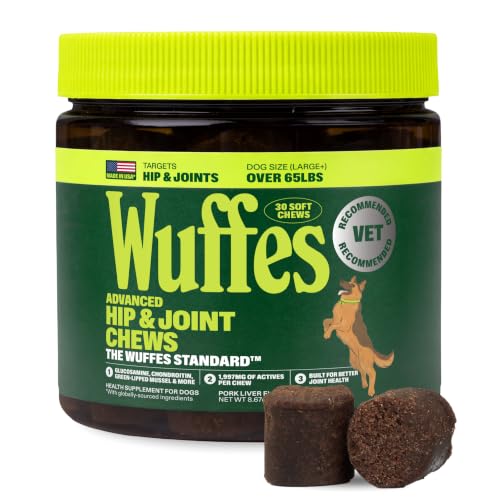
Joint Supplements for Dogs with Hip Dysplasia
If your dog has been diagnosed with hip dysplasia, you are likely looking for ways to keep them comfortable and mobile. Joint supplements are one of the most accessible tools available—but knowing which ingredients matter and how to use them properly makes all the difference.
Hip dysplasia is one of the most common orthopedic conditions in dogs, particularly affecting larger breeds like Labrador Retrievers, German Shepherds, and Golden Retrievers. It occurs when the hip joint doesn't develop properly, leading to looseness, abnormal wear, and eventually osteoarthritis [citation:12]. While genetics play a significant role, the condition's progression and severity can be influenced by weight, exercise, and nutritional support.
Joint supplements have become a standard part of conservative management for hip dysplasia. They are not a cure—no supplement can reshape a dysplastic hip—but the right combination of ingredients can help support cartilage health, manage inflammation, and improve your dog's comfort and mobility [citation:10][citation:13]. If you are also exploring other supportive products for your dog's overall well-being, you may find our guide to dog vitamins helpful for understanding complementary nutritional support.
Understanding Hip Dysplasia in Dogs
Before choosing a supplement, it helps to understand what is happening inside your dog's hip joint. In a healthy hip, the ball of the femur fits snugly into the socket of the pelvis. In hip dysplasia, the joint is loose—the ball and socket don't align properly, causing friction, wear, and eventually arthritis [citation:3][citation:12].
Dogs with hip dysplasia may show signs like difficulty rising, reluctance to jump, stiffness after rest, a "bunny-hopping" gait when running, or decreased muscle mass in the hind legs [citation:3]. Some dogs show few signs until arthritis develops later in life, while others show discomfort early. The severity of symptoms does not always match the severity of X-ray changes, which is why treatment decisions should be based on your dog's comfort and function, not just imaging [citation:10].
Important: Hip dysplasia is a structural condition. Supplements support joint health but cannot correct the underlying anatomy. They are most effective when combined with weight management, appropriate exercise, and veterinary care.
How Joint Supplements Help Dogs with Hip Dysplasia
Joint supplements work through several mechanisms that are relevant to dysplastic hips. They provide building blocks for cartilage maintenance, help moderate inflammation within the joint, and support the production of synovial fluid that lubricates the joint [citation:15].
It is important to set realistic expectations. Supplements are not pain relievers in the way that NSAIDs are—they will not provide immediate relief during a flare-up. Instead, they work gradually over weeks to support the joint environment. Veterinary guidance from sources like Cornell University and the MSD Veterinary Manual emphasizes that supplements are a supportive measure, best used alongside other management strategies [citation:3][citation:12].
Many veterinarians recommend starting joint support early, particularly for breeds predisposed to hip dysplasia, before significant arthritis develops. If you have a German Shepherd or another large breed with a family history of hip issues, proactive supplementation may be worth discussing with your vet.
Key Ingredients That Matter for Hip Dysplasia
Not all joint supplements are created equal. The ingredients and their concentrations determine whether a product is likely to provide meaningful support. Here are the core components to look for:
Glucosamine
A natural compound found in healthy cartilage. It supports the production of glycosaminoglycans, which help cartilage retain water and maintain its cushioning properties. Most veterinary joint supplements include glucosamine hydrochloride or glucosamine sulfate. Typical effective doses in research range from 250 mg to 750 mg per day depending on dog size [citation:1].
Chondroitin
Works alongside glucosamine to support cartilage structure and inhibit enzymes that break down cartilage. Often paired with glucosamine in veterinary formulations. Look for products that clearly state the chondroitin content rather than hiding it in a proprietary blend [citation:1][citation:4].
MSM (Methylsulfonylmethane)
A source of organic sulfur that supports connective tissue function. MSM is valued for its anti-inflammatory properties and its role in reducing joint pain and stiffness. Many combination formulas include MSM alongside glucosamine and chondroitin for a broader approach [citation:1][citation:8].
Green-Lipped Mussel
A natural source of glucosamine and omega-3 fatty acids with anti-inflammatory properties. Native to New Zealand, green-lipped mussel is included in many premium joint formulas for its dual support of cartilage and inflammation [citation:1][citation:17].
Omega-3 Fatty Acids (Fish Oil)
EPA and DHA from fish oil help reduce inflammatory signaling associated with osteoarthritis. Omega-3s are one of the most evidence-supported nutritional interventions for joint comfort. They may be included in joint supplements or given separately as a fish oil supplement [citation:15].
Turmeric / Curcumin
A natural anti-inflammatory that has gained popularity in veterinary joint support. Curcumin, the active compound in turmeric, may help reduce swelling and discomfort. Look for formulas that include black pepper extract or enhanced absorption technology for better bioavailability [citation:1][citation:2].
Eggshell Membrane (NEM)
Contains naturally occurring glycosaminoglycans, collagen, and other joint-support compounds. Some studies suggest it may help improve joint mobility and relieve pain within the first week or two of use. Found in some premium joint formulas [citation:2].
Collagen & Hyaluronic Acid
Collagen supports the structural integrity of joint tissues, while hyaluronic acid is a component of synovial fluid that helps lubricate the joint. These ingredients are increasingly common in comprehensive joint formulas, though evidence for their specific benefit in dogs is still developing [citation:2][citation:15].
Comparing Supplement Types for Hip Dysplasia
Joint supplements for dogs come in several forms, each with practical trade-offs for daily use. The right choice depends on your dog's size, preferences, and your routine.
| Type | Best For | Practical Considerations |
|---|---|---|
| Soft Chews | Most dogs, especially picky eaters | Palatable and easy to dose. Often contain glucosamine, chondroitin, MSM, and green-lipped mussel. Check for artificial preservatives if your dog has sensitivities. |
| Tablets | Dogs that accept pills or can take them crushed in food | Often more cost-effective per dose for large dogs. Some tablets are chewable; others may need to be hidden in food or given with a pill pocket. |
| Powders | Large dogs or multi-dog households | Easy to adjust dose precisely and mix into food. Odorless and tasteless options exist, making them good for dogs who refuse chews. Require measuring and can be messy. |
| Liquids | Senior dogs or dogs with dental issues | Easy to administer over food or directly into the mouth. Often include omega-3s alongside joint ingredients. Requires refrigeration after opening and has a shorter shelf life. |
| Prescription Diets | Dogs needing comprehensive nutritional support | Diets formulated with joint-support nutrients (glucosamine, chondroitin, omega-3s) built in. Ideal for dogs who cannot take separate supplements or who need a complete dietary approach. |
Many owners find that a combination approach works best—for example, a daily soft chew with glucosamine and chondroitin, plus a separate fish oil supplement for omega-3s. Just be careful not to duplicate ingredients unnecessarily, which can cause stomach upset and make it harder to identify what is helping [citation:15].
How to Choose the Right Supplement
With so many products on the market, it helps to have a framework for evaluation. These criteria can guide your decision:
- Look for third-party testing or veterinary approval. Supplements are not regulated like pharmaceuticals. Products that carry a veterinary approval or are formulated specifically for veterinary use tend to have better quality control and clearer labeling [citation:15].
- Check the ingredient amounts, not just the ingredient list. A product that lists glucosamine but provides only a token amount is not going to provide meaningful support. Look for guaranteed analysis or clear dosing information on the label.
- Match the formula to your dog's needs. A young dog with mild hip laxity may benefit from a foundational glucosamine-chondroitin formula. A senior dog with established arthritis may need additional MSM, omega-3s, and turmeric for inflammation support.
- Consider your dog's size and dosing convenience. Large dogs require higher doses, which can make chews expensive. Powders or tablets may be more practical for giant breeds.
- Avoid unnecessary fillers and allergens. If your dog has food sensitivities, check for ingredients like chicken, beef, or grains that may cause reactions. Our guide to hydrolyzed protein dog food may be helpful if your dog has concurrent dietary allergies.
- Introduce gradually and monitor. Start with the recommended dose for the first 4-6 weeks (some products recommend a loading period), then assess. Keep notes on your dog's mobility, willingness to move, and overall comfort.
Pro Tip: Before purchasing any supplement, take a photo of the label and share it with your veterinarian. They can quickly flag ingredients that may interact with your dog's medications or health conditions, and confirm whether the dosage is appropriate for your dog's weight.
Beyond Supplements: A Complete Approach to Hip Dysplasia
Supplements are one piece of the puzzle. Dogs with hip dysplasia benefit most from a multi-modal approach that addresses weight, exercise, comfort, and the home environment.
Weight Management
Keeping your dog lean is arguably the single most impactful thing you can do for hip dysplasia. Excess weight increases the load on already compromised joints and accelerates arthritis. Your veterinarian can help you determine an ideal body condition score and calorie target. If your dog needs to lose weight, our guide to dry dog food for weight loss can help you choose an appropriate diet.
Appropriate Exercise
Moderate, consistent exercise maintains muscle mass that supports the hip joint. Avoid high-impact activities like jumping or intense fetch on hard surfaces. Controlled leash walks, swimming, and gentle incline walking are often recommended. A physical therapist can design a safe exercise plan tailored to your dog's condition.
Home Environment
Provide soft, supportive bedding to cushion joints during rest. Use ramps or steps for furniture and vehicles to reduce jumping. Keep floors non-slip with rugs or mats, especially if your dog has weakness in the hind legs. A supportive dog bed with orthopedic foam can make a meaningful difference for dogs who struggle to get comfortable.
Veterinary Care
Regular check-ups allow your vet to monitor progression and adjust the plan. If supplements and lifestyle management are not enough, your vet may discuss pain medications, physical therapy, or surgical options. For dogs with severe hip dysplasia, procedures like total hip replacement can be life-changing, though they are a significant decision that requires specialist consultation [citation:19].
When to Call Your Vet: If your dog's mobility suddenly worsens, they stop eating, show signs of pain when touched, or seem unable to rise, contact your veterinarian promptly. These changes may indicate a flare-up that needs medical management or a new issue such as a cruciate ligament injury, which is common in dogs with hip dysplasia [citation:6].
Frequently Asked Questions
The Bottom Line
Joint supplements are a practical, low-risk tool for supporting dogs with hip dysplasia—but they are not a replacement for veterinary care, weight management, and thoughtful exercise. The most effective approach combines a quality supplement containing evidence-supported ingredients with a complete care plan tailored to your dog's individual needs. If you are also considering complementary products for your dog's overall health, our guide to dog products covers a range of supplies that support comfort and mobility.