Large Breed Puppy Food for Sensitive Stomach & Diarrhea
Everything you need to know about choosing the right food for your giant puppy with digestive sensitivities. From ingredients to feeding schedules, we cover it all.
Bringing home a large breed puppy is an exciting journey, but it comes with unique challenges — especially when your giant pup has a sensitive stomach. Large breed puppies grow at a rapid pace, and their developing digestive systems can be easily upset by the wrong food, sudden changes, or even stress. If your large breed puppy is experiencing frequent diarrhea or digestive discomfort, you're not alone. Many owners of German Shepherds, Great Danes, Labradors, and Golden Retrievers face these challenges.
This comprehensive guide is designed to help you navigate the complexities of large breed puppy food specifically formulated for sensitive stomachs and diarrhea. We'll break down the science of what causes digestive issues, what ingredients to look for, how to transition your puppy safely, and which products are worth your investment. By the end, you'll have the confidence to make an informed decision that supports your puppy's health and sets them up for a long, active life.
Why This Matters: Large breed puppies are more susceptible to digestive issues due to their rapid bone and muscle growth. A digestive upset not only causes discomfort but can also interfere with nutrient absorption — potentially affecting their growth plates and long-term joint health. Choosing the right food is one of the most important decisions you can make as a large breed dog owner.
Understanding Sensitive Stomachs in Large Breed Puppies
Before diving into product recommendations, it's crucial to understand what "sensitive stomach" actually means in the context of large breed puppies. Unlike small breeds, large breed puppies have a unique physiology — their digestive tracts are developing alongside their rapidly growing bones and muscles, making them more vulnerable to dietary imbalances.
Common Causes of Diarrhea and Digestive Upset
- Dietary Changes: Switching foods too quickly or introducing new treats can disrupt the delicate balance of your puppy's gut microbiome. Always transition gradually over 7-10 days.
- Food Intolerances and Allergies: Large breed puppies can be sensitive to common ingredients like corn, wheat, soy, and artificial preservatives. Some may also have protein sensitivities to chicken or beef.
- Stress and Anxiety: New environments, separation from littermates, or changes in routine can trigger stress-induced colitis, leading to diarrhea and stomach upset.
- Parasites and Infections: Puppies are more susceptible to intestinal parasites and bacterial infections that cause gastrointestinal distress. Regular deworming and veterinary check-ups are essential.
- Eating Inappropriate Items: Puppies explore the world with their mouths. Ingesting grass, dirt, or foreign objects can cause diarrhea and vomiting.
When to See a Vet: If your puppy has persistent diarrhea (more than 24 hours), bloody stool, vomiting, lethargy, or loss of appetite, contact your veterinarian immediately. These could be signs of a more serious condition like parvovirus or a severe infection.
Key Ingredients to Look For
When you're scanning the ingredient list of a puppy food, it's easy to get overwhelmed. Here's a cheat sheet of what to look for — and what to avoid — when your large breed puppy has a sensitive stomach.
Ingredients That Help
- Easily Digestible Proteins: Look for named meat sources like salmon, lamb, turkey, or chicken meal. Novel proteins like duck or venison can be beneficial if your puppy has a protein allergy.
- Prebiotics and Probiotics: These support a healthy gut microbiome, aiding digestion and reducing diarrhea. Look for ingredients like chicory root, dried Bacillus coagulans, or fermented products.
- Fiber Sources: Pumpkin, sweet potato, and oatmeal are gentle on the stomach and provide soluble fiber to firm up stool. These ingredients are also rich in vitamins and minerals.
- Healthy Fats: Omega-3 and Omega-6 fatty acids from fish oil or flaxseed support skin and coat health while providing anti-inflammatory benefits — important for growing joints.
- Complex Carbohydrates: Brown rice, barley, and peas provide slow-release energy without spiking blood sugar. They're generally easier to digest than simple carbs like white rice or corn.
Ingredients to Avoid
- Artificial Preservatives and Colors: BHA, BHT, and artificial dyes can trigger allergic reactions and digestive upset. Opt for natural preservatives like mixed tocopherols (vitamin E).
- Fillers: Corn, wheat, and soy are common fillers that offer little nutritional value and are frequent allergens for sensitive puppies.
- By-Products: Generic "meat meal" or "poultry by-products" lack transparency and can be harder to digest. Look for named sources like "chicken meal" or "salmon meal."
- High-Fat Content: While fat is essential, too much can overwhelm a sensitive stomach and contribute to pancreatitis. Aim for a moderate fat level (around 12-16%) from quality sources.
- Excessive Protein: While large breed puppies need more protein, excessively high levels (above 30%) can be hard on the kidneys and digestive tract. Aim for a balanced 22-28% protein content.
Top Food Recommendations for Sensitive Stomachs
Based on extensive research and real-world reviews, these are the top products available in 2026 for large breed puppies with sensitive stomachs. We've analyzed their ingredient profiles, nutritional breakdowns, and user feedback to help you make the right choice.
| Product | Protein Source | Key Sensitive Stomach Features | Price (Approx.) |
|---|---|---|---|
| Hill's Science Diet Large Breed Puppy Sensitive Stomach & Skin | Chicken Meal & Brown Rice | Prebiotic fiber, vitamin E, no artificial colors/flavors | $65 |
| Purina Pro Plan Large Breed Puppy Sensitive Skin & Stomach | Salmon & Rice | Omega-3 fatty acids, probiotics, easily digestible formula | $58 |
| Royal Canin Large Puppy Gastrointestinal | Chicken & Rice | High digestibility proteins, prebiotics, EPA/DHA for brain health | $72 |
| Blue Buffalo Basics Large Breed Puppy | Turkey & Potato | Limited ingredient, no chicken, corn, wheat, or soy | $60 |
| Wellness CORE Large Breed Puppy | Deboned Chicken & Brown Rice | Probiotics, antioxidants, and omega fatty acids | $55 |
These products have been specifically formulated to address the nutritional needs of large breed puppies while being gentle on sensitive digestive systems. Prices are estimates and may vary by retailer. Always consult with your veterinarian before making a change, especially if your puppy has existing health conditions.
How to Transition Your Puppy Safely
Transitioning your large breed puppy to a new food is a process that requires patience. A sudden change can exacerbate diarrhea and stomach upset, defeating the purpose of switching to a sensitive stomach formula. Here's a step-by-step approach that minimizes stress on your puppy's digestive system.
- Start Slow: Begin by mixing 25% of the new food with 75% of the old food. Maintain this ratio for 2-3 days, monitoring for any signs of digestive distress.
- Increase Gradually: If all is well, increase to a 50/50 mix for another 2-3 days. Continue monitoring stool consistency and overall behavior.
- Move to 75/25: Increase the new food to 75% and reduce the old to 25% for 2-3 days. At this point, you should see improvement in stool quality if the new food is a good fit.
- Full Transition: After about 7-10 days, you can switch completely to the new food. If at any point diarrhea or vomiting returns, slow down the transition by spending more days at the current ratio.
Additional Tips: Consider adding a high-quality probiotic supplement to support your puppy's gut health during the transition. Probiotics for dogs can help restore the balance of beneficial bacteria and ease the transition process. Always keep fresh, clean water available, as proper hydration is essential when dealing with diarrhea.
What to Do If Diarrhea Persists
Even with the best food choices, some large breed puppies may continue to experience digestive issues. Here's a step-by-step action plan if your puppy's diarrhea doesn't resolve after transitioning to a sensitive stomach food.
- Consult Your Vet: Rule out underlying health issues such as parasites, bacterial infections, or pancreatitis. A fecal exam can identify parasites, while blood work may reveal other concerns.
- Consider a Limited Ingredient Diet: If your puppy has a food allergy, a limited ingredient diet with a novel protein source (e.g., duck, venison) may be necessary.
- Check Feeding Habits: Ensure your puppy isn't eating too much too quickly. Slow feeder bowls can prevent gulping air, which can cause gas and bloating, often mistaken for food sensitivity.
- Review Treats and Supplements: Sometimes, treats or supplements are the culprit. Eliminate all non-essential items and reintroduce them one at a time to identify the problem.
- Manage Stress: Create a calm, predictable environment for your puppy. Stress-induced colitis is common, and a soothing routine can make a significant difference.
Homemade Options: In some cases, your vet may recommend a temporary bland diet of boiled chicken and rice. However, this is not nutritionally complete for long-term use. For a safe, long-term alternative, look into vet-recommended homemade dog food options, but always under veterinary supervision.
Long-Term Health Considerations
Choosing the right food for your large breed puppy is about more than just managing diarrhea — it's about setting the foundation for a lifetime of good health. Here are some long-term factors to keep in mind.
Joint Health
Large breed puppies are prone to joint issues like hip dysplasia and elbow dysplasia. Foods rich in glucosamine, chondroitin, and omega-3 fatty acids support healthy joint development and can delay the onset of arthritis. Many sensitive stomach formulas incorporate these nutrients.
Weight Management
Maintaining a healthy weight is critical for large breed dogs. Extra pounds put stress on growing joints and can exacerbate digestive issues. Choose a food with controlled calorie density and regular feeding times to prevent overeating.
As your puppy grows, their nutritional needs will change. Transitioning to an adult large breed food around 12-18 months of age is a crucial step. Look for formulas that continue to support joint health and digestive balance, such as large breed dog food options that offer the same sensitive stomach benefits as their puppy counterparts.
Expert Tips and Insights
We've consulted with veterinary nutritionists and experienced large breed dog owners to bring you these actionable insights for managing your puppy's sensitive stomach.
- Invest in a Slow Feeder Bowl: Large breed puppies often eat too quickly, swallowing air that leads to gas and bloating. A slow feeder bowl encourages slower eating, reducing digestive stress.
- Monitor Water Intake: Ensure your puppy drinks enough water, especially when dealing with diarrhea. Dehydration is a serious risk, and fresh, clean water should always be available.
- Maintain a Consistent Feeding Schedule: Feeding at the same times each day helps regulate your puppy's digestive system. Avoid skipping meals or varying portion sizes.
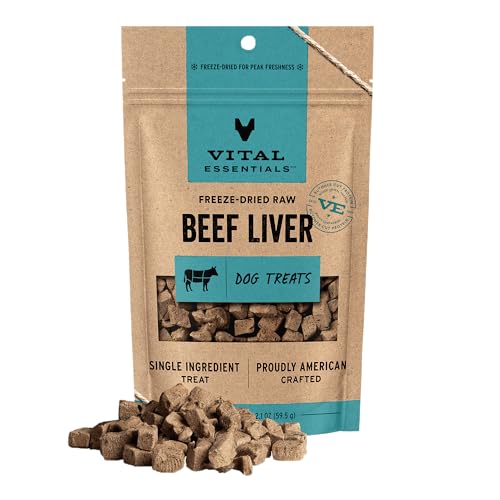
- Limit High-Fat Treats: Avoid fatty treats like bacon or table scraps, which can trigger pancreatitis. Stick to sensitive stomach-friendly treats like plain pumpkin puree or freeze-dried meat.
- Practice Good Hygiene: Wash food and water bowls daily to prevent bacterial growth. Keep your puppy's living area clean to minimize exposure to pathogens that can cause diarrhea.
Remember: Every puppy is unique. What works for one large breed may not work for another. Be patient, keep a food diary, and communicate closely with your veterinarian. With the right approach, you can find a food that keeps your puppy happy, healthy, and free from digestive distress.
Frequently Asked Questions
Ready to Make a Choice?
You've done the research, you understand the ingredients, and you know how to transition safely. The next step is to choose the best large breed puppy food for your sensitive giant. Scroll down to see our curated selection of top-rated products, and feel confident that you're making a decision that supports your puppy's health and happiness.