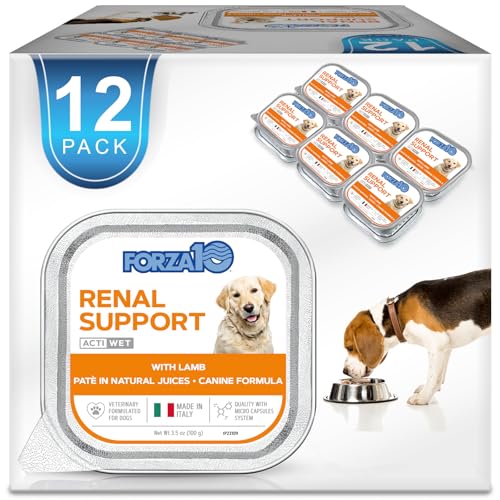
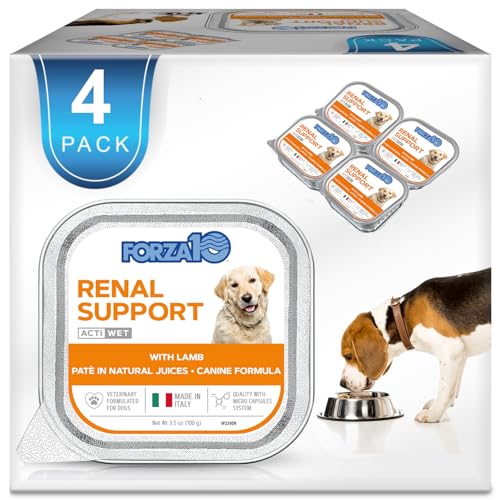
Vet-Recommended Homemade Dog Food for Kidney Disease
Support your dog's kidney health with balanced, homemade meals. This guide covers vet-approved recipes, key ingredients, and nutritional strategies to manage renal disease.
Kidney disease is a common condition in older dogs, and nutrition plays a critical role in managing it. A homemade diet tailored to your dog's specific needs can help reduce the workload on the kidneys, slow disease progression, and improve quality of life. This guide provides vet-recommended recipes, ingredient guidelines, and practical tips for feeding your dog with kidney disease.
Why Choose Homemade Food for Kidney Disease?
Commercial renal diets are effective, but some dogs refuse them or have multiple food sensitivities. Homemade food allows you to control every ingredient, avoid allergens, and customize the nutrient profile. With guidance from a veterinary nutritionist, you can create a diet that is both palatable and therapeutically beneficial.
Benefits of Homemade Renal Diets
- Precise control over phosphorus and protein levels
- Use of fresh, whole ingredients
- Ability to adjust for individual taste preferences
- Elimination of artificial additives and preservatives
Key Nutrients for Renal Health
A kidney-friendly diet focuses on reducing the workload on the kidneys while providing essential nutrients. Here's what to consider:
| Nutrient | Role in Renal Health | Recommended Sources |
|---|---|---|
| Phosphorus | High levels can accelerate kidney damage | Low-phosphorus proteins (egg whites, chicken breast) |
| Protein | High-quality, controlled amounts to reduce waste | Lean meats, eggs, fish |
| Sodium | Excess sodium can increase blood pressure | Fresh, unprocessed foods; avoid added salt |
| Omega-3 Fatty Acids | Anti-inflammatory, support kidney function | Fish oil, flaxseed oil |
| B-Vitamins | May be depleted in kidney disease | Supplements, nutritional yeast |
Vet-Approved Homemade Recipes
These recipes are formulated to meet the nutritional needs of dogs with kidney disease. Always consult your veterinarian before starting any new diet.
Basic Renal Support Recipe
Ingredients:
- 1 lb lean ground turkey or chicken breast
- 1 cup cooked white rice
- 1/2 cup steamed zucchini
- 2 tbsp fish oil
- 1/4 tsp calcium carbonate (for phosphorus control)
Instructions: Cook protein thoroughly, mix with rice and vegetables, add oil and calcium. Serve at room temperature.
~$5.00/day
Egg White & Vegetable Blend
Ingredients:
- 4 large egg whites (cooked)
- 1/2 cup boiled sweet potato
- 1/4 cup steamed green beans
- 1 tbsp flaxseed oil
- 1/4 tsp potassium supplement (if recommended)
Instructions: Chop egg whites and vegetables, mix with oil and supplement. Serve as a meal or topper.
~$3.50/day
Fish & Quinoa Renal Diet
Ingredients:
- 6 oz cooked white fish (cod, tilapia)
- 1/2 cup cooked quinoa
- 1/4 cup steamed carrots
- 1 tbsp olive oil
- 1/2 tsp bone meal alternative (calcium citrate)
Instructions: Flake fish, combine with quinoa and carrots, add oil and calcium supplement. Serve fresh.
~$4.20/day
Essential Supplements for Kidney Disease
Homemade diets may lack certain nutrients, so supplementation is often necessary. Work with your vet to determine the right supplements and dosages.
- Omega-3 Fatty Acids: Help reduce inflammation and support kidney function. Look for high-quality fish oil.
- B-Complex Vitamins: Water-soluble vitamins that may be lost due to increased urination.
- Potassium: Some dogs with kidney disease require potassium supplementation to maintain normal levels.
- Calcium Carbonate: Used as a phosphate binder to control phosphorus absorption.
- Probiotics: Support digestive health, which can be affected by dietary changes.
Important: Never supplement without veterinary guidance. Over-supplementation can be harmful.
Foods to Avoid
Certain ingredients can worsen kidney disease or interfere with treatment. Avoid these in your homemade recipes:
- High-Phosphorus Foods: Organ meats (liver, kidney), bone meal, sardines, dairy products.
- High-Sodium Foods: Processed meats, canned vegetables, table salt, cheese.
- High-Protein Meats: Red meats in large quantities; focus on lean poultry and fish.
- Toxic Foods: Grapes, raisins, onions, garlic, chocolate, xylitol.
How to Transition Your Dog to Homemade Food
A sudden dietary change can cause digestive upset. Follow this gradual transition plan over 7–10 days:
- Days 1–3: Replace 25% of current food with homemade recipe.
- Days 4–6: Increase to 50% homemade, 50% previous food.
- Days 7–9: Increase to 75% homemade.
- Day 10: Feed 100% homemade.
Monitor your dog for any signs of gastrointestinal distress, such as vomiting or diarrhea. If symptoms occur, slow the transition and consult your vet.
Monitoring Your Dog's Health
Regular veterinary check-ups are essential when feeding a homemade renal diet. Your vet will monitor:
- Bloodwork: BUN, creatinine, phosphorus, potassium, and total protein levels.
- Hydration: Ensure your dog has constant access to fresh water.
- Weight: Unintentional weight loss can be a sign of inadequate nutrition.
- Appetite: A decrease in appetite may indicate the diet needs adjustment.
When to See Your Vet
Contact your vet immediately if you notice lethargy, vomiting, diarrhea, decreased appetite, or any sudden changes in behavior.
Frequently Asked Questions
Ready to start your dog on a kidney-friendly homemade diet?
This guide provides the foundation, but every dog is unique. Work with your veterinarian to tailor these recipes to your dog's specific needs. The right diet can make a significant difference in your dog's quality of life.