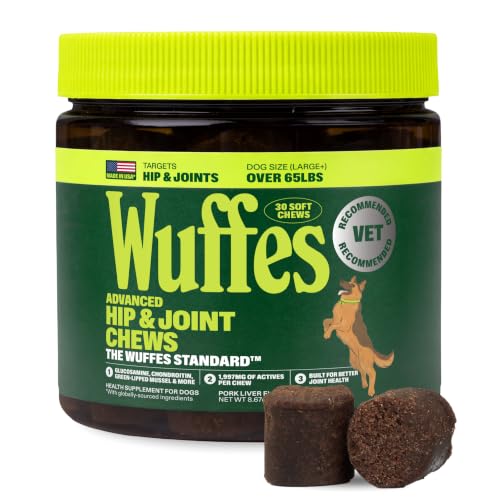
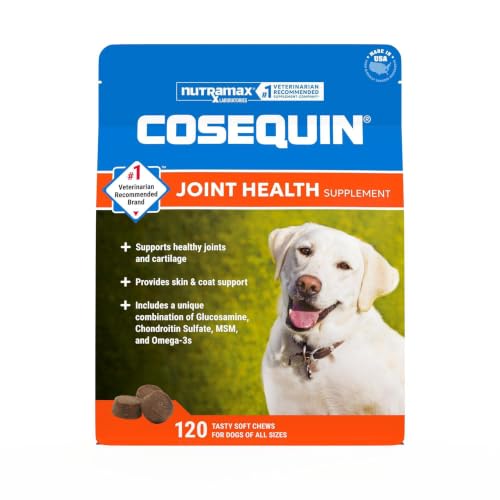
Vet Recommended Glucosamine and Chondroitin for Dogs
Joint disease affects millions of dogs, especially large breeds and seniors. Learn what veterinarians actually recommend about glucosamine and chondroitin—the evidence, the right dosage, and how to choose a supplement that supports your dog's mobility.
If your dog is slowing down on walks, hesitating on stairs, or showing stiffness after rest, you may have already started researching joint supplements. Among the most widely recommended options are glucosamine and chondroitin for dogs—two natural compounds that veterinarians have relied on for decades to support cartilage health and mobility.
But the Internet is full of conflicting information. Some sources call these ingredients miracle workers. Others dismiss them as expensive placebos. The truth, as is often the case, lies somewhere in between. This guide cuts through the noise with evidence-based information so you can make a confident decision for your dog.
Why Joint Health Matters for Dogs
Joint disease is one of the most common chronic conditions in dogs. By age eight, an estimated 80% of large-breed dogs show some degree of osteoarthritis on X-rays [citation:16]. Hip dysplasia affects roughly 15–20% of Labrador Retrievers, and conditions like elbow dysplasia are endemic in breeds such as Rottweilers and Bernese Mountain Dogs [citation:16].
The problem is that cartilage—the cushioning tissue between bones—does not regenerate. Once it wears down, it is gone. This is why proactive joint support matters so much, especially for dogs genetically predisposed to joint problems. For a deeper look at how joint supplements fit into a broader care strategy, see our guide on vet recommended hip and joint supplements for dogs.
Key Point: Joint supplements are not painkillers. They do not work like NSAIDs (such as carprofen) that provide rapid relief. Instead, they supply building blocks that may help maintain cartilage and slow its degradation over time. Think of them as long-term support, not emergency treatment.
What the Science Says About Glucosamine and Chondroitin
The evidence for glucosamine and chondroitin in dogs is mixed—but it is not absent. Understanding the nuances helps you set realistic expectations.
The Positive Evidence
A randomized, double-blind, positive-controlled trial published in The Veterinary Journal evaluated a glucosamine hydrochloride and chondroitin sulfate combination in 35 dogs with confirmed osteoarthritis of the hips or elbows. Dogs treated with the combination showed statistically significant improvements in pain scores, weight-bearing, and overall condition severity by day 70 [citation:15]. The onset of response was slower than with carprofen, but the improvement was real.
Another study of 29 dogs receiving a combined supplement containing glucosamine (500 mg), chondroitin (400 mg), omega-3 fatty acids, MSM, and vitamin E found that the treatment group experienced less pain and increased mobility compared to placebo over 12 weeks [citation:7].
The Skeptical View
A literature review of 22 articles found positive chondroprotective effects in only about half of the evaluations (14 out of 25; 56%). The review also noted that these supplements did not appear to adequately suppress subchondral bone changes, synovial inflammation, or osteophyte formation [citation:7]. One review concluded that glucosamine should not be prescribed for osteoarthritis in dogs due to lack of efficacy.
What does this mean for you? It means glucosamine and chondroitin are not a guaranteed solution. But for many dogs—particularly those in the early stages of joint disease or at high risk due to breed—they represent a low-risk option that may provide modest benefits. Veterinarians typically recommend them as one component of a multimodal plan that includes weight management, controlled exercise, and other therapies.
Veterinary Perspective: Most veterinarians who recommend joint supplements do so because the risk of harm is low, the potential benefit is real for some dogs, and there are few better alternatives for long-term cartilage support. The key is to pair supplements with proven interventions: keeping your dog lean, providing low-impact exercise, and using pain medication when needed.
Glucosamine and Chondroitin Explained
To choose the right supplement, you need to understand what these ingredients actually do.
Glucosamine
Glucosamine is an amino sugar that serves as a building block for glycosaminoglycans (GAGs)—the structural proteins in cartilage and synovial fluid. The theory is that supplementing glucosamine provides chondrocytes (cartilage cells) with the raw materials they need to rebuild damaged tissue [citation:16]. Most veterinary products use glucosamine hydrochloride, though glucosamine sulfate is also available.
Chondroitin Sulfate
Chondroitin is a glycosaminoglycan that gives cartilage its resistance to compression. It also inhibits enzymes that break down cartilage, meaning it works both structurally and as an anti-degradation agent [citation:16]. Chondroitin and glucosamine are almost always used together because the combination has better clinical support than either alone.
Quality Matters More Than Quantity
Not all chondroitin is created equal. Pharmaceutical-grade chondroitin from reputable manufacturers is significantly purer than the bulk ingredient in many cheaper supplements. Look for products that carry the National Animal Supplement Council (NASC) Quality Seal or have independent third-party testing. Well-established brands tend to provide transparency about sourcing and clinical research, which helps veterinarians confidently recommend them for long-term use [citation:4].
Other ingredients commonly paired with glucosamine and chondroitin include MSM (methylsulfonylmethane), which may help reduce inflammation; green-lipped mussel, which provides natural omega-3s and cartilage-supporting compounds; and omega-3 fatty acids, which help counter joint inflammation [citation:4].
Dosage Guidelines for Dogs
Dosage is the question owners ask most, and the one labels answer worst. Dosing by chew count assumes all dogs metabolize the same way, which is why a 25-pound dog and a 110-pound dog can eat the same number of chews and receive wildly different concentrations.
General guidelines from veterinary sources suggest the following daily glucosamine doses [citation:16]:
| Dog Weight | Daily Glucosamine | Typical Chondroitin Ratio |
|---|---|---|
| Under 25 lbs | 250–500 mg | Roughly half to two-thirds of glucosamine dose |
| 25–50 lbs | 500–1,000 mg | Roughly half to two-thirds of glucosamine dose |
| 50–100 lbs | 1,000–1,500 mg | Roughly half to two-thirds of glucosamine dose |
| Over 100 lbs | 1,500–2,000 mg | Roughly half to two-thirds of glucosamine dose |
Many products recommend a loading dose—double the maintenance amount—for the first 4–6 weeks, then reducing to the standard dose. This is based on the observation that it takes time for these compounds to accumulate in joint tissues. Always confirm the dosage with your veterinarian, especially if your dog has health conditions or takes other medications.
For dogs with advanced joint disease, your vet may recommend a higher-quality or more concentrated formula. Our guide on dog vitamins can help you understand how joint support fits into a broader supplement routine.
How Veterinarians Choose Joint Supplements
When veterinarians evaluate joint supplements, they prioritize several factors [citation:4]:
- Evidence-backed ingredients: Products with scientifically supported formulations and third-party testing offer an extra layer of assurance. Look for key actives like glucosamine, chondroitin, MSM, green-lipped mussel, and omega-3 fatty acids.
- Brand reputation: The NASC Quality Seal indicates that the company follows strict testing and manufacturing guidelines. Well-established brands tend to provide transparency about sourcing and clinical research.
- Form and palatability: Chews and soft treats are often the most popular formats for daily use because dogs typically view them as rewards. Powders or capsules can be useful for picky eaters or dogs with dietary restrictions.
- Your dog's medical history: Age, breed, activity level, weight, and overall health influence which supplement will provide the most benefit. Dogs with allergies, sensitive stomachs, or chronic illnesses may require additional consideration.
For a curated selection of products that meet these criteria, explore our dog products section. If you are also managing other age-related issues, our guide on vet approved homemade senior dog food recipes may be helpful for supporting overall health.
Practical Tip: Start with a product that clearly lists the exact amount of each active ingredient per serving. Avoid products with vague labels like "joint health complex" that do not reveal how much glucosamine or chondroitin is actually included. Transparent labeling is a hallmark of quality brands.
Which Dogs Benefit Most from Glucosamine and Chondroitin
Not every dog needs joint supplements. But certain groups are more likely to benefit from proactive support:
- Large and giant breeds: Golden Retrievers, Labrador Retrievers, German Shepherds, and similar breeds carry more body weight, which puts greater stress on joints. They are at higher risk for hip and elbow dysplasia.
- Senior dogs: As dogs age, cartilage naturally wears down and joint fluid decreases. Starting a supplement in middle age (around 5–7 years, depending on breed size) can help support remaining cartilage.
- Dogs with diagnosed osteoarthritis or hip dysplasia: These dogs have confirmed joint disease and may benefit from the cartilage-protective effects of glucosamine and chondroitin as part of a multimodal pain management plan.
- Overweight dogs: Excess weight significantly increases the load on joints. A joint supplement combined with a weight loss plan is more effective than either alone.
- Dogs recovering from joint surgery: Supplements may help protect cartilage during the recovery period, though this should always be discussed with your surgeon.
If your dog is a large breed puppy, be cautious about starting joint supplements too early without veterinary guidance. Rapid growth can be affected by many factors, and unnecessary supplementation may do more harm than good. For general puppy care, see our puppy guide.
Side Effects and Safety Considerations
Glucosamine and chondroitin are generally considered safe for dogs when used as directed. Side effects are uncommon and typically mild:
- Gastrointestinal upset: The most common side effect is mild GI upset in the first days of use—loose stool, mild gas, or a temporary appetite dip. Administering with food usually resolves this.
- Shellfish allergy: Glucosamine is often derived from shellfish. If your dog has a known shellfish allergy, choose a product with a non-shellfish source or consult your vet before use.
- Blood thinner interactions: Chondroitin may interact with anticoagulant medications. If your dog is on blood thinners, do not start a joint supplement without veterinary approval.
- Other medication interactions: Some sources advise caution when combining joint supplements with certain NSAIDs or insulin. Always tell your vet about all supplements and medications your dog is taking.
If your dog experiences persistent diarrhea, vomiting beyond the first week, or any new skin reaction, stop the supplement and call your veterinarian. For general safety guidance, see our dog first aid kit recommendations.
Frequently Asked Questions
Final Thoughts
Vet recommended glucosamine and chondroitin for dogs are not a cure for arthritis, and they will not make an older dog run like a puppy again. But for many dogs—especially those at risk for joint disease—they represent a safe, evidence-supported option for long-term cartilage support. The most important things you can do for your dog's joints are keep them lean, provide appropriate low-impact exercise, and work with your veterinarian to address pain when it occurs. Joint supplements are one piece of that puzzle, not the whole picture.