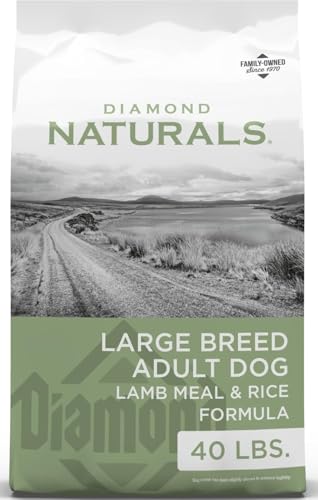
The Complete Guide to Large Breed Dog Food
Everything you need to know about feeding your large or giant breed dog — from nutritional needs and best ingredients to feeding schedules and top food recommendations.
What Is Large Breed Dog Food?
Large breed dog food is specially formulated to meet the unique nutritional requirements of dogs that weigh 50–100+ pounds when fully grown. Unlike standard adult dog food, these formulas carefully balance calcium and phosphorus levels, control caloric density, and include ingredients that support joint health. The goal is to promote steady, moderate growth in puppies and maintain lean muscle mass in adults while preventing obesity — which is a major concern for large dogs.
Large breed dog food isn't just "more food." It's scientifically designed to address the skeletal, digestive, and metabolic challenges that bigger dogs face. Whether you have a Great Dane, a Rottweiler, or a Siberian Husky, choosing the right food can make a significant difference in their quality and length of life.
Nutritional Needs of Large & Giant Breeds
Large breed dogs have different nutritional demands compared to smaller dogs. Here are the key differences:
Calcium & Phosphorus Balance
Excess calcium can cause skeletal problems in growing large breed puppies. Large breed puppy foods contain carefully controlled calcium levels (around 1.0–1.5% dry matter) to prevent developmental orthopedic disease.
Lower Caloric Density
Large breed foods are slightly less calorie-dense to prevent rapid growth and obesity. This helps maintain a healthy body condition score, reducing stress on joints.
High-Quality Protein
Protein levels are moderate (around 22–28%) to support lean muscle mass without overloading the kidneys. Animal-based proteins like chicken, lamb, or salmon are preferred.
Joint Support
Glucosamine, chondroitin, and omega-3 fatty acids are often added to support joint health, which is critical for large breeds prone to hip dysplasia and arthritis.
Key Takeaway: Large breed dog food is not just a marketing gimmick. The right formula supports controlled growth, maintains a healthy weight, and protects joints. Feeding a large breed puppy regular puppy food can lead to serious skeletal problems.
Key Ingredients to Look For
When choosing a large breed dog food, reading the ingredient list is essential. Here’s what to prioritize:
- Named Animal Protein as First Ingredient: Look for "chicken," "beef," "lamb," or "salmon" — not "meat meal" or "poultry by-product meal."
- Whole Grains or Healthy Carbs: Brown rice, barley, oats, and sweet potatoes provide energy and fiber. Avoid foods with excessive corn, wheat, or soy.
- Omega Fatty Acids: Sources like fish oil, flaxseed, or chia seeds support skin, coat, and joint health.
- Glucosamine & Chondroitin: These natural compounds support cartilage health and are particularly important for large breeds.
- Probiotics & Prebiotics: Digestive health is crucial for large dogs, who are prone to bloat and gastric issues.
- Avoid Artificial Additives: Skip foods with artificial colors, flavors, or preservatives like BHA, BHT, and ethoxyquin.
Pro Tip: If your large breed dog has a sensitive stomach, consider a sensitive stomach dog food or a limited ingredient diet. These formulas often feature novel proteins and easily digestible carbohydrates, which can be a game-changer for dogs with food intolerances.
Feeding Schedules & Portions
Feeding a large breed dog correctly is about more than just what you feed — it's also about how and when you feed. Here are evidence-based guidelines:
- Puppy Feeding: Large breed puppies should eat 3–4 meals per day until 6 months, then transition to 2 meals per day. Controlled portions prevent rapid growth, which can lead to joint issues. Always follow the feeding guidelines on the bag, but adjust based on your puppy's body condition.
- Adult Feeding: Adult large dogs do best with 2 measured meals per day. Splitting portions reduces the risk of bloat, a life-threatening condition that's more common in deep-chested breeds.
- Senior Feeding: As dogs age (usually 7+ years for large breeds), their metabolism slows. A senior dog food with lower calories and added joint support is often recommended.
- Portion Control: Use a measuring cup or scale to ensure accurate portions. Overfeeding is the #1 cause of obesity in large dogs. You should be able to feel your dog's ribs with light pressure.
Bloat Alert: Large, deep-chested breeds (Great Danes, German Shepherds, Dobermans) are at higher risk of gastric dilatation-volvulus (GDV). To reduce risk, feed 2 smaller meals instead of one large meal, avoid exercise for 1 hour before and after eating, and consider a preventive gastropexy if recommended by your vet.
Health Conditions & Prevention
Large breed dogs are susceptible to specific health issues that can be influenced by diet. Proper nutrition is a first line of defense.
- Hip Dysplasia & Elbow Dysplasia: Common in large breeds. Controlled growth, proper calcium levels, and maintaining a lean body weight reduce the risk. Joint supplements can also help.
- Osteoarthritis: The wear-and-tear on large dog joints is significant. Omega-3 fatty acids and glucosamine can help manage inflammation and support cartilage.
- Pancreatitis: High-fat meals can trigger pancreatitis in susceptible dogs. Choose a low-fat dog food if your dog has a history of pancreatic issues.
- Obesity: Extra weight puts enormous stress on joints and organs. Large breed dog foods are formulated to be less calorie-dense, helping your dog feel full without overeating.
If your large breed dog is experiencing digestive problems, a probiotic supplement or a novel protein diet may help. Always consult your vet before making significant dietary changes.
Large Breed Dog Food Comparison
To help you make an informed decision, here's a comparison of top-rated large breed dog food formulas available in 2026. Prices are approximate and based on average retail costs for a 30-pound bag.
| Brand | Protein Source | Key Benefits | Price (30 lbs) |
|---|---|---|---|
| Hill's Science Diet | Chicken & Barley | Balanced nutrition, clinically proven antioxidants, joint support | $65 |
| Royal Canin | Chicken & Rice | Breed-specific formulas, digestive health, dental care | $70 |
| Purina Pro Plan | Salmon & Rice | High protein, live probiotics, glucosamine for joints | $55 |
| Orijen | Fresh Chicken, Turkey & Fish | Biologically appropriate, high protein, whole prey ingredients | $85 |
| Wellness CORE | Deboned Chicken & Turkey | Grain-free option, high protein, omega-3 support | $60 |
| Blue Buffalo | Chicken & Brown Rice | LifeSource Bits (antioxidants), natural ingredients, no by-products | $58 |
Note: Prices may vary by retailer and location. Always compare the cost per pound, not just the bag price. A higher-priced food with better ingredient quality may be more cost-effective in the long run by reducing vet bills.
Frequently Asked Questions
Final Thought: Choosing the right large breed dog food is one of the most important decisions you'll make for your dog's health. By understanding their unique nutritional needs, reading ingredient lists carefully, and following proper feeding guidelines, you can help your large companion live a longer, healthier, and more active life. If you're still unsure, don't hesitate to consult your veterinarian for personalized recommendations based on your dog's breed, age, and health status.