Senior Dog Food Guide: Choosing the Best Nutrition for Your Aging Dog
As your dog enters their golden years, their nutritional needs shift. This comprehensive guide helps you select the best senior dog food to support their health, mobility, and vitality.
Just like humans, dogs experience significant physiological changes as they age. Their metabolism slows, digestive efficiency decreases, and they become more susceptible to chronic conditions like arthritis, kidney disease, and cognitive decline. The right senior dog food is not just about feeding an older dog; it's about proactively managing these changes to extend their healthy years.
According to veterinary nutritionists, the nutritional needs of a senior dog are distinctly different from those of an adult or puppy. Feeding your aging dog the wrong diet can accelerate health problems, while the right diet can mitigate them. This guide will walk you through everything you need to know to make an informed choice.
Why Senior Dogs Need Specialized Nutrition
As dogs age, their bodies undergo changes that require dietary adjustments. The most common issues include a slowing metabolism (leading to weight gain), decreased muscle mass, less efficient digestion, and a weakened immune system. Additionally, many senior dogs suffer from dental issues that can make eating difficult. A senior-specific dog food guide addresses these challenges with tailored formulations.
Common Age-Related Changes
- Metabolic slowdown: Requires fewer calories but higher nutrient density to prevent obesity while maintaining muscle.
- Joint degeneration: Needs increased glucosamine and chondroitin for cartilage support and joint health.
- Cognitive decline: Benefits from antioxidants (like vitamins E and C, and flavonoids) and omega-3 fatty acids to support brain function.
- Dental issues: May need softer food textures to make eating comfortable and enjoyable.
- Reduced kidney function: Often requires precise phosphorus levels to support renal health.
Did You Know?
Senior dogs (over 7 years old) are the fastest-growing segment of the pet population. Veterinary experts recommend switching to a senior-specific diet around age 7 for small breeds, and as early as 5-6 years for giant breeds.
Key Nutrients for Senior Dogs
When choosing a senior dog food, you should prioritize certain nutrients that directly support the health of an aging dog. Here are the most critical ones to look for:
- High-Quality Animal Protein: Essential for maintaining muscle mass, which declines with age. Look for named meat sources like chicken, salmon, or lamb as the first ingredient. Recent studies suggest seniors need more protein, not less.
- Glucosamine & Chondroitin: These natural compounds support joint cartilage and can help manage arthritis symptoms. Many premium joint supplements for dogs include these, and senior foods often have them added.
- Omega-3 Fatty Acids (EPA/DHA): Found in fish oils, these have powerful anti-inflammatory properties that help with arthritis, skin health, and cognitive function.
- Fiber (Soluble and Insoluble): Prebiotic fibers like chicory root support digestive health and can help with common senior issues like constipation.
- Antioxidants (Vitamins C, E, and Beta-Carotene): Help combat oxidative stress, which is linked to aging and cognitive decline.
- Controlled Phosphorus Levels: Important for dogs with or at risk for kidney disease, as excess phosphorus can strain the kidneys.
Pro Tip: Always check the "Guaranteed Analysis" panel on the dog food label. Ensure the food meets AAFCO standards for the senior life stage. If your dog has a specific health condition, consult your vet for a tailored recommendation.
What to Look For (and Avoid) in Senior Dog Food
Navigating pet food labels can be confusing. Here's a simple guide to help you separate high-quality options from those with unnecessary fillers.
✅ Look For
- Named protein source: "Chicken," "Salmon," or "Beef" as the first ingredient.
- Whole grains or vegetables: Brown rice, barley, oats, or sweet potatoes provide healthy carbohydrates and fiber.
- Added supplements: Glucosamine, chondroitin, probiotics, and omega-3s.
- Limited artificial additives: Natural preservatives like mixed tocopherols (vitamin E) are preferred.
❌ Avoid
- Generic meat meals: "Meat meal" or "poultry meal" are low-quality sources.
- High levels of fillers: Corn, wheat, and soy as primary ingredients offer little nutritional value.
- Artificial colors, flavors, or preservatives: BHA, BHT, and ethoxyquin are linked to health concerns.
- Excessive salt or sugar: Used as a flavor enhancer but can be harmful to senior dogs.
Top Senior Dog Food Brands
Based on veterinary recommendations and ingredient quality, here are some of the best senior dog food brands available. These brands are known for their commitment to high-quality nutrition and scientifically backed formulations.
- Hill's Science Diet Senior 7+: A vet-recommended formula with balanced nutrition and antioxidant benefits for healthy aging. Good for all breeds.
- Royal Canin Senior 8+: Available in breed-specific and size-specific formulas, this food is designed to support joint and heart health in older dogs.
- Purina Pro Plan Bright Mind Senior: Contains enhanced botanical oils to support cognitive function in aging dogs. A great option for brain health.
- Blue Buffalo Life Protection Senior: Features real meat, whole grains, and the company's exclusive antioxidant-rich LifeSource Bits for overall health.
- Wellness CORE Senior: A grain-free, high-protein option for seniors who need to maintain lean muscle. Includes added glucosamine and chondroitin.
- Nutro Ultra Senior: Made with a blend of chicken, lamb, and salmon for a protein-rich diet, plus fiber and supplements for senior needs.
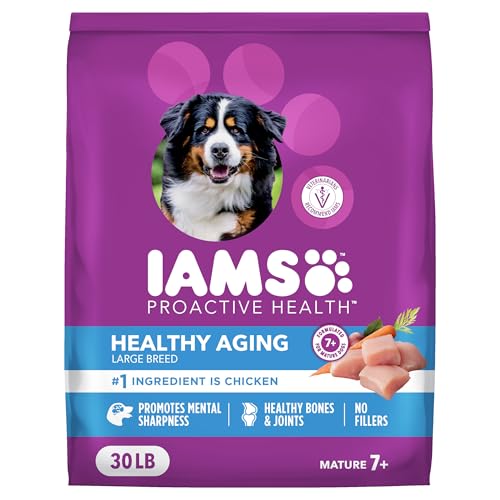
- Iams ProActive Health Senior: A budget-friendly option that still includes high-quality ingredients and added joint supplements.
- Merrick Grain-Free Senior: Focuses on high protein and healthy fats with added glucosamine for joint support.
Remember, the "best" brand can vary based on your dog's individual taste, size, and health conditions. Always introduce new food slowly and monitor your dog's response.
Wet vs. Dry: Which is Better for Senior Dogs?
Both wet dog food and dry dog food have their advantages for senior dogs. The choice often depends on your dog's specific needs and preferences.
Wet Food (Canned)
- High moisture content: Helps with hydration, which is important for kidney health.
- Easier to chew and swallow: Ideal for dogs with dental issues or missing teeth.
- Palatable: Often more appealing to picky eaters.
- More expensive per calorie.
- Requires refrigeration after opening.
Dry Food (Kibble)
- Convenient and cost-effective.
- Supports dental health: The crunching action can help reduce plaque and tartar.
- Easier to measure and store.
- Longer shelf life.
- May be difficult for dogs with severe dental problems.
Best of Both Worlds: Many veterinarians recommend a combination of wet and dry food for senior dogs. You can mix them to provide hydration, palatability, and dental benefits. If your dog has dental issues, consider soft dry dog food for dogs with bad teeth.
How to Transition Your Dog to Senior Food
Switching your dog's food suddenly can cause digestive upset. A gradual transition over 7-10 days is recommended to allow your dog's digestive system to adjust.
- Day 1-2: Mix 25% new senior food with 75% old food.
- Day 3-5: Mix 50% new food with 50% old food.
- Day 6-8: Mix 75% new food with 25% old food.
- Day 9-10: Feed 100% new senior food.
Monitor your dog for signs of digestive issues like diarrhea or vomiting. If these occur, slow down the transition process. Also, consider using probiotics for dogs during the transition to support gut health. Always ensure fresh water is available.
Special Dietary Needs for Senior Dogs
Some senior dogs have specific health conditions that require specialized diets. Here are common scenarios and food recommendations:
- Kidney Disease: Look for a vet-recommended homemade dog food for kidney disease or commercial foods with controlled phosphorus and moderate protein.
- Pancreatitis: A low-fat dog food is essential to prevent flare-ups. Fat content should be below 10% on a dry matter basis.
- Food Allergies: Consider a limited ingredient dog food or a novel protein dog food to identify and avoid allergens.
- Sensitive Stomach: Look for sensitive stomach dog food with easy-to-digest ingredients and added prebiotics.
- Weight Management: If your senior dog is overweight, choose a senior formula that is lower in calories and higher in fiber to promote satiety.
Frequently Asked Questions About Senior Dog Food
Final Takeaway
Choosing the right senior dog food is one of the most impactful decisions you can make for your aging companion. By focusing on high-quality protein, joint supplements, and essential fatty acids, you can help manage the effects of aging and provide your dog with a comfortable, healthy, and vibrant golden age. Always consult your vet for personalized advice, and remember that transitioning slowly is key to success. Your dog has given you years of love and loyalty; now is the time to return the favor with the best nutrition possible.