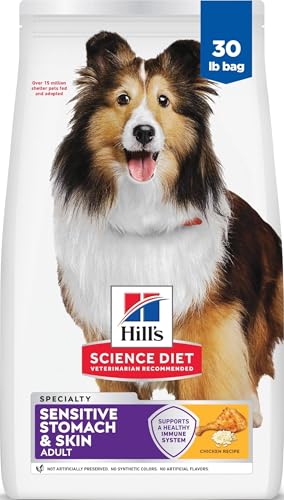
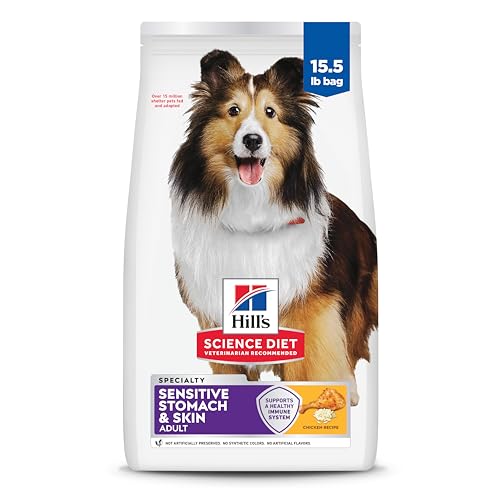
Sensitive Stomach Dog Food: The Complete Guide
Understanding your dog's digestive issues and finding the right food can transform their health. This guide covers everything from symptoms to top diet choices.
Is your dog frequently suffering from vomiting, diarrhea, or excessive gas? These could be signs that your dog has a sensitive stomach. Choosing the right sensitive stomach dog food is the first and most important step toward helping your canine companion feel better. In this comprehensive guide, we'll cover everything you need to know about selecting the best diet for digestive health.
Digestive issues in dogs are more common than many pet owners realize. Whether it's a food allergy, intolerance, or a more chronic condition like inflammatory bowel disease, the right nutrition can make a world of difference. This guide will help you understand your dog's specific needs and make an informed decision about their diet.
Signs Your Dog Has a Sensitive Stomach
Recognizing the symptoms of a sensitive stomach is the first step toward finding a solution. While occasional digestive upset can happen, chronic or frequent issues are a clear sign that something is wrong with your dog's diet.
- Recurrent vomiting – especially shortly after eating or in the morning
- Chronic diarrhea or loose stools – soft, unformed, or watery poops
- Excessive gas and bloating – persistent flatulence and a distended abdomen
- Loss of appetite or picky eating – refusing meals or showing disinterest in food
- Weight loss – despite a normal or increased appetite
- Lethargy or low energy – tiredness that can't be explained by lack of exercise
- Chronic ear infections or skin problems – often linked to food sensitivities
- Frequent throwing up yellow foam in the morning – a sign of bile reflux or an empty stomach
Important: If your dog shows any of these symptoms persistently, especially bloody diarrhea or severe lethargy, consult your veterinarian immediately. These can be signs of more serious conditions that require prompt medical attention.
Common Causes of Digestive Upset in Dogs
Understanding what causes your dog's sensitive stomach can help you choose the right food and feeding strategy. Here are the most common culprits:
- Food allergies or intolerances: Dogs can develop allergies to specific proteins (beef, chicken, dairy) or grains (wheat, corn, soy). These reactions often manifest as digestive issues, skin problems, or both. A novel protein dog food or limited ingredient dog food can be helpful here.
- Sudden diet changes: Abruptly switching food without a gradual transition is one of the most common causes of stomach upset in dogs. A proper transition over 7-10 days is essential.
- Overfeeding or underfeeding: Giving too much food at once can overwhelm the digestive system, while going too long between meals can cause bile buildup and nausea.
- Low-quality ingredients: Fillers like corn, wheat, and soy are difficult for many dogs to digest and provide little nutritional value.
- Pancreatitis: Inflammation of the pancreas is often triggered by high-fat meals. Dogs with this condition benefit from a low-fat dog food.
- Stress and anxiety: Just like in humans, stress can affect a dog's digestive system. Changes in routine, travel, or loud noises can trigger digestive upset.
Key Ingredients to Look For in Sensitive Stomach Dog Food
When choosing a food for your dog's sensitive stomach, focus on high-quality, easily digestible ingredients. The right formulation can soothe the digestive tract and provide complete nutrition without triggering issues.
Highly Digestible Proteins
Look for named protein sources like salmon, chicken, turkey, or lamb that are easily broken down. Novel proteins like venison or duck are great for dogs with allergies to common proteins.
$50–$80Prebiotic Fibers
Ingredients like chicory root, beet pulp, or inulin feed the beneficial bacteria in the gut. This supports a healthy microbiome and improves stool quality.
$45–$75Probiotics
Some foods include live beneficial bacteria to support digestive health directly. You can also add a separate probiotic supplement for dogs to boost gut flora.
$55–$90Limited Ingredients
Fewer ingredients mean fewer potential triggers. These formulas are ideal for elimination diets and for dogs with multiple food sensitivities.
$60–$100Hydrolyzed Protein
Proteins are broken down into tiny pieces that the immune system doesn't recognize. This hydrolyzed protein dog food is often recommended for dogs with severe allergies.
$70–$120Omega Fatty Acids
Healthy fats like fish oil help reduce inflammation in the gut and support a healthy coat. They are especially beneficial for dogs with concurrent skin issues.
$50–$85Ingredients to Avoid for Sensitive Stomachs
Just as important as what to include is what to exclude. These ingredients are common triggers for digestive issues and should be avoided when possible.
- Artificial colors, flavors, and preservatives: These offer no nutritional value and can be irritating to the digestive system.
- Corn, wheat, and soy: Common fillers that are difficult for many dogs to digest. They are also frequent allergens.
- By-products and unnamed meat meals: Low-quality protein sources that can be hard on the stomach and don't provide consistent nutrition.
- High-fat content: Excess fat can lead to pancreatitis and digestive upset. Stick to foods with moderate fat levels.
- Dairy products: Many dogs are lactose intolerant and cannot digest milk, cheese, or yogurt properly.
- Excessive sugars or sweeteners: These can disrupt the gut microbiome and cause gas and diarrhea.
Types of Sensitive Stomach Dog Food
The market offers several types of food designed for dogs with digestive issues. Understanding the differences helps you choose the best option for your dog's specific needs.
| Type | Best For | Key Features | Typical Price |
|---|---|---|---|
| Limited Ingredient Diet | Dogs with multiple food sensitivities | Single protein source, minimal carbohydrate source, simple formula | $60–$90 |
| Novel Protein Diet | Dogs with allergies to common proteins | Uses unusual proteins like venison, duck, or kangaroo | $70–$110 |
| Hydrolyzed Protein Diet | Dogs with severe allergies or IBD | Proteins broken down to tiny, non-allergenic pieces | $90–$140 |
| Low-Fat Diet | Dogs with pancreatitis or fat intolerance | Reduced fat content to ease digestion | $50–$80 |
| High-Fiber Diet | Dogs with constipation or fiber-responsive colitis | Added fiber sources like beet pulp or pumpkin | $45–$75 |
| Large Breed Puppy Food | Growing large breed puppies with sensitive stomachs | Balanced nutrition for growth, gentle on the stomach | $55–$85 |
How to Transition Your Dog to a New Food
Switching your dog's food too quickly is a leading cause of digestive upset. A gradual transition gives your dog's digestive system time to adjust to the new ingredients and prevents gastrointestinal distress.
Follow this step-by-step transition guide for the best results:
- Days 1-2: Mix 25% new food with 75% old food. This first small introduction allows the digestive system to begin adapting.
- Days 3-4: Mix 50% new food with 50% old food. The stomach and gut are beginning to adjust to the new ingredients.
- Days 5-6: Mix 75% new food with 25% old food. Most dogs do well at this stage with little to no digestive upset.
- Days 7-10: 100% new food. By this point, your dog's digestive system has fully adapted to the new diet.
Pro Tip: If your dog experiences any vomiting or diarrhea during the transition, slow down the process. Go back to the previous ratio for a few more days before increasing the new food again.
Feeding Tips for Better Digestion
Even the best food won't solve all stomach issues if you're not feeding it correctly. These practical feeding tips can dramatically improve your dog's digestive health.
- Maintain consistent meal times: Feeding at the same times each day regulates the digestive system and prevents bile buildup that can cause morning sickness.
- Use a slow feeder dog bowl: Eating too quickly can cause gulping air, leading to gas and bloat. Slow feeders force your dog to eat at a healthy pace.
- Avoid giving table scraps: Human food can be rich and fatty, often triggering digestive upsets. Stick to your dog's designated food.
- Provide plenty of fresh water: Proper hydration is essential for healthy digestion. Always ensure your dog has access to clean water.
- Consider adding probiotics: A daily probiotic supplement for dogs can support gut health and improve stool quality.
- Keep portion sizes appropriate: Overfeeding puts stress on the digestive system. Follow the feeding guide on the package and adjust based on your dog's activity and body condition.
Common Mistakes to Avoid
Even well-meaning dog owners make mistakes when managing a sensitive stomach. Here are the most common pitfalls and how to avoid them.
- Switching foods too quickly: A sudden change can cause severe diarrhea and vomiting. Always transition over at least 7 days.
- Choosing grain-free automatically: Grain-free isn't always better. Some dogs digest grains like rice and oatmeal very well.
- Ignoring the ingredient list: Marketing claims can be misleading. Always read the full ingredient list and nutritional information.
- Not giving enough time for the new diet to work: It can take 4-6 weeks to see improvements on a new diet, especially for skin and coat issues.
- Skipping the vet: If you suspect a serious condition like pancreatitis, parvo, or IBD, a veterinary diagnosis is essential before making dietary changes.
- Over-supplementing: Adding too many supplements or toppers can upset the balance of a complete diet and cause digestive issues.
Still having trouble? If you've tried multiple sensitive stomach diets and your dog is still having digestive issues, consider consulting a veterinary nutritionist. They can help create a specialized diet plan or recommend a vet-recommended homemade dog food recipe tailored to your dog's specific needs.