The Complete Guide to Low Fat Dog Food
Support your dog's weight management, digestive health, and pancreatitis recovery with expert-approved low-fat nutrition. Learn what to look for and how to transition safely.
Low fat dog food is not just a trend — it's a medically necessary diet for many dogs. Whether your dog is struggling with excess weight, has been diagnosed with pancreatitis, or needs to manage a sensitive digestive system, reducing dietary fat is one of the most effective interventions you can make.
This guide covers everything you need to know: what "low fat" really means, how to read labels, which dogs benefit most, and how to transition your dog to a lower-fat diet without stress. If you're looking for the best low-fat dog food options, we've also curated a list of top-rated products from Amazon to help you get started.
What Is Low Fat Dog Food?
Low fat dog food contains significantly less fat than standard adult maintenance diets. The fat content is typically measured as "dry matter" — the percentage of fat after moisture is removed from the food. For a food to be considered low fat, it should contain less than 10% fat on a dry matter basis (roughly 5-6% as-fed). Many veterinary-prescribed low-fat diets contain 5-8% dry matter fat, making them ideal for dogs with pancreatitis or severe weight management needs.
Key fat thresholds:
• Standard adult dog food: 12-18% dry matter fat
• Low fat dog food: 5-10% dry matter fat
• Ultra-low fat (therapeutic): ≤ 5% dry matter fat
Which Dogs Need a Low Fat Diet?
Not every dog needs low fat food. However, for certain health conditions, it's essential. The primary candidates include:
- Dogs with pancreatitis: Fat triggers inflammation of the pancreas. A low-fat diet is the cornerstone of managing this condition and preventing flare-ups.
- Overweight or obese dogs: Fat contains more than twice the calories per gram of protein or carbohydrates. Reducing fat helps create a calorie deficit without reducing meal volume.
- Dogs with hyperlipidemia: Elevated blood fat levels (cholesterol and triglycerides) respond well to dietary fat reduction.
- Senior dogs with reduced activity: Older dogs often need fewer calories to maintain a healthy weight. Low-fat food helps avoid obesity-related joint issues.
- Dogs with gastrointestinal disorders: Some dogs have trouble digesting fat, leading to diarrhea and malabsorption. Low-fat diets are easier on the gut.
Always consult your veterinarian before switching to a low-fat diet, especially if your dog has an underlying condition. For dogs with inflammatory bowel disease (IBD) or chronic digestive upset, a low-fat diet may be part of a broader management plan.
How to Read a Low Fat Dog Food Label
Pet food labels can be confusing. Here's what to look for when choosing a low-fat food:
Guaranteed Analysis
Look for the minimum crude fat percentage. For low-fat food, it should be ≤ 10% as-fed (remember to adjust for moisture). Many quality low-fat foods list 5-8%.
Also check fiber content (3-5%) — moderate fiber helps with satiety and digestion.
Ingredient List
Protein should be the first ingredient — named meat like "chicken", "turkey" or "fish". Avoid generic "animal fat" or "poultry fat". Look for whole grains or vegetables as carbohydrate sources, not excessive fillers.
If you're considering a homemade diet, read our guide on vet-recommended homemade options — but always work with a veterinary nutritionist to ensure balance.
Low Fat Dog Food Comparison
To help you make an informed choice, here's a comparison of popular low-fat dog food options. Prices are approximate and based on current market averages.
| Brand | Protein Source | Fat (as-fed) | Fiber | Price (30-lb bag) |
|---|---|---|---|---|
| Hill's Prescription Diet i/d Low Fat | Chicken | 5.5% | 3.8% | $85 |
| Royal Canin Gastrointestinal Low Fat | Chicken & Pork | 6.0% | 4.2% | $92 |
| Purina Pro Plan Veterinary Diets EN | Chicken & Rice | 5.8% | 3.5% | $78 |
| Wellness CORE Digestive Health Low Fat | Turkey & Salmon | 7.0% | 4.0% | $65 |
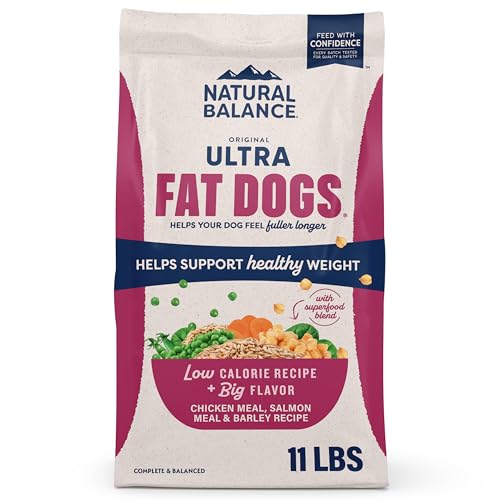
| Natural Balance Fat Dogs Low Calorie | Chicken & Brown Rice | 6.5% | 5.0% | $55 |
For small breeds or dogs with dental issues, consider soft dry options that are also low in fat.
How to Transition Your Dog to Low Fat Food
Switching to a low-fat diet too quickly can cause digestive upset. Follow this 7-day transition plan:
- Days 1-2: 75% old food, 25% new low-fat food. Monitor for any changes in stool consistency.
- Days 3-4: 50% old, 50% new. If your dog has diarrhea, slow down the transition.
- Days 5-6: 25% old, 75% new. By now, your dog should be accepting the new food.
- Day 7: 100% new low-fat food. Continue to monitor weight and energy levels over the next few weeks.
Pro Tip: During transition, add a probiotic supplement to support gut health. Probiotics can reduce the risk of diarrhea when changing foods.
If your dog refuses to eat the new food, you can try mixing in a small amount of warm water or low-sodium broth to enhance aroma. For picky eaters, see our tips on managing picky eaters.
Low Fat Treats & Supplements
Treats should account for no more than 10% of your dog's daily calories, even on a low-fat diet. Look for treats with less than 3g fat per 100 calories. Some safe options include:
- Carrot sticks, green beans, or cucumber slices — naturally low in fat and calories.
- Commercial low-fat treats — check the label; many "diet" or "light" treats have 1-2g fat per treat.
- Homemade treats — baked chicken breast or dehydrated sweet potato are great alternatives.
If your dog is on a low-fat diet due to pancreatitis, avoid high-fat extras like peanut butter, cheese, or bacon. Always check with your vet before introducing new treats.
Common Mistakes With Low Fat Diets
Even well-intentioned owners can make mistakes when feeding low-fat diets. Avoid these pitfalls:
- Cutting fat too drastically: Some fat is essential for nutrient absorption and skin health. Ultra-low fat (<5% dry matter) should only be used under veterinary supervision.
- Not adjusting portion sizes: Low-fat food is still calorie-dense. Use a measuring cup and follow the feeding guide based on your dog's ideal weight, not current weight.
- Ignoring protein quality: When fat is reduced, protein becomes more important. Choose foods with high-quality animal protein as the first ingredient.
- Forgetting about exercise: Diet alone is rarely enough. Combine a low-fat diet with a consistent exercise routine.
If your dog has persistent digestive issues despite a low-fat diet, consult your veterinarian to rule out other causes.
Frequently Asked Questions
Ready to Make the Switch?
Choosing the right low-fat dog food is one of the best decisions you can make for your dog's long-term health. Whether you're managing weight, pancreatitis, or digestive sensitivity, the right diet can transform your dog's quality of life. Browse our curated list of top-rated low-fat foods below — all products are vetted for quality and nutritional value.