Low Fat Dog Treats for Dogs with Pancreatitis
Your complete guide to choosing safe, vet-approved treats that won't trigger a flare-up — so you can reward your dog without the worry.
When your dog is diagnosed with pancreatitis, the first thing your veterinarian will likely discuss is diet — specifically, reducing fat intake. But what about treats? Treats are how we reward good behavior, show affection, and bond with our dogs. Suddenly having to say "no" to every treat can feel heartbreaking for both of you. The good news is that you do not have to eliminate treats entirely. You just need to choose them wisely.
This guide explains exactly what makes a treat safe for a dog with pancreatitis, which ingredients to avoid, and how to integrate low fat treats into your dog's routine without compromising their recovery or long-term health.
Understanding Pancreatitis in Dogs
The pancreas is a small organ that produces digestive enzymes and insulin. When it becomes inflamed — a condition called pancreatitis — those enzymes can activate prematurely and begin digesting the pancreas itself. This is painful, dangerous, and in severe cases, life-threatening.
The most common trigger for pancreatitis in dogs is a high-fat meal or treat. Even a single rich treat can cause a relapse in a dog with a history of pancreatitis. This is why veterinary nutritionists consistently emphasize strict fat restriction, not just for meals but for everything that passes your dog's lips.
Important: Pancreatitis can be acute (sudden and severe) or chronic (ongoing and low-grade). Dogs with either form require lifelong dietary management. Never introduce a new treat without consulting your veterinarian, especially during or immediately after a flare-up.
Why Low Fat Treats Matter
For a healthy dog, a high-fat treat is just extra calories. For a dog with pancreatitis, it can be the spark that ignites another painful episode. The pancreas responds to fat by producing more lipase, an enzyme that breaks down fat. In a dog with a sensitive or inflamed pancreas, this surge can trigger inflammation all over again.
Veterinarians typically recommend keeping total daily fat intake below a certain threshold — often around 10-15% of calories from fat on a dry matter basis for dogs with pancreatitis, though the exact number varies by individual case. Treats should account for no more than 10% of your dog's daily calorie intake, and those calories must come from low-fat sources.
Quick Rule: When reading treat labels, look for products with crude fat content under 10% on a guaranteed analysis basis. Ideally, aim for under 8% to leave room for error. And always remember that "low fat" is not a regulated term on pet treat packaging — you must read the numbers yourself.
What to Look For in a Safe Treat
Choosing a treat for a pancreatitis dog is not about finding the fanciest product — it is about reading labels carefully and understanding what the numbers mean. Here is what to check:
- Guaranteed analysis fat percentage: Look for crude fat under 10%, ideally under 8%. Remember that percentages on the label are "as-fed" — for a more accurate comparison, convert to dry matter basis by accounting for moisture content.
- Named protein source: The first ingredient should be a specific, lean protein like chicken breast, white fish, or turkey — not "meat meal" or "animal by-products" which can contain high-fat trimmings.
- No added oils or fats: Avoid treats containing added oils (coconut oil, sunflower oil, fish oil) unless specifically formulated for fat-restricted diets. Even "healthy" oils add fat.
- Single or limited ingredients: Simpler is safer. A treat with one or two ingredients is easier to evaluate for fat content and less likely to contain hidden fat sources.
- Veterinarian formulation or approval: Treats formulated specifically for veterinary therapeutic diets carry more assurance than generic "low fat" claims on standard commercial treats.
For dogs with concurrent conditions like kidney disease or food allergies, you may also need to consider protein and sodium levels. In those cases, a low protein treat recipe or a veterinary therapeutic treat may be more appropriate.
Ingredients to Avoid
Some ingredients are particularly problematic for dogs with pancreatitis. Keep this list in mind when evaluating any treat:
- Added oils and fats: Coconut oil, sunflower oil, canola oil, animal fat, tallow, lard, and butter are all concentrated fat sources. Even small amounts can push a treat over the safe threshold.
- Fatty meats: Bacon, pork, lamb, and fatty beef trimmings are high in saturated fat. Stick to lean poultry or white fish instead.
- Cheese and dairy: Most cheese is high in fat and can also cause digestive upset in dogs. Avoid cheese-based treats entirely.
- Peanut butter and nut butters: While some dogs love peanut butter, it is extremely high in fat and should never be given to a pancreatitis dog. Nut butters are one of the most common trigger foods for flare-ups.
- Egg yolks: High in fat and cholesterol. Egg whites are safer but should still be given sparingly and only if your vet approves.
- Commercial treats with vague labeling: "Meaty," "gourmet," and "flavorful" tell you nothing about fat content. If the guaranteed analysis is not clear, skip it.
Hidden Danger: Many "dental chews" and "long-lasting chews" are extremely high in fat. These are among the most common culprits for pancreatitis flare-ups. If your dog needs dental support, look for veterinary dental diets or ask your vet about safe alternatives. For general chew safety, see our guide on long-lasting chews for sensitive stomachs — but verify fat content with your vet first.
Types of Low Fat Treats
Not all low fat treats are created equal. Here is a breakdown of the main categories, with quality tier descriptors to help you understand where each fits in the market.
Veterinary Therapeutic Treats
Formulated specifically for dogs with medical conditions including pancreatitis. These are the safest option because fat levels are tightly controlled and the product is designed to complement a therapeutic diet. Available through your veterinarian or with a prescription.
Premium / Prescription-GradeSingle-Ingredient Lean Protein Treats
Dehydrated or freeze-dried lean meats like chicken breast or white fish. Minimal processing, no additives, and typically very low in fat. Easy to break into small pieces for training. Verify the guaranteed analysis before feeding.
Mid-Range / High QualityVegetable-Based Bites
Treats made from sweet potato, pumpkin, or green beans. Naturally low in fat and often well-tolerated. Some commercial versions add oils or flavorings, so read labels carefully. Best as an occasional reward, not a staple.
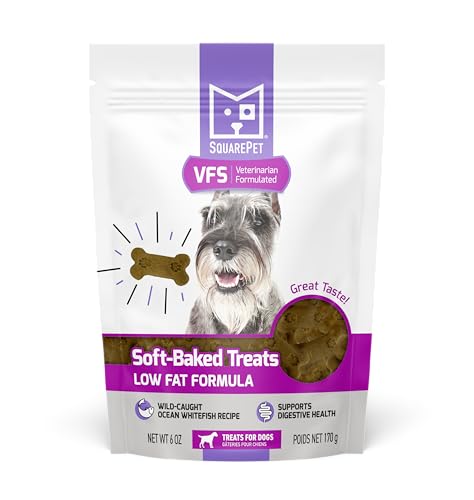
Entry-Level / Budget-FriendlySome brands now offer soft-baked treats specifically formulated for fat restriction, including products designed for pancreatitis management without requiring a prescription [citation:3]. These can be a convenient option for owners who want the assurance of veterinary formulation in a more accessible format. However, availability varies by region, so check with your local pet retailer or online supplier.
If you are also managing your dog's overall diet, our guide to low fat dog food for dogs with pancreatitis covers meal selection in detail. Treats and meals must work together to stay within the daily fat budget your vet has set.
Homemade Low Fat Treat Options
Many owners prefer making treats at home because they can control every ingredient. This is a valid approach, but it requires care. Here are some safe starting points:
- Plain boiled chicken breast: Skinless, boneless chicken breast boiled and cut into tiny pieces. Extremely lean and highly palatable. Use as a high-value training reward.
- Dehydrated white fish: Cod or tilapia dehydrated at low temperature until firm. No oil, no seasoning. Rich in lean protein and very low in fat.
- Baked sweet potato slices: Thin slices of sweet potato baked until chewy. Natural sweetness makes them appealing. Do not add oil or salt.
- Green bean "fries": Frozen or fresh green beans can be given as a crunchy treat. Very low in calories and fat. Some dogs love them plain; others prefer them slightly steamed.
- Ice cubes with broth: Freeze low-sodium, defatted chicken broth in ice cube trays. A refreshing treat, especially in warm weather. Skim all visible fat from the broth before freezing.
Critical Note: Homemade treats are not automatically balanced. If you rely heavily on homemade treats, work with a veterinary nutritionist to ensure your dog's overall diet remains complete. Treats should never exceed 10% of daily calories, and for pancreatitis dogs, that 10% must come from very low-fat sources.
For dogs with concurrent kidney issues, you may need to adjust protein sources as well. Our low protein treats for kidney disease guide may be helpful if your dog has multiple dietary restrictions.
Feeding Tips & Portion Control
Even safe treats can cause problems if fed in excess. Here are practical guidelines for integrating low fat treats into your pancreatitis dog's routine:
- Size matters: Break treats into pea-sized pieces. Your dog cares about the number of rewards, not the size. Ten tiny pieces feel like ten treats to your dog and deliver far fewer calories.
- Reduce meal portions: If you use treats during training, subtract an equivalent amount from your dog's regular meals to prevent weight gain and fat overload. A general rule: 10 small treats ≈ 1/4 cup of kibble.
- Keep a treat journal: Track everything your dog eats for a week, including treats, table scraps, and chews. You may be surprised by how quickly fat adds up. Share this with your vet if flare-ups occur.
- Introduce new treats slowly: Give one small piece and monitor for 24-48 hours. Watch for signs of digestive upset: vomiting, diarrhea, lethargy, or loss of appetite. Stop immediately if any occur.
- Have a flare-up plan: Keep a supply of your vet-approved safe treats on hand so you are never tempted to give something inappropriate during a moment of weakness. When in doubt, skip the treat entirely.
If your dog is also overweight — a common concurrent issue — our guide on dry dog food to help dogs lose weight may provide additional context on managing calorie intake without sacrificing nutrition.
Frequently Asked Questions
The Bottom Line
Managing pancreatitis is a lifelong commitment, but it does not mean your dog can never enjoy a reward again. By choosing treats with verified low fat content, keeping portions tiny, and monitoring your dog's response, you can maintain the bond that treats represent without compromising their health. Always communicate with your veterinarian about any dietary changes, and when in doubt, err on the side of caution. A missed treat is far better than a painful flare-up.