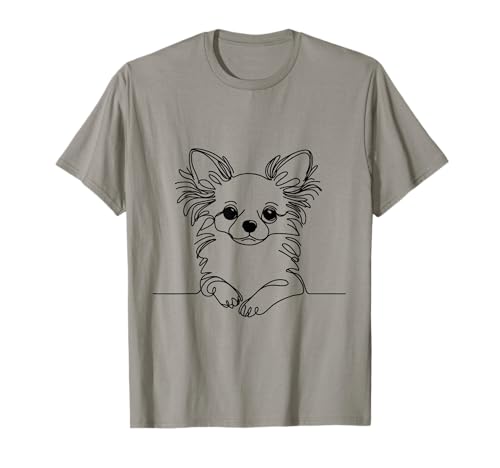
The Long Haired Chihuahua: A Complete Breed Guide
Everything you need to know about the fluffy Chihuahua — temperament, grooming, training, health care, and how to decide if this tiny companion with a big personality is the right dog for your home.
The Long Haired Chihuahua is one of the most recognizable toy breeds in the world — a tiny dog wrapped in a soft, flowing coat with a personality that far exceeds its size. While the smooth-coated Chihuahua is the more common variety, the long-haired version has developed a devoted following among owners who love the breed's affectionate nature and want a dog with a more glamorous appearance.
Despite their delicate looks, Long Haired Chihuahuas are bold, alert, and surprisingly sturdy for their size. They bond deeply with their people and make excellent companions for the right household. This guide covers every aspect of owning one, from coat maintenance to health screening, so you can make an informed decision before bringing one home.
Breed Overview
The Long Haired Chihuahua is not a separate breed from the smooth-coated Chihuahua. Both varieties descend from the same ancestral lineage and are recognized as a single breed by major kennel clubs. The long coat is the result of a recessive gene, which is why two smooth-coated parents can occasionally produce long-haired puppies.
These dogs typically weigh between 2 and 6 pounds and stand roughly 6 to 9 inches tall at the shoulder. Their small size makes them well-suited to apartment living, but it also means they require careful handling and supervision, especially around larger animals and young children.
| Characteristic | Long Haired Chihuahua | Smooth-Coated Chihuahua |
|---|---|---|
| Coat Type | Soft, fine, flowing double coat | Short, dense, close-lying coat |
| Grooming Needs | Moderate to high — brushing several times weekly | Low — occasional brushing |
| Shedding | Moderate, seasonal | Low to moderate |
| Cold Tolerance | Slightly better than smooth coat | Poor — needs winter protection |
| Temperament | Identical — bold, alert, devoted | Identical — bold, alert, devoted |
| Price Tier | Mid-range to premium | Entry-level to mid-range |
Quick Facts About the Long Haired Chihuahua:
• Recognized as a variety of the Chihuahua breed, not a separate breed.
• Average lifespan of 14 to 18 years — one of the longest-living dog breeds.
• Comes in virtually every coat color, including fawn, black, chocolate, and merle.
• Well-suited to apartment living and small homes.
• Requires consistent socialization to prevent small-dog syndrome behaviors.
Temperament & Personality
Long Haired Chihuahuas are famous for their larger-than-life personalities. They are alert, curious, and often described as "sassy" by their owners. This breed forms intense bonds with its chosen person and can become possessive if not taught independence early. They are natural watchdogs — quick to sound the alarm when someone approaches the door, despite their tiny stature.
While they can be wonderful companions, their boldness can tip into reactivity if they are not properly socialized. Without early exposure to new people, animals, and environments, a Long Haired Chihuahua may become fearful, snappy, or overly territorial. This is often labeled "small dog syndrome," but it is a training issue rather than an inherent breed flaw.
Ideal Households
Long Haired Chihuahuas thrive in homes that provide consistent routines and gentle handling. They are often happiest with adults and older children who respect their small size and need for personal space. They adapt well to apartment living and are content with moderate daily activity.
They may be wary of strangers at first and benefit from gradual introductions. With careful socialization, they can become confident, friendly companions rather than nervous barkers.
Households That May Struggle
Homes with very young children are not ideal — a toddler can accidentally injure a 4-pound dog, and a frightened Chihuahua may snap in self-defense. Families with large, energetic dogs should also proceed with caution; size differences can lead to dangerous accidents even with well-meaning dogs.
Owners who want an independent, low-maintenance dog may find the breed's desire for constant companionship challenging. Long Haired Chihuahuas are not the best fit for people who leave home for long hours, as they are prone to separation anxiety.
Grooming & Coat Care
The long coat is the defining feature of this variety, and it requires consistent attention to stay healthy and tangle-free. The coat is soft and fine, which makes it prone to matting behind the ears, under the legs, and around the collar. Neglecting grooming can lead to painful mats that pull on the skin and trap moisture, which can cause infections.
Brushing is the foundation of coat care. Use a slicker brush or pin brush two to three times per week, and daily during shedding season in spring and fall. Pay special attention to the areas where the coat is longest and most likely to tangle. A metal comb can help you check for mats that the brush may glide over.
Bathing and Trimming
Bathe your Long Haired Chihuahua every three to four weeks with a gentle, dog-specific shampoo. Over-bathing can strip natural oils and cause dry, itchy skin, so avoid washing more often than necessary. After bathing, towel dry and use a low-heat blow dryer to prevent the coat from staying damp and matting.
Trimming is usually minimal, but you may need to trim the hair around the paws, sanitary area, and eyes for hygiene and comfort. Some owners prefer professional grooming every six to eight weeks for convenience and a neat appearance. A quality dog brush and a dog dryer make home grooming much easier.
Grooming Tip: Introduce grooming to your Long Haired Chihuahua while it is still a puppy. Short, positive sessions with treats teach the dog that brushing and bathing are safe, which prevents grooming-time struggles later in life. Never pull through a mat — work it loose gently with your fingers or a detangling spray.
Essential Grooming Tasks
- Brushing: Two to three times per week, daily during shedding season. Focus on the ears, armpits, and hindquarters where mats form first.
- Bathing: Every three to four weeks with a gentle dog shampoo. Rinse thoroughly to prevent skin irritation.
- Nail trimming: Every two to four weeks. Small dogs often need more frequent trims because their nails grow quickly relative to their size. A sharp pair of dog nail clippers makes the task safer.
- Ear cleaning: Weekly with a dog-safe ear cleaner. Long-haired Chihuahuas can grow hair inside the ear canal, which traps moisture and debris.
- Dental care: Brush teeth several times per week. Small breeds are especially prone to dental disease, so a dog toothbrush and dog-specific toothpaste should be part of the routine.
- Eye care: Wipe away discharge daily, especially in dogs with prominent eyes. Trim hair around the eyes if it causes irritation.
Training & Socialization
Training a Long Haired Chihuahua is not optional — it is essential. Because of their small size, it can be tempting to carry them everywhere and let them get away with behaviors that would be unacceptable in a larger dog. Over time, this creates a demanding, reactive pet that is difficult to handle and unpopular with guests.
Positive reinforcement is the most effective approach. Use small, high-value treats to reward desired behaviors, and keep training sessions short — five to ten minutes is plenty for a toy breed. Focus on basic commands like sit, stay, come, and leave it, as well as practical skills like accepting handling and walking on a leash without pulling.
The Importance of Socialization
Socialization should begin as early as possible, ideally during the puppy's critical window between three and fourteen weeks of age. Expose your puppy to new people, sounds, surfaces, and gentle handling in a positive, controlled way. Avoid overwhelming experiences, and pair every new encounter with treats and praise.
Even after puppyhood, continue to socialize your adult dog. Invite friends over, take your dog on short trips to pet-friendly stores, and practice calm behavior around other dogs at a distance. Consistent exposure prevents fear-based reactivity and builds confidence. If you struggle with your dog's behavior, a qualified trainer or behaviorist can help — see our guide on when to see a behaviorist.
Training Tips for Toy Breeds:
• Practice commands in different rooms and locations so your dog generalizes the behavior.
• Use a well-fitted harness instead of a collar for walks, as small dogs are prone to tracheal collapse.
• Reward calm behavior, not just obedience — a dog that can settle quietly is a pleasure to live with.
• Keep training fun and end on a positive note, even if the session was short.
Exercise & Activity Needs
Long Haired Chihuahuas need less exercise than most breeds, but they still need daily activity to stay healthy and mentally engaged. Aim for roughly 30 to 45 minutes of activity per day, split into short walks and play sessions. A brisk walk around the block, a game of fetch in the living room, or a puzzle toy can meet their needs.
Because of their small size, they are sensitive to temperature extremes. Avoid long walks in the heat of summer, and protect them from cold weather with a sweater or coat. Their short legs also mean they tire quickly, so let them set the pace and take breaks as needed.
Mental stimulation is just as important as physical activity. Interactive toys, snuffle mats, and short training sessions keep their clever minds occupied and reduce boredom-related behaviors like barking or chewing. A puzzle toy or interactive dog toy is a worthwhile investment for this breed.
Health Care & Common Issues
One of the most appealing aspects of the Long Haired Chihuahua is its impressive lifespan. With good care, these dogs commonly live to 14 to 18 years, making them one of the longest-lived breeds. However, longevity does not mean immunity to health problems, and owners should be aware of the conditions that affect the breed.
Common Health Concerns
- Patellar luxation: A condition where the kneecap slips out of place. It is common in small breeds and can cause lameness. Maintain a healthy weight and avoid excessive jumping to reduce risk.
- Dental disease: Small mouths and crowded teeth make this breed highly prone to plaque buildup, gum disease, and tooth loss. Regular brushing and professional cleanings are essential.
- Hypoglycemia: Low blood sugar is a particular risk for very small puppies and toy breeds. Feed small, frequent meals and watch for signs like weakness or trembling.
- Collapsing trachea: Weakness of the windpipe can cause a honking cough. Using a harness instead of a collar reduces pressure on the neck and is strongly recommended.
- Mitral valve disease: A heart condition that becomes more common with age. Regular veterinary checkups can detect it early.
- Hydrocephalus: A buildup of fluid in the brain, more common in very small breeds. Responsible breeders screen for this condition.
Preventive Care
Routine veterinary care is the foundation of a long, healthy life. Schedule annual wellness exams, keep vaccinations up to date, and follow a year-round parasite prevention plan. Because dental disease is so common in this breed, ask your vet about professional cleanings and at-home dental care.
If you are considering a puppy, choose a breeder who performs health testing and provides documentation. Learn how to identify a responsible breeder in our guide on how to find a reputable dog breeder. Avoiding puppy mills and backyard breeders is one of the best ways to reduce the risk of inherited health problems.
Nutrition & Feeding
Long Haired Chihuahuas have fast metabolisms but tiny stomachs, so they need nutrient-dense food in appropriately small portions. Feeding a high-quality diet formulated for toy breeds helps meet their specific nutritional needs, including protein for muscle maintenance and essential fatty acids for coat health.
How much to feed depends on your dog's age, weight, activity level, and the caloric density of the food. A typical adult Long Haired Chihuahua might eat one-third to one-half cup of dry food per day, split into two meals. Puppies need more frequent meals — usually three to four small meals daily — to prevent hypoglycemia. Follow the feeding guidelines on the food package as a starting point, then adjust based on your dog's body condition.
Treats should make up no more than ten percent of daily calories. Small dogs gain weight easily, and even a few extra ounces can strain their joints and heart. If you need help choosing a food, our guide to dry dog food and puppy food can point you toward quality options. Always provide fresh water and avoid feeding table scraps, especially toxic foods.
Feeding Tip: Use a shallow, wide bowl rather than a deep one. Small breeds can have difficulty reaching the bottom of deep bowls, and flat-faced or tiny dogs may swallow too much air while eating. A properly sized dog bowl improves comfort and digestion.
Choosing the Right Long Haired Chihuahua Puppy
Finding a healthy, well-bred Long Haired Chihuahua puppy requires patience and research. Avoid the temptation to buy the first puppy you see online. Reputable breeders will invite you to visit, show you the puppy's parents, and provide health records for both parents and the litter.
Ask questions about the breeder's health testing practices. The most important screenings for Chihuahuas include patellar luxation evaluations, cardiac exams, and eye certifications. A responsible breeder will be transparent about health issues in their lines and will not breed dogs with known genetic problems. Review our guide on questions to ask a dog breeder to prepare for the conversation.
When you meet the puppies, look for ones that are curious, active, and comfortable being handled. Avoid puppies that are overly fearful, aggressive, or lethargic, as these behaviors can indicate health or temperament issues. A breeder contract should include a health guarantee and a commitment to take the dog back if you can no longer care for it.
Red Flags When Choosing a Breeder:
• Refusal to let you visit the premises or meet the puppy's parents.
• Puppies available at very young ages, before eight weeks.
• No health testing documentation for the breeding dogs.
• Multiple litters of different breeds available at once — a sign of a puppy mill.
• Pressure to buy quickly or pay a deposit without seeing the puppy first.
Common Long Haired Chihuahua Owner Mistakes
Many behavior and health problems in this breed stem from well-intentioned mistakes. Avoiding these common pitfalls will make life easier for both you and your dog.
- Skipping socialization: Small dogs are often carried instead of walked and kept away from new experiences. This leads to fear and reactivity. Socialize early and often.
- Using a collar for walks: A collar puts pressure on a tiny, delicate trachea. Use a harness instead to prevent collapsing trachea and discomfort.
- Overfeeding and under-exercising: It is easy to overindulge a small dog, but obesity causes serious health problems. Measure portions and keep your dog active.
- Neglecting dental care: Dental disease is one of the most common health issues in this breed. Brush your dog's teeth regularly and schedule professional cleanings.
- Allowing jumping from heights: Chihuahuas are prone to leg and joint injuries. Discourage jumping from furniture and provide dog steps or a ramp for safe access to couches and beds.
- Letting the dog rule the house: Small size does not excuse bad behavior. Set consistent rules and boundaries from day one.
Frequently Asked Questions
Is a Long Haired Chihuahua Right for You?
If you are looking for a devoted, portable companion with a big personality and you are prepared to commit to regular grooming, consistent training, and gentle handling, the Long Haired Chihuahua can be an wonderful addition to your life. Their long lifespan means a long-term commitment — but for the right owner, few breeds offer as much affection in such a small package. Before bringing one home, make sure you have the time for socialization, the patience for coat care, and the willingness to treat this tiny dog like the real dog it is, not a living accessory.