The Long Haired German Shepherd: A Complete Guide
Discover everything you need to know about the stunning Long Haired German Shepherd — from their gentle temperament and extensive grooming needs to health considerations and finding a responsible breeder.
The Long Haired German Shepherd is one of the most striking and majestic dog breeds in the world. With their flowing, fluffy coats and noble bearing, they turn heads wherever they go. But beneath that beautiful exterior lies the same intelligent, loyal, and hardworking temperament that has made the German Shepherd one of the most popular and respected breeds globally.
If you are considering adding a Long Haired German Shepherd to your family, you need to understand that their coat is not just a cosmetic feature — it fundamentally changes their grooming requirements, heat tolerance, and even how they should be cared for. This guide will walk you through everything you need to know to make an informed decision and provide the best possible life for this remarkable dog.
Breed Overview
The Long Haired German Shepherd is not a separate breed from the standard German Shepherd. They are the same breed, but they carry a recessive gene that produces a longer, softer coat. This gene must be inherited from both parents for a puppy to be born with a long coat, which is why Long Haired German Shepherds are less common and often more sought after than their short-haired counterparts.
Quick Breed Facts
- Breed Group: Herding / Working
- Height: Males 24–26 inches; Females 22–24 inches
- Weight: Males 66–88 lbs; Females 49–71 lbs
- Lifespan: 9–13 years
- Coat Type: Long, soft, double coat
- Color: Black and tan, black and red, sable, all black, and other variations
- Temperament: Loyal, intelligent, protective, confident, and eager to please
- Exercise Needs: High — 1.5 to 2 hours daily
- Grooming Needs: High — requires frequent brushing
- Good with Children: Yes, with proper socialization and training
The Recessive Gene Explained
The long coat gene is recessive, meaning a puppy must inherit one copy of the gene from each parent. Two short-haired parents can produce long-haired puppies if both carry the recessive gene. This is why some breeders can have long-haired puppies even when the parents look like standard German Shepherds.
In countries that follow the FCI (Fédération Cynologique Internationale) breed standard, the long coat is considered a fault and dogs with it cannot be shown. However, in the United States and other regions, they are recognized and valued as excellent pets and working dogs.
Temperament & Personality
The Long Haired German Shepherd shares the same temperament as the standard German Shepherd — and that is one of the breed's greatest strengths. These dogs are renowned for their intelligence, loyalty, and versatility. They are not just pets; they are family members who bond deeply with their humans and are willing to protect them with their lives.
Key Personality Traits
- Loyal and Devoted: German Shepherds are famously loyal to their families. They form strong bonds and want to be with their people as much as possible. This breed does not do well when left alone for long periods.
- Intelligent and Trainable: Ranked among the smartest dog breeds, German Shepherds excel in obedience training, agility, search and rescue, and protection work. They learn quickly and want to work.
- Protective and Alert: Their natural guarding instinct makes them excellent watchdogs. They are wary of strangers and will alert you to anything unusual. This protective nature must be managed through training and socialization.
- Confident and Courageous: These are not timid dogs. They approach life with confidence and are not easily scared. This makes them excellent working dogs but also means they need an owner who can provide confident, consistent leadership.
- Energetic and Active: German Shepherds are not couch potatoes. They need a job to do, whether that is formal training, hiking, or simply being involved in family activities.
Socialization is Critical: The German Shepherd's protective instincts are an asset when properly channeled, but they can become a liability if the dog is not well-socialized. Start exposing your Long Haired German Shepherd puppy to new people, places, sounds, and situations as early as possible — ideally between 3 and 14 weeks of age. A well-socialized German Shepherd is confident and calm; an under-socialized one can become fearful and reactive.
Grooming Requirements
This is where the Long Haired German Shepherd truly stands apart from the standard variety. Their long, flowing coat is beautiful but demands significant attention. If you are not prepared for regular grooming, a Long Haired German Shepherd may not be the right breed for you.
Daily Brushing is Essential
Long Haired German Shepherds need to be brushed at least 3-4 times per week, and ideally daily during shedding season. Their double coat — with a soft undercoat and a longer, harsher outer coat — is prone to matting and tangling, especially behind the ears, under the legs, and around the tail.
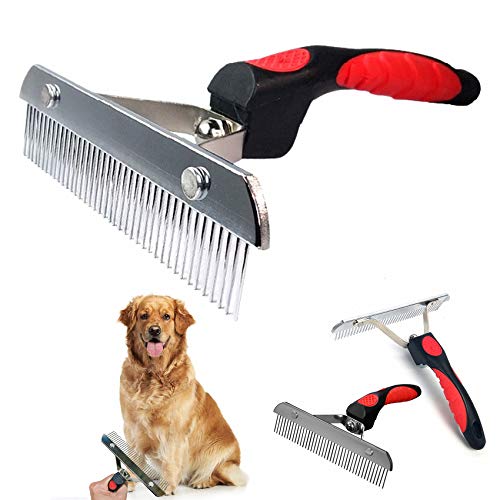
- Choose the right tools: A slicker brush, an undercoat rake, and a metal comb are essential. Use the slicker brush for surface grooming, the undercoat rake to remove loose undercoat, and the comb to check for mats and tangles.
- Brush in layers: Part the coat and brush in sections, starting from the skin outward. This ensures you reach the undercoat and prevent mats from forming close to the skin.
- Pay attention to problem areas: The armpits, behind the ears, the tail base, and the hindquarters are the most common areas for mats. Check these areas daily during shedding season.
- Never shave your German Shepherd: Shaving a double-coated breed is never recommended. The coat provides insulation against both heat and cold, and shaving can permanently damage the coat's texture and growth pattern. It also increases the risk of sunburn and skin damage.
Shedding Season
German Shepherds shed year-round, but they have two major shedding seasons — typically in spring and fall — when they "blow" their undercoat. During these periods, you may find tufts of fur everywhere and need to brush daily, sometimes twice a day.
Grooming Tool Recommendations:
Invest in a high-quality dog brush designed for double-coated breeds. A good slicker brush and undercoat rake will make grooming much easier and more effective. Also consider a grooming table to make the process more comfortable for both you and your dog.
Bathing and Professional Grooming
Bathe your Long Haired German Shepherd every 6-8 weeks, or more often if they get dirty. Use a dog-specific shampoo — human shampoos can disrupt the pH balance of their skin. After bathing, thoroughly dry the coat, as the thick undercoat can hold moisture and lead to skin infections if left damp.
Professional grooming every 6-8 weeks is highly recommended. A professional groomer can properly de-shed, trim the sanitary areas, and check for skin issues that may be hidden under the thick coat.
Health & Common Issues
Long Haired German Shepherds are generally healthy dogs, but like all purebred dogs, they are predisposed to certain genetic conditions. Being aware of these issues allows you to take preventive measures and catch problems early.
Common Health Concerns
- Hip and Elbow Dysplasia: A common issue in German Shepherds where the joints develop abnormally. This can lead to arthritis and lameness. Reputable breeders screen their breeding dogs for dysplasia before breeding.
- Degenerative Myelopathy (DM): A progressive neurological disease that affects the spinal cord and causes weakness and paralysis in the hind legs. Genetic testing is available and responsible breeders test for it.
- Bloat (Gastric Torsion): A life-threatening condition where the stomach fills with gas and twists. Deep-chested breeds like German Shepherds are at higher risk. Feed smaller meals more frequently and avoid vigorous exercise right after eating.
- Skin Allergies and Infections: The long coat can trap moisture and debris, increasing the risk of skin infections. Regular grooming and keeping the coat dry are essential preventive measures.
- Cancer: German Shepherds have a higher-than-average risk of certain cancers, including hemangiosarcoma and osteosarcoma. Regular vet checkups and monitoring for lumps are important.
Health Testing Matters: When choosing a breeder, ask for proof that both parents have been health tested for hip and elbow dysplasia, degenerative myelopathy, and other breed-specific conditions. Reputable breeders will happily provide these certificates. Learn more about genetic testing for dog breeds and why it matters.
Training & Socialization
German Shepherds are highly intelligent and trainable, but they are also strong-willed and need consistent, positive training from an early age. A well-trained Long Haired German Shepherd is a joy to live with; an untrained one can be a handful.
Training Principles
- Start early: Begin training as soon as you bring your puppy home. Puppies are like sponges — they absorb everything. Early training sets the foundation for a well-behaved adult dog.
- Use positive reinforcement: Reward-based training is the most effective and humane approach. Use treats, praise, and play to reward desired behaviors. Learn more about behavior modification techniques.
- Be consistent: Everyone in the household must use the same commands and rules. Inconsistency confuses the dog and slows down training.
- Keep sessions short: Puppies have short attention spans. Keep training sessions to 5-10 minutes for puppies and 15-20 minutes for adults. End on a positive note.
- Socialize extensively: Expose your puppy to new people, dogs, environments, and experiences in a positive way. This is especially important for German Shepherds, who can be naturally suspicious of strangers.
Basic Commands to Teach
At a minimum, your Long Haired German Shepherd should be trained in the following commands:
- Sit and Stay: The foundation of all training. These commands are essential for impulse control and safety.
- Come (Recall): The most important safety command. A reliable recall can save your dog's life.
- Down: A calm, submissive position that is useful in many situations.
- Leave It: Prevents your dog from picking up dangerous items or chasing wildlife.
- Heel: Makes walks enjoyable and prevents pulling.
For more detailed training advice, see our dog training guide with step-by-step instructions for every basic command.
Exercise Needs
The Long Haired German Shepherd is a high-energy working breed. They need substantial daily exercise — not just physical activity, but also mental stimulation. A bored German Shepherd is a destructive German Shepherd.
Daily Exercise Requirements
Adult Long Haired German Shepherds need at least 1.5 to 2 hours of vigorous exercise per day. This can be broken up into multiple sessions:
- Morning: 45-60 minutes of walking, jogging, or off-leash running
- Afternoon: 30-45 minutes of active play — fetch, agility, or swimming
- Evening: 30-45 minutes of walking or training
- Mental exercise: 15-20 minutes of training, puzzle toys, or scent games
Puppies need less structured exercise but more frequent play sessions. Avoid high-impact exercise until their growth plates close (around 12-18 months) to prevent joint damage.
Mental Stimulation is Just as Important
German Shepherds are working dogs with active minds. They need jobs to do. Without mental stimulation, they can become anxious, destructive, and difficult to manage. Incorporate training sessions, puzzle toys, and scent games into your daily routine.
Consider enrolling in dog sports like agility, tracking, or Schutzhund — these activities are perfect outlets for their energy and intelligence.
Diet & Nutrition
Proper nutrition is the foundation of your Long Haired German Shepherd's health. As a large, active breed, they have specific dietary needs that must be met to support their growth, energy levels, and overall well-being.
Feeding Guidelines
- Protein: German Shepherds need high-quality animal protein for muscle development and maintenance. Look for a food with named meat sources (like chicken, beef, or fish) as the first ingredient.
- Fat: Fat provides energy and supports skin and coat health. A moderate fat content is ideal for active dogs.
- Joint Support: Look for foods that contain glucosamine and chondroitin, or consider adding a joint supplement to support their joints, especially as they age.
- Life Stage Appropriate: Feed puppy food until 12-18 months (depending on growth rate), then transition to adult food. Senior dogs (7+ years) may benefit from a senior formula with fewer calories and added joint support.
Our guide to large breed dog food provides detailed information on choosing the best food for your German Shepherd. For puppies, see our recommendations for large breed puppy food for sensitive stomachs.
Feeding Schedule: Feed adult German Shepherds twice daily — morning and evening. Puppies should be fed 3-4 times daily until they are about 6 months old. Avoid feeding one large meal, as this increases the risk of bloat. Always provide fresh water.
Long Haired vs. Standard German Shepherd
If you are deciding between a Long Haired and a standard German Shepherd, it helps to understand the key differences — and the similarities — between the two.
| Feature | Long Haired German Shepherd | Standard German Shepherd |
|---|---|---|
| Coat Length | Long, soft, flowing outer coat | Short, dense, harsh outer coat |
| Grooming Needs | High — daily brushing required | Moderate — weekly brushing |
| Shedding | Heavy year-round, intense seasonally | Heavy seasonally, moderate year-round |
| Heat Tolerance | Lower — long coat traps heat | Moderate — shorter coat is cooler |
| Show Ring Status | Considered a fault in FCI standards | Breed standard |
| Rarity | Less common, often more expensive | Common, widely available |
| Temperament | Identical — loyal, intelligent, protective, and active | |
| Exercise Needs | Identical — 1.5 to 2 hours daily | |
| Health Predispositions | Identical — hip/elbow dysplasia, DM, bloat, etc. | |
The bottom line: the only significant difference between the two is the coat. If you love the German Shepherd temperament but want a dog that is easier to groom and handles heat better, the standard variety may be a better fit. If you are prepared for the grooming commitment and love the look of the long coat, the Long Haired German Shepherd is a wonderful choice.
Choosing a Responsible Breeder
Finding a reputable breeder is one of the most important decisions you will make. A good breeder will produce healthy, well-tempered puppies and provide lifelong support. A bad breeder will sell you a puppy with hidden health problems and no support.
What to Look For in a Breeder
- Health Testing: Both parents should have current health certificates for hips, elbows, and degenerative myelopathy. Ask to see the results.
- Temperament: The breeder should be able to tell you about the temperament of the parents and the puppies. They should match puppies to families based on temperament, not just appearance.
- Living Conditions: The puppies should be raised in a clean, stimulating environment with plenty of human interaction. They should not be kept in cages or isolated from the family.
- Health Guarantee: A reputable breeder will provide a written health guarantee. Read the terms carefully. See our guide to health guarantees for puppies.
- Contract: A good breeder will have a contract that outlines your responsibilities and theirs. It may include a "first right of refusal" clause requiring you to return the dog to the breeder if you can no longer care for it. Learn more about breeder contracts.
- Ask Questions: A good breeder will ask you many questions about your lifestyle, experience with dogs, and plans for the puppy. They care about where their puppies go. See our list of questions to ask a dog breeder.
Red Flags: Avoid breeders who:
• Sell puppies without health testing or guarantees
• Have multiple litters on the ground at all times
• Won't let you visit the breeding facility
• Sell puppies online without meeting you first
• Charge significantly more for "rare" colors or features
• Can't provide references from previous buyers
Learn more about red flags of a bad dog breeder.
Frequently Asked Questions
Is a Long Haired German Shepherd Right for You?
A Long Haired German Shepherd is a wonderful choice for active, experienced dog owners who are prepared for the grooming commitment and have the time and energy to meet this breed's exercise and training needs. They are loyal, intelligent, and protective companions who will reward your efforts with unwavering devotion. If you are ready to welcome one into your home, our guide to Long Haired German Shepherd puppies for sale can help you find a responsible breeder.