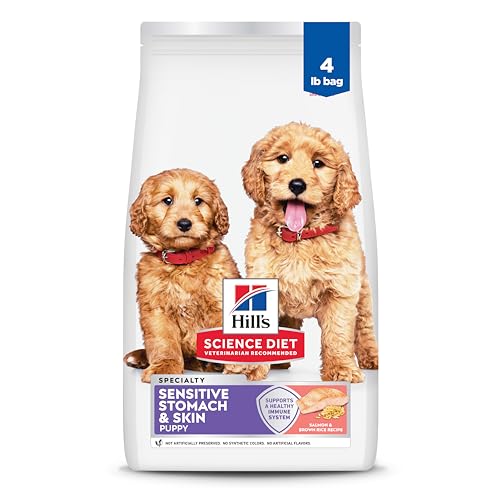
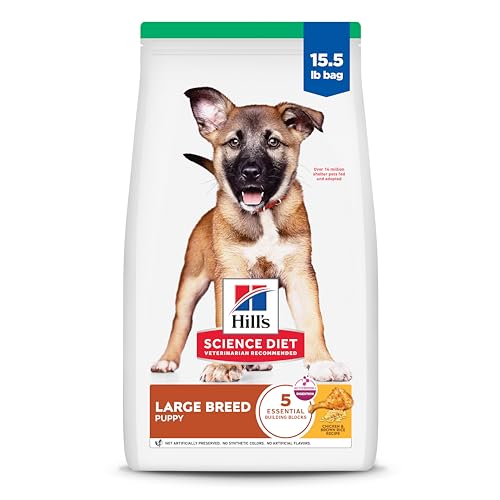
Large Breed Puppy Food for Sensitive Stomach
Your large breed puppy is growing fast. But when their tummy is upset, every meal becomes a worry. This guide helps you choose a formula that supports steady growth and gentle digestion.
Large breed puppies face unique nutritional challenges. Their rapid growth demands careful calcium and phosphorus balance to protect developing joints [citation:1]. But when you add a sensitive stomach to the mix, choosing the right food becomes even more critical. A formula that is too rich can cause loose stools. One that lacks digestible ingredients can lead to gas, discomfort, and poor nutrient absorption.
The good news: the pet food market now offers formulas specifically designed for this combination of needs. Understanding what to look for—and what to avoid—will help you make an informed decision. For a broader look at managing digestive issues, our guide on large breed puppy food for sensitive stomach and diarrhea covers additional strategies.
Why Large Breed Puppies Need Special Care
Large breed puppies (those expected to weigh 50 pounds or more as adults) grow differently than small breeds. Their bones develop more slowly, and their growth plates remain open longer—often until 12 to 18 months of age. Overfeeding calories or calcium during this period can increase the risk of developmental orthopedic diseases like hip dysplasia.
At the same time, their digestive systems are still maturing. The gut microbiome is establishing itself, and the intestinal lining is more permeable to large protein molecules that can trigger allergic reactions. This is why some large breed puppies develop sensitivities to common proteins like chicken or beef, even if they showed no issues as younger puppies.
Important distinction: A sensitive stomach is not the same as a food allergy. Sensitivity typically causes digestive upset (gas, loose stools, occasional vomiting) without immune involvement. A true allergy involves an immune response and often causes skin issues in addition to GI symptoms. If your puppy has chronic itching, ear infections, or recurring skin problems alongside stomach upset, ask your vet about allergy testing or a hydrolyzed protein diet trial.
Key Ingredients for Sensitive Stomachs
When reading labels, focus on these elements that support gentle digestion while meeting large breed nutritional requirements:
Highly Digestible Proteins
Protein is essential for muscle development, but the source matters. For sensitive stomachs, look for named animal proteins that are easy to break down:
- Lamb: Often well-tolerated and less likely to trigger reactions in puppies sensitive to chicken or beef. Lamb meal provides concentrated protein without excess fat.
- Salmon: Rich in omega-3 fatty acids, which have natural anti-inflammatory properties that can soothe the digestive tract. Salmon is also a novel protein for many puppies.
- Chicken meal: A concentrated form of chicken protein that has been rendered to remove water and fat. It is more digestible than whole chicken for some puppies.
- Egg: One of the most bioavailable protein sources, meaning the body can absorb and use it efficiently. Dried whole egg is often included in sensitive stomach formulas.
Avoid formulas where the first ingredient is a vague "meat meal" or "poultry by-product." These can contain lower-quality parts and are more likely to cause digestive upset. For more on reading labels, see our guide to dog food for allergies and sensitive stomachs.
Gentle Carbohydrates
Carbohydrates provide energy, but not all carbs are equal. For sensitive stomachs, choose easily digestible grains or starches:
- Rice: White rice is highly digestible and often used in veterinary bland diets. Brown rice adds fiber and nutrients while remaining gentle on the gut.
- Oatmeal: Contains soluble fiber that supports digestive health and helps regulate blood sugar. It is generally well-tolerated by sensitive puppies.
- Barley: A whole grain that provides fiber and slow-release energy. It is more digestible than corn or wheat for many dogs.
Some formulas use peas or lentils as grain-free alternatives. While these are not inherently bad, the FDA has investigated a potential link between grain-free diets high in legumes and dilated cardiomyopathy (DCM) in dogs. Unless your puppy has a confirmed grain allergy, grains like rice and oats are safe and nutritious choices.
Gut-Supporting Additives
Premium sensitive stomach formulas often include:
- Probiotics: Live beneficial bacteria (like Bacillus coagulans) that help maintain a healthy gut microbiome. Look for guaranteed CFU counts on the label [citation:8].
- Prebiotics: Fibers (like chicory root inulin or beet pulp) that feed the good bacteria already in your puppy's gut.
- Colostrum: The first milk produced by mammals, rich in antibodies and growth factors that support immune health and intestinal development [citation:1].
- Omega-3 fatty acids (DHA/EPA): Support brain development and have anti-inflammatory effects in the gut. Fish oil or salmon oil are common sources.
Ingredients to Avoid
These ingredients are more likely to trigger digestive upset in sensitive puppies:
- Artificial colors and preservatives: BHA, BHT, ethoxyquin, and artificial dyes serve no nutritional purpose and can irritate sensitive systems. Choose foods preserved with mixed tocopherols (vitamin E) instead.
- Corn, wheat, and soy: Common fillers that are harder to digest and more likely to cause reactions. Many sensitive stomach formulas are free from these ingredients.
- High-fat content: While fat is calorie-dense and necessary for growth, very high-fat foods (above 18-20%) can overwhelm a sensitive digestive system and cause loose stools or pancreatitis in predisposed breeds.
- Excessive treats and table scraps: Even the healthiest food can be undone by too many treats. Keep treats to less than 10% of daily calories and avoid fatty or spicy human foods.
Practical tip: If your puppy's stomach is currently upset, a short transition to a bland diet (boiled chicken and rice, or a veterinary bland diet formula) for 24 to 48 hours can help settle things. Then gradually reintroduce their regular food. If symptoms return, the food may need to change permanently. For a formula designed specifically for sensitive stomachs and diarrhea, see our detailed recommendations on best large breed puppy food for sensitive stomach and diarrhea.
Types of Sensitive Stomach Formulas
Not all sensitive stomach foods are the same. They fall into several categories based on their approach:
| Formula Type | Best For | Key Features | Considerations |
|---|---|---|---|
| Limited Ingredient | Puppies with suspected food sensitivities | Single animal protein, few carbohydrate sources | May be harder to balance for large breed growth |
| Salmon & Rice | Puppies sensitive to chicken or beef | Novel protein, omega-3s, easily digestible rice | Fish-based formulas can have stronger odor |
| Lamb & Rice | Puppies with chicken sensitivity | Lamb is often well-tolerated, rice is gentle | Some lamb formulas still contain chicken fat |
| Probiotic-Enhanced | Puppies with general digestive weakness | Added live bacteria, prebiotic fiber | Probiotic viability can vary during storage |
For a comprehensive comparison of specific products, our guide on the best dog food for large breed puppy with sensitive stomach provides detailed evaluations. If you are also considering wet food to mix with kibble for added palatability and moisture, our article on wet dog food to mix with dry for puppies offers guidance.
How to Transition Foods Safely
Even the best food will cause problems if you switch too quickly. A sudden change disrupts the gut microbiome and almost always causes diarrhea. Follow this schedule:
- Days 1-3: 25% new food, 75% old food
- Days 4-6: 50% new food, 50% old food
- Days 7-9: 75% new food, 25% old food
- Day 10 onward: 100% new food
If your puppy has a particularly sensitive stomach, extend each phase by two to three days. Watch for signs of intolerance—loose stools, gas, vomiting, or refusal to eat. If symptoms appear, slow down the transition or pause at the current ratio until things normalize.
Feeding frequency matters too. Large breed puppies should be fed measured meals two to three times daily rather than free-fed. This helps prevent overeating, supports stable blood sugar, and makes it easier to monitor appetite and stool quality. For more feeding schedules and portion guidance, see our puppy food guide.
When to See a Vet
Diet changes and careful ingredient selection can resolve many cases of sensitive stomach. But some symptoms require professional evaluation:
- Diarrhea lasting more than 24 hours, especially if accompanied by lethargy or loss of appetite
- Vomiting that occurs repeatedly or contains blood
- Blood in the stool (bright red or dark, tarry stool)
- Poor weight gain or weight loss despite a good appetite
- Signs of pain when you touch the abdomen
- Chronic scratching, ear infections, or skin redness alongside digestive issues (possible allergy)
Your vet may recommend a fecal exam to rule out parasites, a food elimination trial, or a prescription hydrolyzed protein diet if a true allergy is suspected. For puppies with severe or persistent diarrhea, a veterinary gastroenteric formula may be necessary during the recovery period.
If your puppy has been diagnosed with a specific condition or is recovering from illness, our article on dry dog food for large dogs with sensitive stomachs covers long-term management strategies for adult dogs as well.
Frequently Asked Questions
The Bottom Line
Choosing the right food for a large breed puppy with a sensitive stomach requires balancing two priorities: supporting healthy growth and minimizing digestive upset. Look for formulas with highly digestible proteins, gentle carbohydrates, and gut-supporting additives. Transition slowly, feed measured meals, and monitor your puppy's stool and overall condition. If problems persist despite dietary changes, work with your veterinarian to rule out underlying medical issues. With the right nutrition, your large breed puppy can grow steadily and comfortably into a healthy adult dog.