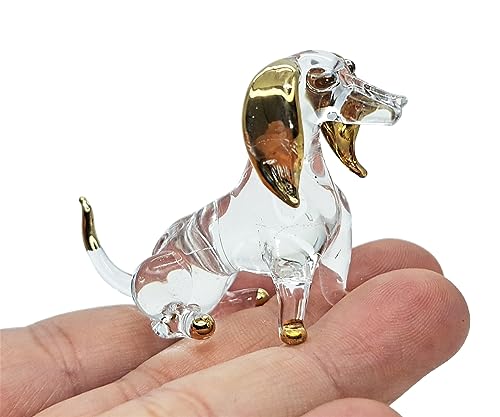
Miniature Long Haired Dachshund Puppies for Adoption
Everything you need to know before bringing home a miniature long haired dachshund puppy — from temperament and care requirements to health screening and choosing a responsible breeder.
The miniature long haired dachshund is one of the most distinctive and charming small breeds — a dog with the heart of a hunter wrapped in a silky, elegant coat. Known affectionately as the "wiener dog" or "doxie," this breed combines a bold, curious personality with a surprisingly portable size. If you are considering adopting a miniature long haired dachshund puppy, you are about to embark on a rewarding journey that requires preparation, patience, and a genuine understanding of what makes this breed unique.
This guide walks you through everything you need to know before bringing one of these puppies into your home. From their specific exercise needs and grooming requirements to the critical health screenings you should ask a breeder about, we cover the details that matter. Whether you are a first-time dog owner or an experienced handler, the information here will help you make an informed decision and give your new companion the best possible start.
Breed Overview
The miniature long haired dachshund is a smaller variety of the standard dachshund, a breed developed in Germany centuries ago for hunting badgers and other burrowing game. The "miniature" designation refers to size — these dogs typically weigh between 8 and 11 pounds and stand roughly 5 to 6 inches tall at the shoulder [citation:2][citation:9]. Their long, low bodies and short legs were purpose-built for entering narrow tunnels, while the long, silky coat of this variety provided protection against cold, thorns, and moisture during long days in the field [citation:3].
Despite their diminutive stature, miniature long haired dachshunds retain the courage, determination, and keen scenting ability of their larger ancestors. They are classified in the Hound group by major kennel clubs, though their working style — going to ground after quarry — is closer in spirit to that of a terrier [citation:6]. Today, they are primarily kept as companion dogs, and their adaptable nature allows them to thrive in apartments and city homes as well as in more rural settings [citation:9].
Quick Breed Facts
• Size: Miniature (8–11 lbs)
• Height: Approximately 5–6 inches
• Lifespan: 12–16 years
• Coat: Long, silky, with feathering on ears, legs, and tail
• Colors: Red, cream, black and tan, chocolate and tan, dapple, and more
• Group: Hound
Temperament & Personality
The miniature long haired dachshund is often described as a small dog with a giant personality. They are intelligent, curious, and spirited, with a stubborn streak that can be both endearing and challenging. Unlike some toy breeds that are content to be lap ornaments, dachshunds want to be involved in everything — investigating sounds, patrolling their territory, and following their people from room to room [citation:6][citation:9].
Long haired dachshunds are generally considered the gentlest and most affectionate of the three coat varieties. They bond deeply with their families and often choose one person as their special favorite, though they remain loving toward the whole household [citation:3][citation:12]. They can be reserved with strangers and are known to be vocal, alerting their owners to visitors or unusual sounds with a surprisingly deep bark for their size [citation:6].
Early socialization is essential. Puppies should be gently exposed to a variety of people, sounds, and environments during their critical socialization window. Without this, dachshunds can become overly suspicious or reactive. They generally do well with other pets in the home, especially when introduced properly, but their hunting instincts mean that small animals like hamsters or birds may be viewed as prey [citation:3].
With children, supervision is always recommended. Miniature dachshunds can be fragile, and young children may not understand how to handle them gently. Older children who have been taught proper dog etiquette often form wonderful bonds with these playful and loving little dogs [citation:9]. If you are looking for a breed that is adaptable and low-maintenance in terms of space, a low-maintenance small dog for first-time owners guide can help you compare options, but dachshunds do require consistent training and grooming effort.
Daily Care Requirements
Caring for a miniature long haired dachshund involves meeting their exercise, mental stimulation, and grooming needs while protecting their vulnerable spine. These dogs are adaptable but not low-effort — they need structure and attention to thrive.
Exercise Needs
A miniature long haired dachshund typically needs about 30 to 60 minutes of gentle exercise per day [citation:6][citation:9]. This is not a breed that should be jogging for miles or leaping off furniture. Their long backs and short legs make them prone to spinal injuries, so low-impact activities are best. Short walks, sniffing expeditions, indoor play sessions, and puzzle toys provide both physical activity and mental stimulation.
It is important to avoid activities that involve jumping, twisting, or high-impact landing. Stairs should be minimized, and ramps or pet steps should be used to help them get on and off furniture safely. A secure harness rather than a collar is recommended for walks to avoid strain on the neck. For more guidance on safe walking equipment, explore our selection of dog harnesses.
Feeding & Weight Management
Miniature dachshunds have small stomachs and fast metabolisms, so they do best on small-breed formulas with appropriately sized kibble [citation:6]. Feeding two measured meals per day is generally recommended for adults, with portion sizes adjusted to maintain a healthy body condition. Obesity is particularly dangerous for this breed because extra weight puts additional strain on the spine and increases the risk of IVDD.
You should be able to feel your dog's ribs with light pressure and see a defined waist from above. Treats should be counted as part of the daily calorie intake, not added on top. For general feeding guidance, see our complete dog food guide.
Mental Stimulation
Dachshunds are intelligent and were bred to solve problems — finding prey in underground tunnels. A bored dachshund will find their own entertainment, often in the form of barking, digging, or chewing. Puzzle feeders, scent games, and short training sessions provide appropriate outlets for their clever minds. Our guide to puzzle toys for dogs offers excellent options for keeping a dachshund mentally engaged.
Grooming the Long Coat
The long haired dachshund's silky coat is one of their most striking features, but it does require regular attention. The hair is longest on the neck, underparts, ears, behind the legs, and on the tail, where it forms a distinctive flag [citation:3][citation:15]. This coat is not hypoallergenic and does shed, though the long hair tends to come out in clumps rather than floating everywhere like shorter coats [citation:9].
Brushing is the foundation of coat care. Aim for several sessions per week using a slicker brush and a metal comb to prevent tangles and mats. Pay particular attention to the areas behind the ears, under the front legs, and around the tail where friction causes knots. A weekly session is the absolute minimum; daily brushing during shedding season or if your dog spends time outdoors is better.
- Brushing: 3–4 times weekly with a slicker brush and metal comb. Daily during heavy shedding periods.
- Bathing: Every 3–4 weeks, or as needed. Use a gentle dog shampoo and dry thoroughly, especially around the ears.
- Ear care: Floppy ears trap moisture and debris. Clean weekly with a vet-approved ear cleaner. Check for redness, odor, or discharge.
- Nail trimming: Every 2–4 weeks. Long nails affect gait and put stress on the spine. Use sharp clippers and have styptic powder on hand.
- Dental care: Brush teeth several times per week. Small breeds are particularly prone to dental disease.
- Paw care: Trim hair between paw pads to improve traction and prevent matting. Check pads for cracks or foreign objects after walks.
Grooming Tip: Start grooming routines when your dachshund is still a puppy. Short, positive sessions with plenty of treats will help them accept brushing, nail trims, and ear cleaning as part of their normal routine. If you encounter severe mats, do not cut them out with scissors — dachshund skin is thin and easily injured. Use a dematting tool or consult a professional groomer.
Health Concerns & Prevention
Miniature long haired dachshunds are generally healthy dogs with a lifespan of 12 to 16 years, but they are predisposed to several conditions that owners should be aware of. Understanding these risks allows you to take preventive measures and recognize early warning signs.
Intervertebral Disc Disease (IVDD)
This is the most significant health concern for all dachshunds. Their long backs and short legs place abnormal stress on the spinal discs, which can rupture or bulge, causing pain, weakness, or paralysis. Responsible breeders screen for this condition, but genetics is only part of the picture [citation:3][citation:6].
Prevention strategies include maintaining a lean body weight, preventing jumping on and off furniture, using ramps or steps, minimizing stairs, and avoiding rough play that involves twisting or high impact. If you notice your dachshund showing reluctance to move, yelping when picked up, or dragging a limb, seek veterinary care immediately.
Other Health Issues
- Patellar luxation: A condition where the kneecap slips out of place. Breeders should have breeding dogs evaluated for this.
- Eye conditions: Progressive Retinal Atrophy (PRA) and other inherited eye disorders. ACVO eye exams on breeding dogs help reduce risk.
- Heart disease: Relatively common in the breed. Cardiac exams on breeding dogs are recommended.
- Obesity: Not a disease in itself but a major risk factor for IVDD and other health problems. Portion control and regular exercise are essential.
- Dental disease: Small breeds are prone to plaque buildup and periodontal disease. Regular brushing and professional cleanings are important.
Health Screening Questions for Breeders
When speaking with a breeder, ask specifically about health testing on the parent dogs. The recommended screenings for miniature long haired dachshunds include:
• ACVO eye examination
• Patella evaluation
• Cardiac examination
• DNA testing for PRA and other inherited conditions where applicable
Reputable breeders will happily share these results and explain what they mean.
Adoption vs. Buying: What to Consider
The phrase "puppies for adoption" can mean different things depending on who is using it. Some breeders use "adoption" loosely to describe the process of placing a puppy in a new home. True adoption, however, refers to rescuing a dog from a shelter or breed-specific rescue organization. Both paths can lead to a wonderful companion, but they involve different considerations.
Rescue adoption is often the most rewarding option. Breed-specific rescues exist for dachshunds in many regions, and they frequently have puppies and young adults available. Rescue dogs come with an adoption fee that typically covers vaccinations, microchipping, and spay/neuter surgery. The rescue will usually assess the dog's temperament and health before placing them, and they can provide valuable insight into the dog's background and needs. The main challenge is that you may not have the same access to health testing information about the parents, and the dog's early history may be unknown.
Buying from a breeder offers more predictability. You can meet the parents, review health clearances, see the conditions the puppies were raised in, and often get a health guarantee. This is important for a breed with known hereditary issues like IVDD. The trade-off is that you will typically pay more, and you may need to wait for a litter to be available. For a detailed look at the questions you should ask any breeder, see our guide on questions to ask a dog breeder.
If you are open to either option, start by searching for dachshund rescues in your area and also researching reputable breeders. Be patient — finding the right match is more important than finding the fastest available puppy. If you are still exploring breeds, our guide to miniature dogs for adoption covers other small breeds that might suit your lifestyle.
Choosing a Responsible Breeder
Because the miniature long haired dachshund has specific health risks, the breeder you choose has a significant impact on your puppy's future. A responsible breeder is not simply someone who has puppies available — they are a committed steward of the breed who prioritizes health, temperament, and responsible placement.
Green Flags of a Reputable Breeder
- They perform recommended health testing on both parents (ACVO eyes, patella, cardiac) and can provide documentation.
- They welcome you to visit the puppies in person and meet the mother.
- They ask you detailed questions about your home, lifestyle, and experience with dogs.
- They provide vaccination records, deworming history, and a veterinary exam report.
- They offer a written health guarantee and a contract that outlines responsibilities.
- They are knowledgeable about the breed and can explain IVDD prevention and care requirements.
- They are willing to be a resource for you throughout the dog's life.
Red Flags to Avoid
- They refuse to let you visit or see the mother.
- They cannot provide health testing results or are vague about what testing was done.
- They pressure you to pay a deposit immediately or make you feel rushed.
- They have multiple litters of different breeds available at all times.
- They offer puppies at suspiciously low prices or without any health documentation.
- They meet you in a parking lot or public place rather than inviting you to their home.
For more detailed guidance on identifying ethical breeders and avoiding scams, read our articles on how to find a reputable dog breeder and puppy mill vs reputable breeder. If you are considering a related variety, our page on miniature long haired dachshund puppies for sale may also be helpful for understanding the market.
Pros & Cons of the Breed
No breed is perfect for every household. Understanding both the rewards and the challenges of living with a miniature long haired dachshund will help you decide if this is the right dog for you.
Pros
- Affectionate and deeply loyal to their families
- Adaptable to apartment living and small homes
- Intelligent and capable of learning complex commands
- Distinctive, elegant appearance with a silky coat
- Long lifespan compared to larger breeds
- Moderate exercise needs — short walks and play are sufficient
- Low shedding compared to many double-coated breeds
Cons
- High risk of IVDD and spinal injury requiring careful management
- Can be stubborn and challenging to housebreak
- Vocal — prone to barking at visitors and sounds
- Strong prey drive; may chase small animals
- Coat requires regular brushing to prevent mats
- Can be reserved or suspicious with strangers without socialization
- Fragile build — not ideal for homes with very young children
If the cons feel manageable and the pros align with what you are looking for, a miniature long haired dachshund could be an excellent addition to your family. They are not the easiest small breed, but they are among the most rewarding for owners who appreciate a dog with genuine personality and spirit. For those concerned about the grooming commitment, you might also consider a miniature long haired chihuahua or explore long haired weiner dog puppies for alternative coat options.
Frequently Asked Questions
Ready to Move Forward?
Bringing home a miniature long haired dachshund puppy is a commitment of a decade or more. Take the time to find the right breeder or rescue, ask the hard questions about health testing, and prepare your home for a dog with specific needs. The effort you put in now will pay off in years of companionship with a brave, affectionate, and endlessly entertaining little dog. If you are still in the research phase, explore our puppy guide for general preparation advice and our puppy supplies checklist to make sure you have everything you need before your new companion arrives.