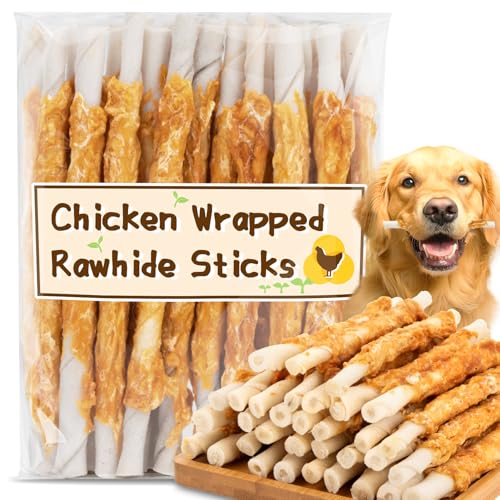
My Dog Won't Eat Dog Food But Will Eat Treats
If your dog turns up their nose at every meal but magically finds room for treats, you are not alone — and it is rarely just stubbornness. Here is what is really happening and how to get mealtime back on track.
Few things worry a dog owner more than a dog who walks away from a full bowl. The confusion deepens when that same dog happily accepts a biscuit, a piece of cheese, or a training treat minutes later. It is tempting to conclude that your dog is simply being fussy, but the pattern of refusing regular food while accepting treats is a specific and useful clue. It tells you something about palatability, about habit, and sometimes about health.
This guide explains the most common reasons behind this behavior, how to tell a behavioral problem from a medical one, and exactly what to do next. The goal is not to force your dog to eat — it is to rebuild a healthy, reliable eating routine so your dog gets complete nutrition instead of a diet of high-value snacks.
Why Dogs Refuse Food but Accept Treats
Dogs are opportunistic eaters by nature, but they are also creatures of habit and learning. When a dog rejects their bowl yet accepts a treat, several forces are usually at work at the same time. Understanding these forces is the first step toward fixing the problem.
The Palatability Gap
Treats are engineered to be irresistible. They typically contain more fat, more sugar or salt, more concentrated meat flavor, and stronger aromas than everyday kibble. A dog's sense of smell is far more sensitive than ours, so the difference between a bowl of kibble and a piece of jerky is enormous. From your dog's perspective, the bowl is plain and the treat is a reward.
The Learning Loop
Dogs learn quickly. If refusing the bowl is followed by something better — a treat, a scrap from the table, or a different food — the refusal gets reinforced. This is called learned finickiness, and it is one of the most common reasons a dog will hold out for treats. The dog is not being defiant; they have simply learned that patience pays better.
The Discomfort Signal
Soft, chewy treats require little chewing and are easy on a sore mouth. Hard kibble does not. A dog with dental pain, a chipped tooth, gum inflammation, or a sore throat may refuse dry food while still accepting soft treats. Treats are also often small and easy to swallow, which makes them attractive to a dog with nausea or reduced appetite.
The Routine Shift
Changes in feeding time, a new location for the bowl, a busy household, or competition from another pet can all reduce interest in the bowl. Dogs are sensitive to routine, and a small disruption can look like a loss of appetite even when nothing is medically wrong.
The key distinction: A dog who refuses food but eats treats is still eating. That means their appetite is not completely gone. This is usually more hopeful than a dog who refuses everything — but it also means the problem can hide for longer, because your dog is not losing weight fast enough to alarm you.
Medical Causes You Should Rule Out
Before you assume your dog is being picky, consider that refusing regular food is one of the earliest and most common signs of discomfort or illness. Because treats are soft, aromatic, and highly rewarding, a sick dog will often still accept them. Always rule out medical causes first, especially if the behavior is new.
- Dental disease and oral pain: Broken teeth, gum disease, abscesses, and oral ulcers make hard kibble painful to chew. Soft treats slip past the sore spot. Watch for bad breath, drooling, pawing at the mouth, or chewing on one side.
- Gastrointestinal upset: Nausea, gastritis, inflammatory bowel disease, and food sensitivities can reduce interest in a full meal while a small treat still seems manageable. Vomiting, loose stool, or a gurgling stomach often accompany this. If your dog has other digestive signs, see our guide on throwing up bile and refusing to eat.
- Dental and oral conditions in older dogs: Senior dogs are especially prone to painful teeth and gums. If your older dog also has trouble with hard food, the guide on soft dry food for dogs with bad teeth explains practical options.
- Organ disease: Kidney disease, liver disease, and pancreatitis commonly reduce appetite. A dog may eat treats because they are small and rich, but refuse large meals. Bloodwork and a physical exam are the only reliable way to rule these out.
- Pain elsewhere: Arthritis, back pain, or abdominal pain can make standing at a bowl uncomfortable. A dog in pain may prefer to eat smaller items offered by hand.
- Recent vaccination or medication: Some medications, including certain antibiotics and pain relievers, cause nausea or reduced appetite. If the refusal started soon after a vet visit or a new medication, mention it to your vet.
Practical test: Offer a small piece of the regular kibble softened in warm water and mashed. If your dog eats the softened version but refuses the dry version, dental or oral pain is a strong possibility. If your dog refuses both the softened food and the dry food but accepts a treat, the issue is more likely behavioral or related to the food itself.
Behavioral Causes and Learned Finickiness
If your vet has ruled out medical problems, the most likely explanation is a learned pattern. Dogs are masters at training their humans, and mealtime is one of the easiest places to do it.
How the Cycle Starts
It often begins innocently. Your dog skips a meal, you worry, and you add something tasty to the bowl or hand-feed a treat. Your dog learns that refusing food produces something better. The next time, they refuse a little longer. Within a week or two, you have a dog who will not touch plain kibble but will happily eat treats all day. This is not a character flaw — it is a predictable result of inconsistent consequences.
Common Reinforcers
- Toppers and mix-ins added after refusal: If the tasty addition only appears when the dog refuses, refusal becomes the strategy that works.
- Free-feeding: Leaving food down all day removes any sense of schedule and makes food less valuable. Dogs on free-feeding often become casual grazers who ignore the bowl until hunger is extreme.
- Table scraps: Human food is rich and varied, and a dog who gets scraps regularly will often reject plain kibble in favor of waiting.
- Too many treats: Treats can account for a large share of daily calories. A dog full of treats at 3 p.m. has little reason to eat dinner at 6 p.m.
- Stress at mealtime: A noisy kitchen, a crowded household, a new pet, or a bowl placed in a high-traffic area can make a dog avoid eating. Some dogs eat better in a quiet, separate space.
Normal Appetite Variation
Not every skipped meal is a problem. Some dogs naturally eat less on hot days, during travel, after a long car ride, or when their routine changes. Intact females may eat less during certain phases of their cycle. If your dog is otherwise bright, active, drinking normally, and maintaining weight, a single skipped meal is usually not a crisis. The problem is the pattern, not the one-off.
When the Food Itself Is the Problem
Sometimes the issue is not your dog but the contents of the bowl. Dry food in particular is vulnerable to age, storage, and quality problems that owners cannot see or smell.
| Food Problem | How to Recognize It | What to Do |
|---|---|---|
| Stale or rancid kibble | Food has been open for months, smells off, or has been stored in a warm place; dog eats treats but refuses the bowl | Replace with a fresh bag and store in an airtight container in a cool, dry place |
| Sudden recipe change | Refusal began right after opening a new bag or switching formula | Transition gradually over 7 to 10 days, mixing old and new food |
| Poor palatability | Dog has never been enthusiastic about this food; refuses it consistently but enjoys treats | Consider a more palatable formula or a different protein; see our guide on when your dog stops wanting dry food |
| Food sensitivity or allergy | Refusal plus itching, ear infections, loose stool, or gas | Discuss a limited-ingredient or novel-protein diet with your vet; see novel protein dog food |
| Kibble too hard | Dog chews carefully, drops food, or eats soft treats but not hard kibble | Soften kibble with warm water or transition to a softer formula |
Storage matters more than most owners realize. Once a bag of kibble is opened, the fats begin to oxidize and the aroma fades. A dog who once loved a food may lose interest long before the bag is empty. Storing the full bag in a sealed container and buying smaller bags can make a noticeable difference.
Step-by-Step Fix: Getting Your Dog to Eat
If medical causes have been ruled out, the fix is a combination of structure, patience, and consistency. Most healthy dogs will reset their eating habits within three to seven days when the rules become clear.
- Schedule meals and stick to them. Feed at the same times each day. Put the bowl down, leave it for 15 to 20 minutes, then pick it up whether or not it is empty. No food between meals. This teaches your dog that the bowl is the only source of food and that it will not wait forever.
- Cut treats dramatically for the first few days. Stop all training treats, table scraps, and chews during the reset period. Treats should make up no more than about ten percent of daily calories even in normal times. A dog who is genuinely hungry will eat their food.
- Make the food more appealing, not different. A splash of warm water, a small amount of low-sodium broth, or a spoon of wet food mixed into the kibble can increase aroma. The goal is to make the bowl attractive, not to replace it with a treat. See our guides on dog food toppers and wet dog food for options.
- Feed in a calm, quiet place. Move the bowl away from foot traffic, other pets, and loud appliances. Some dogs eat better from a flat plate rather than a deep bowl, especially dogs with long ears or flat faces.
- Check the food for freshness. Open a fresh bag if the current one has been open for a long time. Smell it yourself — if it smells dull or rancid, your dog already knows.
- Give the reset time to work. A healthy adult dog may skip a meal or two during the transition. Stay calm, keep the schedule, and do not cave in with treats. Most dogs start eating within a few days. Puppies, seniors, and dogs with health conditions should not be allowed to skip more than 12 to 24 hours without a vet check.
- Reward eating, not refusing. If you want to add something tasty, add it when the bowl goes down, not after your dog has refused for ten minutes. Otherwise you are rewarding the refusal.
What not to do: Do not switch foods every day, do not follow your dog around with the bowl, do not hand-feed to get calories in, and do not add high-value treats to the bowl after refusal. Each of these reinforces the very behavior you are trying to fix. Consistency is the medicine.
How to Use Treats Without Spoiling Meals
Treats are not the enemy. They are essential for training, rewarding good behavior, and building your bond. The problem is quantity and timing, not the existence of treats.
- Keep treats small: A pea-sized piece is enough for most rewards. A large biscuit can equal a substantial portion of a small dog's daily calories.
- Use them strategically: Use treats during training sessions and for specific rewards, not as a constant snack throughout the day.
- Do not use treats as meal replacement: If your dog refuses a meal, do not fill the gap with treats later. That turns refusal into a successful strategy.
- Consider the whole diet: Treats should be no more than about ten percent of daily calories. If you are using a lot of treats for training, reduce the meal portion slightly or use part of the daily kibble as training rewards.
- Use treats to build food value, not compete with it: Some owners use a small piece of the regular food as a training reward. This keeps calories balanced and reinforces that the regular diet is valuable.
Switching Foods the Right Way
If you have decided the current food is genuinely not working, switch gradually. A sudden change can cause vomiting, diarrhea, and further refusal, which makes the problem worse and harder to interpret.
- Days 1 to 2: About 75 percent old food, 25 percent new food.
- Days 3 to 4: About 50 percent old food, 50 percent new food.
- Days 5 to 6: About 25 percent old food, 75 percent new food.
- Day 7 onward: All new food, assuming stools remain normal and your dog is eating well.
If your dog picks out the new food and leaves the old, slow down. If they refuse the mix entirely, go back a step. A gradual transition is especially important for dogs with sensitive stomachs. For dogs with known sensitivities, see our guide on food for dogs with allergies and sensitive stomachs.
When choosing a new food, look for a complete and balanced formula appropriate for your dog's life stage, with a named animal protein as the first ingredient. Avoid switching repeatedly out of frustration — repeated changes make it harder to identify what works and can create a dog who waits for the next option.
Warning Signs That Need a Vet
Contact your veterinarian promptly if any of the following occur alongside food refusal. These signs suggest the problem may be medical rather than behavioral.
- Refusal of all food, including treats, for more than 24 hours
- Weight loss or visible ribs and spine
- Vomiting, diarrhea, or both
- Lethargy, weakness, or reluctance to move
- Bad breath, drooling, pawing at the mouth, or dropping food while eating
- Increased thirst or urination
- Abdominal swelling or tenderness
- Any refusal in a puppy, a senior dog, or a dog with a chronic condition such as diabetes
If your dog is showing other digestive symptoms, our related guides on diarrhea and vomiting for three days and not eating with white foam vomiting explain when to seek urgent care.
Frequently Asked Questions
The bottom line: A dog who refuses regular food but eats treats is usually telling you something — about the food, the routine, or their health. Start by ruling out pain and illness with your vet, then reset the routine with scheduled meals, fewer treats, and consistent patience. In most cases, the pattern resolves within a week. If it does not, or if new symptoms appear, professional guidance is the fastest path back to a healthy, happy eater.