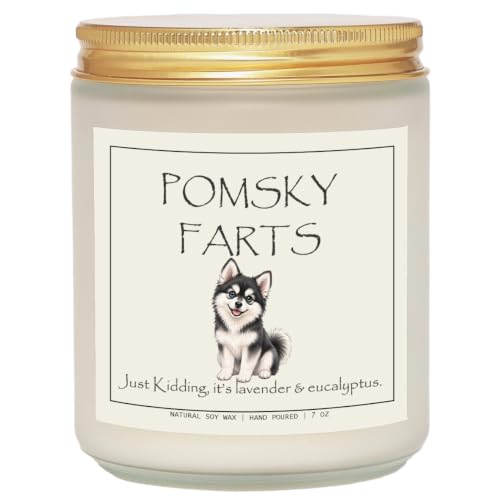
The Complete Pomsky Guide: Care, Temperament & Ownership
Everything you need to know about the Pomeranian-Husky mix — from their surprising energy levels and stubborn streak to grooming that double coat and finding a responsible breeder.
The Pomsky is one of the most striking designer crossbreeds available today — a dog that looks like a miniature Siberian Husky wrapped in a Pomeranian's compact frame. But beneath that photogenic exterior lies a complex mix of traits that catches many new owners off guard. The Pomsky inherits the Husky's energy and independence alongside the Pomeranian's alertness and affection. Understanding which traits surface and how to manage them is the key to a happy life together.
This guide cuts through the cute photos and marketing claims to give you the real picture. Whether you are researching before buying or already have a Pomsky puppy at home, the information here will help you make informed decisions about training, grooming, health, and daily care. If you are still exploring breed options, our dog breeds guide can help you compare the Pomsky against other companion breeds.
What Is a Pomsky?
A Pomsky is a cross between a purebred Pomeranian and a purebred Siberian Husky. The breed emerged in the early 2010s, with the first deliberate litters born in the United States in 2012 through artificial insemination — necessary because of the dramatic size difference between the parent breeds [citation:1]. The goal was to create a dog with the Husky's wolf-like appearance and striking eyes in a much smaller, more apartment-friendly package.
It is important to understand that the Pomsky is not a recognized breed by the AKC, UKC, or FCI. It is a designer crossbreed, which means there is no standardized breed standard and no guarantee of what a puppy will look like or act like when it grows up [citation:1][citation:7]. Two Pomskies from the same litter can vary dramatically in size, coat type, eye color, and temperament.
Key Pomsky Facts at a Glance:
• Parent breeds: Pomeranian (toy spitz) × Siberian Husky (working sled dog)
• Typical weight: 20–30 pounds, though range can be 7–35 pounds
• Height: 10–15 inches at the shoulder
• Lifespan: 12–15 years
• Coat: Double coat, heavy shedder, blows coat twice yearly
• Energy level: Moderate to high — more than expected for their size
• Recognition: Not AKC recognized; IKC has begun standards process
Generations and Predictability
Because the Pomsky is a crossbreed, breeders label litters by generation to indicate predictability. An F1 Pomsky has one purebred Pomeranian parent and one purebred Husky parent — these have the widest variation. F1B dogs are bred back to a Husky (F1B-Husky) or Pomeranian (F1B-Pom) to emphasize certain traits. F2 Pomskies come from two F1 parents and tend to be slightly more consistent, though still variable [citation:1]. When researching breeders, ask about generation because it affects what you can reasonably expect from your puppy.
Temperament & Personality
The Pomsky is often described as a "surprise package" because their personality can lean toward either parent. Some are velcro dogs who follow you room to room. Others inherit the Husky's aloof independence and prefer to supervise from a distance. Most fall somewhere in between: affectionate with their chosen people but capable of entertaining themselves when needed.
What almost all Pomskies share is intelligence and a stubborn streak. They are problem-solvers who will test boundaries and quickly learn which family member is easiest to manipulate. This is not a dog that responds well to heavy-handed training — they shut down or push back. Positive reinforcement, patience, and consistency are non-negotiable [citation:2][citation:8].
- Affectionate but selective: Many Pomskies bond intensely with one or two people and are reserved with strangers. Early socialization prevents this from becoming shyness or fear-based reactivity.
- Vocal: They may not be as talkative as a Husky, but they are often more vocal than the average dog. Alert barking at passersby and whining for attention are common [citation:8].
- Playful and energetic: Despite their small size, they have real stamina. A bored Pomsky will invent games — usually ones that involve chewing furniture or digging [citation:2].
- Prey drive: The Husky heritage means many Pomskies have a strong instinct to chase small animals. Cats and small pets need careful, supervised introductions [citation:12].
- Separation sensitivity: Their loyalty makes them prone to separation anxiety. Crate training and gradual alone-time practice from puppyhood are essential [citation:8].
Is a Pomsky right for you?
This is not a lap dog. If you want a quiet companion that sleeps by the fireplace all day, a Pomsky will frustrate you. They need active owners who enjoy daily walks, training games, and interactive play. They are best suited to households with older children who understand dog body language, and they do well with owners who have some prior dog experience [citation:5].
Exercise & Activity Needs
The single biggest mistake new Pomsky owners make is assuming a small dog means small exercise needs. The Husky half of their heritage is a sled dog bred to run for hours. While the Pomeranian influence moderates this somewhat, a Pomsky still needs substantially more activity than a typical toy breed.
Daily Requirements
Plan for 45 to 60 minutes of structured physical activity daily, split into at least two sessions. A morning walk and an evening play session work well for most adult Pomskies [citation:2][citation:12].
Physical exercise alone is not enough. This is a thinking dog that needs mental work to stay balanced. Fifteen minutes of puzzle-solving or training can tire a Pomsky as effectively as a longer walk.
- Walks: Two 30-minute leash walks daily. Use a secure harness or collar — their prey drive means a loose dog may bolt after a squirrel and not look back.
- Backyard play: Fetch, tug, and supervised exploration in a securely fenced yard. Pomskies are escape artists, so check fence integrity regularly.
- Mental enrichment: Puzzle feeders, snuffle mats, frozen stuffed toys, and short training sessions.
- Breed-appropriate activities: Agility, nose work, and trick training suit their intelligence and energy.
Signs Your Pomsky Needs More Exercise:
• Destructive chewing on furniture or shoes
• Excessive barking or whining
• Digging in the yard or garden
• Pacing and inability to settle in the evening
• Jumping on people or nipping during play
If you see these behaviors, increase both physical exercise and mental stimulation before considering training interventions. A tired Pomsky is a well-behaved Pomsky.
Training a Stubborn Mind
Pomskies are intelligent — sometimes too intelligent for their own good. They learn quickly, which means they also learn bad habits quickly and figure out exactly which rules are negotiable. Training a Pomsky requires more patience than training a Golden Retriever, but the payoff is a remarkably responsive and engaged companion.
Training Principles That Work
- Start immediately. Do not wait until your puppy is older. Pomskies form habits fast, and every interaction is a training session whether you intend it or not [citation:7].
- Use positive reinforcement exclusively. Treats, praise, and play are your tools. Punishment-based methods create fear and distrust in this sensitive breed. They will remember and they will hold it against you [citation:2][citation:8].
- Keep sessions short. Ten to fifteen minutes is plenty for a puppy. End while your dog is still engaged and successful. Multiple short sessions per day beat one long one.
- Be consistent across the household. If one person allows jumping on the couch and another forbids it, your Pomsky will exploit the confusion. Everyone must enforce the same rules.
- Socialize intensively during the puppy window. Between 3 and 14 weeks, expose your Pomsky to varied people, sounds, surfaces, and friendly vaccinated dogs. This is the critical period for preventing fear-based behaviors later [citation:5].
Essential Commands for Pomskies
Focus on commands that keep your dog safe and make daily life manageable:
- Recall (Come): Non-negotiable for a dog with prey drive. Practice in a secure area with high-value rewards. Never punish your dog for coming to you, even if they took their time.
- Leave It: Prevents chasing and eating dangerous items. Start with low-value objects and build up to high-distraction scenarios.
- Stay: Useful for door management, vet visits, and grooming. Build duration and distance gradually.
- Crate Training: Essential for managing separation anxiety and providing a safe space. Make the crate a positive place with treats and comfortable bedding.
For more detailed step-by-step instructions, our dog training section covers positive reinforcement methods for every basic command. If your Pomsky develops severe anxiety or reactivity that does not respond to training, consider consulting a professional — our guide on when to see a behaviorist explains the signs that professional intervention is needed.
Grooming the Double Coat
Pomsky grooming is not optional maintenance — it is a daily commitment. Both parent breeds carry dense double coats, and the Pomsky inherits a version that can be soft, silky, or fluffy depending on genetics. The coat looks beautiful but traps loose fur, moisture, and tangles if not managed properly [citation:4].
The Golden Rule of Pomsky Grooming: Never shave a Pomsky. The double coat regulates body temperature in both heat and cold. Shaving damages the coat's structure, can cause it to grow back patchy, and removes the insulation that protects their skin. If you are concerned about heat, brush more frequently and provide shade and water — do not shave [citation:4].
Brushing Routine
- Frequency: Line brush two to three times per week year-round. During seasonal shedding ("coat blow"), brush daily [citation:4].
- Tools: A slicker brush for the surface and a stainless steel comb for checking down to the skin. An undercoat rake is useful during heavy shedding but should be used gently.
- Technique: Part the hair in sections and brush from the skin outward, one thin line at a time. Follow with a comb — if the comb catches, you have found a tangle.
- Problem areas: Behind the ears, under the collar, armpits, belly, rear feathering, and tail base mat first. Give these areas extra attention.
Bathing and Professional Grooming
Most Pomskies need a bath every six to eight weeks, or more often if they get dirty. Use a dog-specific shampoo — human shampoo disrupts the skin's pH and can cause irritation. A professional groomer every eight weeks is worthwhile for most owners, especially during shedding season, as a proper bath and high-velocity dry removes enormous amounts of loose undercoat [citation:4].
Do not neglect the rest of the grooming routine. Nails should be trimmed every two to four weeks. Teeth should be brushed several times weekly — Pomskies are prone to dental issues, and dental disease affects overall health. Check ears weekly and clean as needed with a vet-approved cleaner.
If you are looking for the right tools to manage your Pomsky's coat, our dog brushes guide covers the slickers, combs, and rakes that work best for double-coated breeds. A dog dryer can also help manage the shedding season more effectively than towels alone.
Health Considerations
Because the Pomsky is a relatively new crossbreed, long-term health data is still limited. What veterinarians do know is that Pomskies can inherit conditions from either parent breed. Responsible breeders screen their breeding dogs for common issues, but no guarantee is absolute [citation:3][citation:7].
| Condition | What to Watch For | Parent Breed Link |
|---|---|---|
| Patellar Luxation | Limping, skipping gait, reluctance to jump | Pomeranian |
| Hip Dysplasia | Stiffness, difficulty rising, reluctance to exercise | Husky |
| Eye Conditions | Cataracts, progressive retinal atrophy, cloudiness | Both |
| Dental Disease | Tartar buildup, bad breath, gum inflammation | Pomeranian (small mouth) |
| Tracheal Collapse | Harsh cough, difficulty breathing, exercise intolerance | Pomeranian |
| Skin Allergies | Itching, redness, recurrent ear infections | Both |
Regular veterinary visits are your first line of defense. Annual wellness exams allow your vet to catch subtle changes before they become serious. Keep vaccinations current and maintain year-round parasite prevention. If you notice limping, changes in appetite, coughing, or unusual behavior, do not wait — schedule a vet visit promptly.
For Pomsky owners dealing with specific health concerns, our guides on joint supplements for hip dysplasia and dog dental care provide practical management strategies.
Diet & Nutrition
A Pomsky's nutritional needs depend on their size, age, and activity level. As a small-to-medium breed with high energy, they do best on a diet formulated for small breeds or active dogs, with high-quality animal protein as the primary ingredient.
- Portion control matters. Pomskies can be prone to weight gain, especially if their exercise needs are not being met. Measure food rather than free-feeding, and adjust portions based on body condition.
- Look for AAFCO compliance. The food should state it meets AAFCO standards for complete and balanced nutrition for your dog's life stage [citation:7].
- Dental health support. Given their predisposition to dental issues, consider dental chews or a food designed to reduce tartar buildup. Brushing teeth remains the most effective prevention.
- Treats count. Use small, low-calorie treats for training and subtract them from daily food intake to prevent weight creep.
If your Pomsky has skin allergies or a sensitive stomach, a limited-ingredient diet may help. Our guide on limited ingredient dog food for skin allergies explains how to evaluate options. For general feeding guidance across life stages, see our complete dog food guide.
Finding a Responsible Pomsky Breeder
Because the Pomsky is a designer crossbreed with no official registry oversight, the quality of breeders varies dramatically. Backyard breeders and puppy mills have capitalized on the breed's popularity, producing puppies with unpredictable health and temperament. A responsible breeder is the single most important factor in getting a healthy, well-adjusted Pomsky.
What a Good Pomsky Breeder Does
- Health tests breeding dogs. At minimum, ask about patellar luxation and hip evaluations. Eye clearances are also valuable. A breeder should be able to provide documentation.
- Raises puppies in a home environment. Puppies should be exposed to household sounds, handling, and early socialization. Avoid breeders who keep dogs in kennels or outdoor-only setups.
- Provides a health guarantee and contract. A written contract protects both you and the breeder. It should outline health guarantees, return policies, and spay/neuter requirements if applicable.
- Asks you questions. A good breeder screens potential owners to ensure the puppy goes to a suitable home. If they will sell to anyone with payment, walk away.
- Lets you meet the parents (or at least the mother). Observing the mother's temperament gives you clues about your puppy's likely adult personality.
For detailed guidance on evaluating breeders, our articles on how to find a reputable dog breeder, questions to ask a dog breeder, and red flags of a bad breeder provide checklists you can take with you. If you are specifically looking at puppy listings, our puppy visit checklist will help you know what to observe during your visit.
A Note on Cost: Pomskies are expensive because demand consistently outpaces supply. Prices reflect the breeder's investment in health testing, prenatal care, and early socialization — not just the dog's appearance. A "bargain" Pomsky from an unverified source often becomes a costly health and behavior problem down the line. Budget for quality, and factor in ongoing costs for grooming, veterinary care, and insurance.
Frequently Asked Questions
Is a Pomsky the Right Dog for You?
A Pomsky is a wonderful companion for the right person: someone active, patient, willing to invest time in training and grooming, and prepared for a dog with real energy and a stubborn streak. They are not a low-maintenance lap dog. If you want a small, affectionate companion that adapts to apartment living and enjoys daily adventures with you, a Pomsky could be an excellent fit. If you want a quiet, easy-going dog that requires minimal grooming, look elsewhere. The most important step you can take is finding a responsible breeder who prioritizes health and temperament over appearance. For more guidance on preparing for a new dog, explore our dog care section and puppy guide.