Poodle Puppies: The Complete Owner's Guide
Discover the intelligence, elegance, and charm of Poodle puppies. From selecting the right size to grooming, training, and health care — everything you need to raise a happy, healthy companion.
Poodles are one of the most beloved dog breeds in the world, admired for their intelligence, elegance, and hypoallergenic coats. Whether you are drawn to the majestic Standard Poodle, the compact Miniature, or the tiny Toy, this guide will walk you through everything you need to know before bringing a Poodle puppy into your life.
Renowned for their trainability and gentle nature, Poodles make excellent companions for families, singles, and seniors alike. However, their intelligence and energy require dedicated care, from mental stimulation to regular grooming. This guide covers breed types, care essentials, health considerations, and how to find a reputable breeder.
Poodle Sizes: Standard, Miniature & Toy
The American Kennel Club recognizes three distinct sizes of Poodles, all sharing the same breed characteristics but differing in height and weight. Your choice will depend on your living space, lifestyle, and personal preference.
Standard Poodle
- Height: Over 15 inches
- Weight: 40–70+ lbs
- Best for: Active families, those with space
- Lifespan: 12–15 years
The largest and most athletic of the three. Standard Poodles were originally bred as water retrievers and enjoy swimming and vigorous activity. They are known for their calm, confident demeanor.
Miniature Poodle
- Height: 10–15 inches
- Weight: 10–15 lbs
- Best for: Apartments, moderate activity
- Lifespan: 14–16 years
A perfect balance of size and energy. Miniatures are highly adaptable, making them excellent companions for both city and suburban living. They share the same intelligence and trainability as their larger counterparts.
Toy Poodle
- Height: Under 10 inches
- Weight: 4–6 lbs
- Best for: Seniors, small homes
- Lifespan: 14–18 years
The smallest and most delicate. Toy Poodles are affectionate lap dogs that thrive on close companionship. Despite their size, they are intelligent and spirited, requiring daily walks and mental engagement.
Poodle Care & Grooming Essentials
Poodles have a unique, single-layer coat that is curly and continuously growing. This makes them hypoallergenic but also high-maintenance. A consistent grooming routine is non-negotiable for their health and comfort.
Daily & Weekly Care
- Brushing: Daily brushing is recommended to prevent matting. Use a slicker brush and a metal comb to reach the skin.
- Bathing: Bathe your puppy every 3-4 weeks using a high-quality dog shampoo designed for sensitive skin.
- Ears: Poodles are prone to ear infections. Clean their ears weekly with a vet-approved solution.
- Dental: Brush their teeth at least 3 times a week to prevent dental disease, which is common in Poodles.
- Nails: Trim nails every 2-3 weeks. Use nail clippers for a dog to avoid quick injury.
Professional Grooming
Professional grooming every 4–6 weeks is essential. A groomer will not only trim the coat but also express anal glands, clean ears, and trim nails. This regular maintenance prevents health issues and keeps your Poodle looking and feeling their best.
Cost Expectation: Professional grooming for a Poodle typically costs between $60 and $120 per session, depending on size and coat condition. Budget for this as a regular expense.
Training Your Poodle Puppy
Poodles are among the most intelligent dog breeds, often ranking second only to the Border Collie. This intelligence, combined with their eagerness to please, makes them highly trainable. However, their cleverness also means they need consistent and varied mental challenges.
Start training your Poodle puppy as soon as you bring them home. Focus on puppy socialization early, exposing them to different people, environments, and sounds. Positive reinforcement methods work best — use treats, praise, and play to reward desired behaviors.
- House Training: Poodles are generally clean dogs and respond well to a consistent potty training schedule. Crate training is highly effective.
- Basic Commands: Teach "sit," "stay," "come," and "leave it." Their intelligence means they often learn new commands in just a few repetitions.
- Tricks: Poodles love to perform. Teach them tricks like "roll over," "play dead," or "spin." This provides excellent mental stimulation.
- Leash Walking: Practice loose leash walking to ensure enjoyable walks. Use a harness to prevent neck strain.
Pro Tip: Poodles are sensitive dogs. Harsh training methods or punishment can damage their trust and lead to anxiety. Use gentle guidance and positive reinforcement to build a lifelong bond.
Health & Nutrition for Poodles
Generally healthy, Poodles are prone to certain hereditary conditions. Regular veterinary checkups, a balanced diet, and proper exercise are key to a long, healthy life. The average lifespan is 12–15 years, with Toys often living the longest.
Common Health Issues
- Hip Dysplasia: Common in Standard Poodles. Maintaining a healthy weight and providing joint supplements can help.
- Progressive Retinal Atrophy (PRA): A genetic eye condition that can lead to blindness. Responsible breeders screen for this.
- Addison's Disease: An adrenal gland disorder. Symptoms include lethargy and vomiting.
- Bloat: A life-threatening condition common in deep-chested breeds like Standards. Consider a preventive gastropexy.
- Patellar Luxation: Common in Toy and Miniature Poodles. This is a slipping kneecap that may require surgery.
Feeding Guide
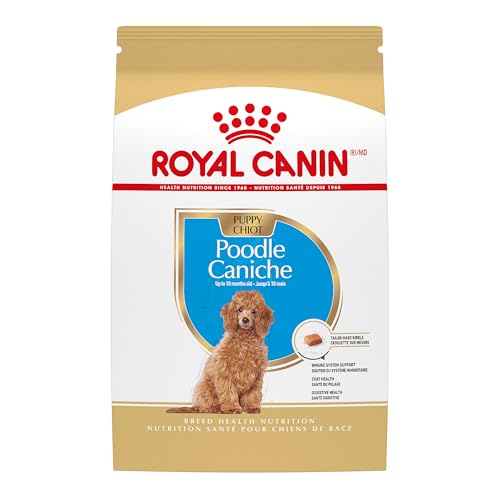
Choose a high-quality, life-stage appropriate food. For growing puppies, select a large breed puppy food or a small-breed formula depending on size. Poodles can be picky eaters, but a consistent feeding schedule (two meals per day for adults) is recommended.
- Puppy (under 1 year): 3-4 meals per day of premium puppy food.
- Adult: 2 measured meals per day.
- Weight Management: Monitor their weight closely, as even a few extra pounds can exacerbate joint problems.
- Supplements: Joint supplements for German Shepherds and other large breeds can also benefit Standard Poodles.
Finding a Reputable Poodle Breeder
Finding a responsible breeder is the most important step in getting a healthy, well-adjusted Poodle puppy. A good breeder prioritizes the health and temperament of their dogs over profit and will be a lifelong resource for you.
Start your search with the Poodle Club of America or local breed clubs. These organizations maintain breeder referral lists and can guide you to ethical breeders who adhere to strict standards. Avoid pet stores and online marketplaces where puppy mills often operate.
When you find a breeder, ask about health clearances for hip dysplasia, PRA, and von Willebrand's disease. A reputable dog breeder will be transparent about testing and will encourage you to meet the puppy's parents.
Red Flags: Multiple litters available at all times, unwillingness to show health clearances, or reluctance to let you visit their facility. For more information, read about red flags of a bad dog breeder.
Questions to Ask a Breeder
- Can you provide health clearances for both parents?
- What health issues are common in your bloodlines?
- How do you socialize your puppies?
- What type of grooming and feeding routine do you recommend?
- Do you offer a health guarantee?
Visiting the breeder's home or facility is crucial. Look for clean, spacious environments and puppies that are active and curious. A good breeder will also be interested in your lifestyle to ensure a good match.
Frequently Asked Questions
Ready to Welcome a Poodle Puppy?
Poodles are wonderful companions, but they are a significant commitment. By choosing a reputable breeder, committing to their grooming and exercise needs, and providing early training and socialization, you will be rewarded with a loyal, intelligent, and loving family member for years to come.