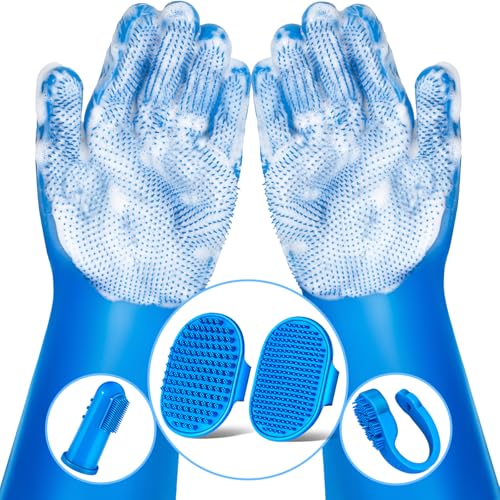
Puppy Grooming: Essential First Steps
Learn safe, gentle, and effective grooming techniques to keep your puppy healthy, happy, and looking their best. From bath time to nail trims, we cover it all.
Grooming is more than just making your puppy look adorable—it's a vital part of their health and well-being. Regular grooming sessions help you build trust, bond with your new companion, and monitor their skin, ears, and teeth for any early signs of problems. For a puppy, these early experiences can shape how they feel about grooming for the rest of their life, so a positive, gentle approach is crucial.
Whether you have a Poodle puppy that needs frequent clipping or a short-haired Rottweiler puppy that only needs occasional brushing, the fundamentals remain the same. This guide will walk you through every step of the process, from gathering the right tools to handling your puppy with confidence. For more detailed guidance on specific breeds, check out our Puppy Guide.
Essential Puppy Grooming Tools
Having the right tools makes the grooming process safer and more enjoyable for both you and your puppy. Investing in quality equipment from the start can save you frustration and ensure your puppy's comfort.
Brushes & Combs
Slicker Brush: Ideal for removing tangles and loose fur. Gentle enough for puppy coats.
Bristle Brush: Great for short, smooth coats. Provides a nice massage and distributes natural oils.
Metal Comb: Essential for checking your work and removing any remaining tangles, especially around sensitive areas like the face and feet.
$10–$40Bathing & Drying
Puppy Shampoo & Conditioner: Choose a mild, pH-balanced, tearless formula. Avoid human or adult dog shampoos.
Towels: Have plenty of absorbent towels ready. Microfiber towels are excellent.
Hair Dryer: A low-heat, low-noise pet dryer is best. Start on a cool setting to avoid startling your puppy.
$15–$75Nail & Ear Care
Nail Clippers: Choose between guillotine-style or scissor-style clippers. Make sure they are sharp.
Styptic Powder: Essential for stopping accidental bleeding if you cut the quick.
Ear Cleaning Solution: A vet-approved, gentle ear cleaner is a must for preventing infections.
$8–$25Dental Care
Dog Toothbrush: Use a soft-bristled brush designed for dogs. Finger brushes are great for starting out.
Dog Toothpaste: Never use human toothpaste; it contains xylitol which is toxic to dogs. Choose a puppy-safe flavor.
Dental Wipes: A good alternative for puppies who are not yet ready for a brush.
$5–$20Step-by-Step Grooming Guide
1. Brushing Your Puppy
Brushing should be a positive, relaxing experience for your puppy. Start slowly, using gentle strokes. Focus on one area at a time, offering treats and praise throughout. This not only keeps their coat healthy but also helps you bond and teaches them to enjoy handling. For puppies with sensitive skin, a soft brush is recommended. Regular brushing helps you spot any skin irritations or parasites early on.
2. Bathing Your Puppy
Puppies generally don't need frequent baths—every 4 to 6 weeks is sufficient unless they get particularly messy. Use lukewarm water and a gentle, puppy-specific shampoo. Protect their ears with cotton balls to prevent water from getting in. Rinse thoroughly to avoid skin irritation. Always dry your puppy completely after a bath to prevent them from getting cold, and make the experience as calm as possible. If your puppy is anxious, consider using a calming product before bath time.
3. Trimming Nails
Nail trimming is often the most dreaded task for new puppy owners. Start by handling your puppy's paws frequently so they get used to the sensation. Use sharp, high-quality clippers. Trim just the tip of the nail, avoiding the quick (the blood vessel inside). If your puppy has white nails, you can see the quick as a pink area. For dark nails, trim in small increments. Keep styptic powder close by in case of bleeding. If you are unsure, ask your vet or a professional groomer for a demonstration.
4. Cleaning Ears
Regular ear cleaning is crucial, especially for floppy-eared breeds. Check your puppy's ears weekly for redness, odor, or excessive wax. To clean, use a vet-approved ear cleaner. Gently lift the ear flap and apply a few drops of the solution. Massage the base of the ear for about 20 seconds, then use a cotton ball to wipe away debris from the outer ear. Never insert anything into the ear canal. This is a great time to check for signs of ear infections.
5. Dental Care
Start a dental care routine early to prevent plaque buildup and gum disease. Use a soft finger brush or a toothbrush designed for dogs. Apply dog-friendly toothpaste and brush in gentle, circular motions. Even a few seconds of brushing daily can make a huge difference. For puppies who are resistant, dental wipes or toys can be helpful. Good dental hygiene is linked to overall health, including a lower risk of heart disease.
Pro Tip: Always end each grooming session on a positive note with lots of praise, a favorite treat, or a play session. This builds a positive association and makes future grooming much easier. Patience and consistency are your best tools.
Comparison of Popular Grooming Tools
Choosing the best tools can be overwhelming. Here's a quick comparison of common grooming tool types to help you decide what's best for your puppy.
| Tool Type | Best For | Pros | Cons | Price Range |
|---|---|---|---|---|
| Slicker Brush | Medium to long coats, removing tangles | Effective, good for removing dead undercoat | Can scratch skin if used too hard | $10–$30 |
| Bristle Brush | Short coats, daily brushing | Gentle, distributes natural oils, great for massage | Not effective on tangles or mats | $8–$20 |
| Guillotine Nail Clipper | Most dogs, especially small to medium | Easy to see the tip, good control | Can be harder to use on thick nails | $10–$25 |
| Scissor Nail Clipper | Large dogs, thick nails | Strong, less likely to crush the nail | Heavier, can be intimidating for new owners | $12–$30 |
Common Puppy Grooming Mistakes to Avoid
- Using human shampoo: This can dry out your puppy's skin and cause irritation. Always use a puppy-specific shampoo.
- Cutting nails too short: This is painful and can damage the nail bed. Trim small amounts and use styptic powder if bleeding occurs.
- Rushing the process: A hurried grooming session can be stressful and create a negative association. Take your time and make it a positive experience.
- Forgetting to dry completely: Leaving a puppy damp can lead to skin problems and matting. Ensure they are thoroughly dried, especially in cooler months.
- Neglecting dental care: Dental hygiene is often overlooked. Start early to prevent serious issues later on, such as dental disease.
Professional Grooming vs. At-Home Grooming
While many puppy owners choose to groom their puppies at home, there are times when professional grooming is a better choice. For breeds with complex grooming needs, such as Poodles or Shih Tzus, professional groomers have the skills and tools to manage their coats effectively. Professional grooming is also a great option if your puppy is particularly anxious, or if you don't have the time or confidence to do it yourself. Many owners find a combination of at-home maintenance and occasional professional visits works best.
Professional groomers can also spot health issues you might miss, such as skin problems, lumps, or parasites. It's also an excellent way to get your puppy used to being handled by strangers. The cost of a professional groom varies depending on your location, breed, and the services required, but it typically starts around $40 and can go up to $100 or more for full-service grooming.
Frequently Asked Questions About Puppy Grooming
Ready to Start Grooming Your Puppy?
Grooming your puppy at home is a wonderful way to build a strong bond and ensure their well-being. It might seem daunting at first, but by taking it slowly and using the right tools, you'll quickly get the hang of it. Remember, every puppy is different, so be patient and adjust to their comfort level. If you ever feel unsure, don't hesitate to seek professional help. The most important thing is that your puppy feels safe and loved.
For more comprehensive information on all aspects of puppy care, from potty training to socialization, be sure to explore the rest of our puppy guides. And when you're ready to purchase the grooming tools you need, check out the recommended products below to give your puppy the best start.