Puppy Crates for Small Dogs: The Complete Buying & Training Guide
Choosing the right crate for your tiny puppy is about far more than just finding a box that fits. It's about safety, comfort, and building a foundation for lifelong good behavior. This guide helps you understand exactly what to look for.
If you're bringing home a small breed puppy, a crate is one of the most important purchases you'll make. It's not a cage — it's a personal space that provides security, aids in potty training, and keeps your puppy safe when you can't supervise them. For tiny breeds like Chihuahuas, Yorkies, Pomeranians, and Toy Poodles, the stakes are even higher because their small size makes them vulnerable to household hazards like being stepped on or squeezing into dangerous spaces.
This guide walks you through every decision you'll face when choosing puppy crates for small dogs — from measuring your pup correctly to selecting the right material and type — so you can make a confident, informed purchase. Whether you're a first-time puppy parent or updating your setup, the principles here apply.
Why Small Dogs Need a Crate
Crate training is one of the most misunderstood aspects of dog ownership. Many people see crates as cruel, but when introduced correctly, a crate becomes a safe haven — a place your puppy chooses to retreat to when they want to rest. For small breeds, the benefits are especially significant:
- Safety during unsupervised time: Small puppies are at risk of chewing electrical cords, swallowing small objects, or getting trapped in tight spaces. A crate keeps them safe when you can't watch them.
- Faster potty training: Dogs naturally avoid soiling their sleeping area. A properly sized crate teaches bladder control faster than any other method.
- Prevents destructive behavior: Boredom and teething lead to chewed furniture and shoes. Crating prevents these habits from forming in the first place.
- Travel and vet visits: A crate-trained puppy is far easier to transport safely, whether in a car or at the vet's office.
- Den instinct: Dogs are den animals by nature. A crate provides the enclosed, secure space they instinctively seek out.
For tiny breeds, a crate also protects against hazards unique to their size: larger pets, being underfoot, or slipping through gaps in furniture. If you're still in the preparation phase, our puppy preparation guide covers how to set up a safe environment before your new arrival comes home.
The Core Principle: A crate should never be used for punishment. If your puppy associates the crate with negativity, training will fail. Always make the crate a rewarding, positive place.
How to Choose the Right Size Crate
Crate sizing is the most common mistake new owners make. Too small and your puppy is uncomfortable and unsafe. Too large and your puppy will use one corner as a bathroom, defeating the purpose of potty training.
Measuring Your Puppy Correctly
To find the right crate size, measure your puppy while standing:
- Length: Measure from the tip of their nose to the base of their tail. Add 2-4 inches for comfort and growth.
- Height: Measure from the floor to the top of their head (or ears, if they stand erect). Add 2-4 inches so they can stand without crouching.
- Width: Your puppy should be able to turn around freely. A crate that's too narrow prevents this essential movement.
Because puppies grow quickly, choose a crate sized for your dog's adult dimensions and use a divider panel to reduce the space while they're young. This way, you buy once instead of replacing the crate every few months. For a deeper dive into sizing across breeds, see our dog crates guide.
| Dog Size | Adult Weight (approx.) | Typical Crate Dimensions | Common Breeds |
|---|---|---|---|
| Teacup / Toy | Under 5 lbs | 18"L x 12"W x 14"H | Chihuahua, Yorkie, Maltese |
| Small | 5–15 lbs | 24"L x 18"W x 19"H | Pomeranian, Toy Poodle, Shih Tzu |
| Small-Medium | 15–25 lbs | 30"L x 19"W x 21"H | French Bulldog, Beagle, Cocker Spaniel |
| Medium | 25–40 lbs | 36"L x 23"W x 25"H | Border Collie, Bulldog, Australian Shepherd |
If you're still deciding on a breed, our popular dog breeds guide can help you understand adult size ranges before you commit. And if you're considering a specific toy breed, resources like our Pomeranian puppies guide give detailed growth insights.
Types of Crates for Small Puppies
Not all crates are created equal. Each material and design has trade-offs. Here's how the main options compare for small dogs:
Wire Crates
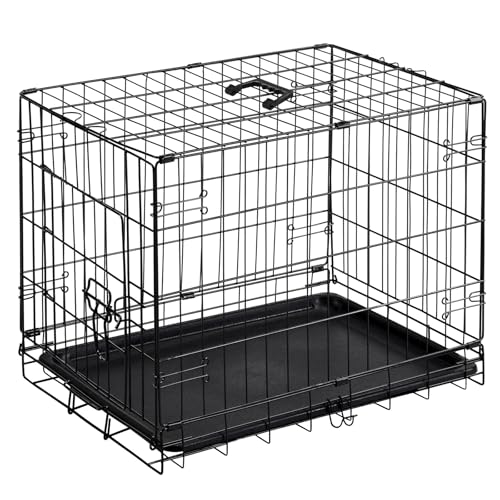
The most popular choice for home use. Excellent airflow, full visibility, and most models include a divider panel for growing puppies. Easy to fold flat for storage. Best for potty training and everyday home use.
Mid-range to premiumPlastic (Vari-Kennel) Crates
Enclosed, den-like design that many puppies find calming. Ideal for travel, car rides, and vet visits. Less airflow than wire but more secure feeling. Airline-approved models are available.
Entry-level to mid-rangeSoft-Sided Crates
Lightweight fabric crates perfect for travel and temporary use. Not suitable for chewers — a determined puppy can tear through fabric. Great for calm, crate-trained adult small dogs on the go.
Budget-friendly to mid-tierFurniture-Style Crates
Wooden or decorative crates that double as end tables or nightstands. Blend seamlessly into home decor. Heavier and less portable, but ideal for owners who want a permanent, attractive setup.
Premium to luxuryMany small dog owners use a combination: a wire crate at home and a plastic or soft-sided crate for travel. If you also need containment options for a larger area, consider an puppy exercise pen as a complementary solution.
Safety Features to Prioritize
Small puppies are fragile. A poorly made crate can pose serious risks, from sharp edges to escape opportunities. Here's what to check before you buy:
- Bar spacing: For toy breeds, bar spacing should be no more than 1 to 1.5 inches. Wider spacing allows tiny heads to get stuck — a serious hazard.
- Secure latches: Small dogs are surprisingly clever escape artists. Look for crates with dual latches or locking mechanisms that a paw can't nudge open.
- No sharp edges or protruding wires: Run your hand along the interior to check for manufacturing defects.
- Sturdy base: The floor should be solid and flat, with no gaps where tiny paws could slip through.
- Non-toxic finishes: If the crate is painted or coated, verify it uses pet-safe, lead-free materials.
- Removable divider panel: Essential for puppies — it lets you adjust space as they grow and prevents accidents in oversized crates.
Pro Tip: Remove collars, tags, and harnesses before crating your puppy. These can snag on crate bars and create a strangulation risk — a particular concern for tiny breeds.
Crate Training Fundamentals
A crate is only useful if your puppy accepts it willingly. Crate training requires patience and consistency, but done correctly, most puppies learn to love their crate within a week or two.
Step-by-Step Introduction
- Set up the crate correctly: Place it in a quiet but social area — not an isolated room, and not in the middle of a busy hallway. Add a comfortable pad and a safe chew toy.
- Make it inviting: Feed meals inside the crate with the door open. Toss treats in randomly so your puppy discovers the crate is a source of good things.
- Close the door briefly: Once your puppy enters willingly, close the door for just a few seconds. Reward calm behavior, then open the door. Gradually extend the duration.
- Practice departures: Leave the room for short periods while your puppy is crated. Return calmly. Build up to longer absences without drama.
- Use it at night: Most puppies sleep in their crate at night from day one. Keep the crate near your bed for the first few nights to ease anxiety.
For detailed help with nighttime crating, our guide on how to stop your puppy from crying in the crate covers proven strategies. And if you're just bringing your puppy home, the first night with a new puppy is a crucial read.
How Long Can a Puppy Stay in a Crate?
Use the "one hour per month of age, plus one" rule as a general guideline:
- 2 months old: maximum 2-3 hours during the day
- 3 months old: maximum 3-4 hours
- 4 months old: maximum 4-5 hours
- 6 months and older: up to 6 hours during the day
These limits apply to daytime crating. Overnight, most puppies can sleep in their crate longer as long as they're not waking with accidents. Never crate a puppy all day while you're at work — arrange for a midday potty break or use an exercise pen with a potty pad. Our pee pee pads for puppies guide can help with indoor potty setup.
Common Crate Mistakes to Avoid
- Buying a crate that's too large: A crate sized for adult dogs without a divider encourages potty accidents. Always use the divider.
- Using the crate for punishment: This destroys the crate's value. It must always be a positive place.
- Crating for too long: Young puppies can't hold their bladder for long. Excessive crating causes accidents, stress, and can harm physical development.
- Ignoring crying: Some crying is normal during early training, but prolonged distress needs attention. Check for potty needs, hunger, or discomfort first.
- Forgetting to remove collars: A collar can snag on a crate bar. Always remove it before crating.
- Skipping the bed: A bare plastic tray is uncomfortable and cold. Provide a washable crate pad.
- Not transitioning the crate location: Start near your bed at night, then move the crate gradually to its permanent location.
If you're dealing with a puppy who also needs to be contained in rooms, a puppy gate for doorway is an excellent supplement to a crate. And for puppies who need extra chewing outlets in their crate, our puppy chew toys guide covers safe options.
Frequently Asked Questions
Ready to Choose Your Crate?
The right crate is an investment in your puppy's safety and your peace of mind. Focus on proper sizing, sturdy construction, and a positive introduction. If you're also preparing for other aspects of puppy care, our complete puppy guide and puppy supplies checklist will help you get everything in order before your new companion arrives.