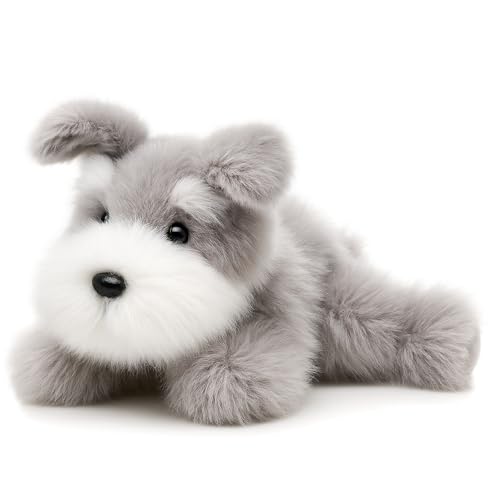
Schnauzer Dog Breed: The Complete Care Guide
Everything you need to know about living with a Schnauzer — from grooming that iconic beard to managing their spirited temperament, health risks, and exercise needs.
The Schnauzer is one of the most recognizable dog breeds in the world — defined by that distinctive bearded muzzle, bushy eyebrows, and wiry coat. But beneath the handsome exterior is a highly intelligent, spirited, and devoted companion that has earned its place in homes across the globe for generations.
Originally bred in Germany as a versatile farm dog, the Schnauzer was expected to catch rats, guard the homestead, and herd livestock — often on the same day. That working heritage explains much of what modern owners love (and sometimes struggle with) about the breed: sharp intelligence, boundless energy, a protective instinct, and a stubborn streak that demands respect.
This guide covers everything a prospective or current Schnauzer owner needs — from choosing between the Miniature and Standard varieties to grooming that beard, managing common health risks, and training a dog that is smarter than most owners expect. Whether you are researching before bringing one home or looking to improve the care of the Schnauzer already in your life, the information here will help you make confident, informed decisions.
Schnauzer Breed Overview
The Schnauzer is a German breed whose name comes from the German word schnauze, meaning "snout" or "muzzle" — a direct reference to the breed's most famous feature. There are three distinct sizes recognized today, but they share a common ancestry, temperament, and characteristic appearance.
- Origin: Germany, with roots dating back to the 15th and 16th centuries. The breed was developed from rough-coated herding dogs, likely crossed with Poodles and Wirehaired Pinschers.
- Original purpose: All-around farm dog — ratting, guarding, herding, and driving livestock to market.
- Coat type: Wiry, harsh outer coat with a soft undercoat. Recognized colors include salt-and-pepper, black, and black-and-silver.
- Size range: Miniature (11–20 lbs), Standard (30–55 lbs), and Giant (55–95 lbs).
- Lifespan: Miniature 12–15 years; Standard 13–16 years; Giant 10–12 years.
- Energy level: Moderate to high, depending on size. All three varieties are active and need daily exercise.
- Shedding: Low. The wiry coat sheds minimally, which is why Schnauzers are often recommended for allergy-sensitive households.
Quick Note on "Hypoallergenic": No dog is truly hypoallergenic. Schnauzers produce less dander and shed less than many breeds, which can reduce symptoms for some allergy sufferers — but individual reactions vary. Spend time with a Schnauzer before committing if allergies are a concern.
Miniature, Standard & Giant: Which Schnauzer Is Right for You?
The three Schnauzer varieties are not simply scaled versions of one another — they differ in energy requirements, training needs, space requirements, and health profiles. Choosing the right size for your lifestyle is the single most important decision a prospective owner makes.
Miniature Schnauzer
The most popular variety. Compact, adaptable, and well-suited to apartment living. Alert and vocal — an excellent little watchdog. Affectionate with family but can be wary of strangers. Prone to pancreatitis and bladder stones, so diet management matters.
Best for: apartments & smaller homesStandard Schnauzer
The original Schnauzer and the true "middle ground." Athletic, confident, and highly trainable. Needs a job to do and an active owner. Excellent with children when raised alongside them. Thrives with structured training and plenty of outdoor time.
Best for: active families with a yardGiant Schnauzer
A powerful working dog with serious exercise needs — 1.5 to 2 hours daily. Protective and territorial, making early socialization and firm, fair training essential. Not a first-time dog for most owners. Requires a confident handler and consistent structure.
Best for: experienced owners with spaceComparing the Three
All three share the trademark beard, wiry coat, and spirited personality. The key differences are exercise requirements, space needs, and health risks. Miniatures fit almost anywhere; Standards need an active household; Giants need a dedicated working-dog lifestyle.
Choose by lifestyle, not looks| Feature | Miniature | Standard | Giant |
|---|---|---|---|
| Weight | 11–20 lbs | 30–55 lbs | 55–95 lbs |
| Daily Exercise | 30–45 minutes | 1–1.5 hours | 1.5–2 hours |
| Apartment Friendly | Yes, with walks | Possible with effort | Not recommended |
| First-Time Owner | Good fit | Moderate | Experienced only |
| Typical Lifespan | 12–15 years | 13–16 years | 10–12 years |
Temperament & Personality
If you ask a longtime Schnauzer owner to describe the breed, you will likely hear words like "smart," "stubborn," "loyal," and "mischievous." The Schnauzer is not a passive lap dog — it is an active, thinking companion with strong opinions and a strong sense of territory.
Core Personality Traits
- Intelligent and quick to learn: Schnauzers understand new commands quickly — sometimes faster than their owners can teach them. This intelligence cuts both ways: an under-stimulated Schnauzer will invent its own entertainment, which is rarely what the owner had in mind.
- Loyal and protective: The breed forms strong bonds with its family and takes its watchdog duties seriously. Expect alert barking at unfamiliar sounds and a natural wariness of strangers that must be managed through socialization.
- Independent and stubborn: The terrier heritage shines through. Schnauzers are not blindly obedient — they want to know why they should comply. This is not defiance; it is intelligence looking for motivation.
- Playful and energetic: Even the Miniature retains a working-dog spark. Schnauzers enjoy games, chasing, and interactive play well into adulthood and often into their senior years.
- Affectionate on their own terms: Schnauzers are loving and devoted, but they are not usually clingy. They enjoy being near their people and will happily follow you from room to room — but often on their own schedule.
Living With a Schnauzer
Schnauzers tend to do best in homes where they are treated as part of the family rather than as furniture. They are sensitive to tension and respond poorly to harsh handling. At the same time, they need clear boundaries — a Schnauzer raised without structure quickly learns to run the household.
They are generally good with children when raised alongside them and socialized properly. However, their herding and guarding instincts mean they may try to control or "police" younger children. Supervision is essential, as with any dog, and children should be taught how to interact respectfully.
With other pets, early introduction makes a significant difference. Schnauzers can live peacefully with cats and other dogs when socialized from puppyhood, though their instinct to chase small animals — a legacy of their ratting heritage — may never fully disappear. Smaller pets such as hamsters and birds should always be kept securely separated.
Socialization Tip: The critical window for socialization is between 3 and 14 weeks of age. Expose your Schnauzer puppy to many different people, sounds, surfaces, and gentle dogs during this period — in a positive, controlled way. This single effort reduces reactivity, fear, and aggression problems later more than any other preventive measure.
Grooming & Coat Care
The Schnauzer's coat is its signature — and its maintenance burden. That iconic beard, the bushy eyebrows, and the dense wiry jacket all require regular attention. Owners who neglect grooming end up with matted fur, skin infections, and a dog that is uncomfortable in its own coat.
The Schnauzer Coat
Schnauzers have a double coat: a harsh, wiry outer layer that repels dirt and moisture, and a soft, dense undercoat for insulation. This combination made the breed well-suited to German farm work in all weather — but in a modern home, it requires deliberate maintenance.
Grooming Schedule
- Brushing: 2–3 times per week for adults. Use a slicker brush and a metal comb to work through the undercoat and prevent tangles, paying special attention to the beard, legs, and behind the ears.
- Professional grooming: Every 4–6 weeks. This is not optional for most Schnauzers. A groomer will clip or strip the coat, trim the beard and eyebrows, shape the furnishings on the legs, and clean the ears.
- Beard care: Wipe the beard after every meal and dry it thoroughly. Moisture trapped in the beard creates a breeding ground for bacteria and causes odor. Many owners keep the beard trimmed shorter in summer or during wet months.
- Bathing: Every 4–6 weeks, or when visibly dirty. Use a dog-specific shampoo formulated for wiry coats. Over-bathing strips natural oils and can make the coat dull and the skin itchy.
- Nail trimming: Every 2–4 weeks. Long nails change the dog's gait and put stress on joints.
- Ear cleaning: Weekly. Schnauzers have floppy ears that trap moisture, increasing the risk of infection.
- Dental care: Brush teeth several times a week to prevent the dental disease that is common in small breeds.
Clipping vs. Stripping
There are two approaches to maintaining the Schnauzer coat, and owners often debate which is better:
- Stripping involves manually removing dead outer hairs by hand or with a stripping knife. It preserves the harsh texture and rich color of the coat — the look seen in show rings. It is time-consuming and usually done by a professional.
- Clipping cuts the coat with electric clippers. It is faster, more comfortable for the dog, and far more practical for pet owners. The trade-off is that clipped coats tend to become softer and lighter over time, losing the wiry texture.
For most pet owners, clipping is the practical choice. If you want to show your Schnauzer or preserve the authentic coat texture, seek out a groomer experienced in hand-stripping.
Grooming Products Worth Owning: A good slicker brush, a metal comb, a pair of blunt-nosed grooming scissors for the face, dog-specific shampoo, and a bag of high-value treats for counter-conditioning. For tools and supplies, see our dog brush guide and dog shampoo selection.
Exercise & Mental Stimulation
A Schnauzer that does not get enough exercise is not a calm dog — it is a bored dog, and bored Schnauzers make their own fun. Chewed furniture, excavated gardens, excessive barking, and door-dashing are all common symptoms of an under-exercised, under-stimulated Schnauzer.
Daily Exercise by Size
- Miniature Schnauzer: 30–45 minutes of daily activity. A brisk walk plus a play session is usually sufficient, but do not underestimate them — many Miniatures happily hike for hours.
- Standard Schnauzer: 1–1.5 hours daily. This is an athletic working dog that needs more than a stroll around the block. Include off-leash running where safe.
- Giant Schnauzer: 1.5–2 hours of vigorous activity. A Giant that is not properly exercised becomes destructive and difficult to manage. This is a serious commitment.
Mental Exercise Matters Just as Much
Schnauzers are thinkers. Physical exercise alone will not satisfy them. Build mental work into every day:
- Puzzle feeders and food toys: Make your dog work for part of its meals. This slows eating, prevents boredom, and engages problem-solving skills.
- Training sessions: Short, frequent sessions (5–10 minutes) teaching new tricks or refining known commands. Mental fatigue is real and useful.
- Scent work: Hide treats or toys around the house and let your Schnauzer search. This taps into the breed's ratting heritage and is deeply satisfying for them.
- Sniffing walks: Let your dog stop and sniff during walks. Sniffing is mentally enriching — a 20-minute sniff-heavy walk can tire a dog more than a 40-minute brisk march.
If you are looking for toys that support this mental engagement, browse our puzzle toys for dogs and interactive dog toys guides. For scent work, a sniffing mat is a simple and effective tool.
Training a Schnauzer
Training a Schnauzer is an exercise in partnership. This is not a breed that responds well to force, intimidation, or repetitive drilling. It is a breed that asks: "What's in it for me?" — and when the answer is clear and rewarding, it learns astonishingly quickly.
Positive Reinforcement Is Essential
Harsh corrections damage trust and bring out the stubborn, defensive side of the Schnauzer personality. Positive reinforcement — rewarding behaviors you want — builds a confident, willing partner. Use high-value food treats for new behaviors, and transition to praise, play, and life rewards as the behavior becomes reliable.
Key Training Priorities for Schnauzers
- Recall: The most important safety command. Schnauzers are naturally inclined to chase and investigate, so a reliable recall must be built deliberately. Never punish a dog for coming to you, even if it took too long. For detailed guidance, see our teach come command guide.
- Loose-leash walking: Schnauzers pull. Start early with a front-clip harness and reward the dog for walking with a loose leash. See our heel command guide.
- Leave It / Drop It: Essential for a breed that will happily snatch up food on the street. Critical for safety.
- Quiet (bark control): Schnauzers are vocal watchdogs. Teach a "quiet" cue so that alert barking does not become nuisance barking. Our stop excessive barking guide explains the process.
- Impulse control: "Stay," "wait at doors," and "settle" — these are lifesaving skills for a dog with a strong exploratory drive.
Training Tips Specific to Schnauzers
- Keep sessions short: 5–10 minutes, several times a day. Schnauzers lose interest with repetition.
- Use food rewards strategically: Small, soft treats are most effective. Reserve the very best treats for recall and for distracting environments.
- Be more interesting than the environment: Schnauzers are easily distracted by smells and movement. Practice in low-distraction settings first and gradually increase difficulty.
- Be consistent: Every family member should use the same cues and the same rules. A rule that is "sometimes" allowed is not a rule at all in dog logic.
- Train the behavior, not the command: Make sure your dog will perform the behavior in different locations, with different distractions — not just in the kitchen with a treat bag in hand.
If you are struggling with a specific behavior or the training feels over your head, it is not a failure to bring in help. Our guide on when to hire a trainer can help you decide when professional support is worthwhile.
Health Issues & Prevention
Schnauzers are generally robust dogs, but the breed has some well-documented health predispositions that every owner should know about. Recognizing the risks early allows you to take preventive measures and to know what symptoms to watch for.
Conditions to Be Aware Of
- Pancreatitis: Especially common in Miniature Schnauzers. This painful inflammation of the pancreas is often triggered by high-fat foods, table scraps, or a sudden dietary change. Signs include vomiting, abdominal pain, and loss of appetite. Prevention focuses on a low-fat diet and no fatty treats.
- Bladder stones: Miniature Schnauzers are prone to calcium oxalate and struvite stones. Symptoms include straining to urinate, blood in the urine, and frequent urination. Management may involve a prescription diet and monitoring.
- Hyperlipidemia: Elevated blood fat levels are more common in Miniature Schnauzers than in most breeds, and are linked to pancreatitis and other metabolic issues. Diet management is central to prevention.
- Cataracts and progressive retinal atrophy: Eye conditions occur across Schnauzer varieties. Regular eye checks during wellness exams help catch problems early.
- Hip dysplasia: More common in Standard and Giant Schnauzers than in Miniatures. Responsible breeders screen breeding dogs for hip health.
- Hypothyroidism: A thyroid hormone deficiency that causes weight gain, lethargy, and skin issues. Diagnosed with blood tests and managed with daily medication.
- Schnauzer comedo syndrome: A skin condition most common in Miniatures, characterized by blackhead-like bumps along the back. Usually cosmetic, but can become infected.
Prevention Starts With the Breeder
Genetic health testing is the single most important thing responsible breeders do to reduce hereditary disease. When speaking with a breeder, ask specifically about health screening for the parents — this is a defining feature of a reputable dog breeder. For a deeper look, our guide on genetic testing for dog breeds explains what tests matter.
Once your Schnauzer is home, an annual wellness exam is your best tool for early detection. Your veterinarian will check weight, dental health, eyes, ears, skin, and may recommend bloodwork for older dogs. Our vaccination schedule guide outlines the core vaccines every dog needs.
Health Insurance Consideration: Pet insurance is a personal decision, but for a breed with known predispositions to pancreatitis, bladder stones, and eye disease, it can be financially protective. If you choose insurance, enroll while your dog is young and healthy — before any condition is diagnosed and becomes "pre-existing."
Diet & Feeding
Feeding a Schnauzer is not complicated, but for the Miniature variety, diet is one of the most important tools for preventing pancreatitis and bladder stones. The right food, fed in controlled portions, can keep your dog comfortable and healthy for years.
Feeding Principles
- Choose a complete, balanced diet: Look for food that meets AAFCO nutritional guidelines for your dog's life stage. Quality matters more than trend — see our dry dog food guide for how to evaluate labels.
- Keep fat content moderate: This is especially important for Miniature Schnauzers. Avoid high-fat foods, greasy table scraps, and rich treats. Sudden fatty meals are a known trigger for pancreatitis.
- Feed in measured portions: Follow the feeding guidelines on the bag as a starting point, then adjust based on your dog's body condition. You should be able to feel the ribs without pressing hard.
- Avoid table scraps: Human food is the leading cause of dietary upset in dogs. Keep it out of the bowl and off the floor.
- Fresh water always available: Some Schnauzers are prone to bladder stones — adequate water intake helps dilute urine and reduce stone risk.
- Transition slowly: When changing foods, transition over 7–10 days by mixing increasing proportions of the new food into the old.
Special Dietary Situations
Schnauzers with a history of pancreatitis or bladder stones may need a prescription diet formulated to reduce fat or control mineral content. If your dog has sensitive stomach issues, a diet designed for sensitive digestion may be appropriate. For senior Schnauzers, a senior dog diet with adjusted calories and joint support is worth discussing with your vet.
Treats are part of a balanced relationship with your dog, but they should be small, low-fat, and accounted for in the daily calorie total. If you use dog food toppers, keep them low-fat and use them sparingly.
Pancreatitis Warning: If your Schnauzer shows signs of a painful abdomen, repeated vomiting, or refusal to eat, contact your veterinarian immediately. Pancreatitis is a medical emergency and should not wait for "watch and see."
Choosing Your Schnauzer
When it comes to bringing a Schnauzer into your home, the source matters. Reputable breeders prioritize health, temperament, and responsible placement. Backyard breeders and puppy mills often produce dogs with predictable health and behavioral problems.
What to Look For in a Breeder
- Health testing: For Schnauzers, ask about eye certifications, hip evaluations (for Standards and Giants), and any breed-specific screening. A breeder who cannot provide health information is a red flag.
- Adult dogs on site: A reputable breeder will typically let you meet the puppy's mother and possibly the father. This gives you a window into the parents' temperaments.
- Questions for you: A good breeder interviews the buyer. They want to know about your lifestyle, home, and family — not just whether you can pay.
- Health guarantee and contract: A written contract and health guarantee protect both the puppy and the buyer. Our guide on breeder contracts explains what to look for.
- Willingness to take the dog back: A responsible breeder will always take back a dog they produced, regardless of age or circumstance. This is the strongest ethical signal.
If you encounter a breeder who will not show you the facility, refuses health documentation, sells multiple litters at once, or pressures you into a same-day decision, walk away. Our guide on red flags of a bad breeder and puppy mill vs reputable breeder can help you recognize the difference.
Breeders are not the only option. Rescue organizations and breed-specific rescues frequently have Schnauzers and Schnauzer mixes looking for homes. An adult rescue dog may already be house-trained and past the demanding puppy stage — an excellent choice for some families. Our guide on shelter vs rescue explains the distinction.
Puppy or Adult?
Puppies are rewarding but demanding. A Schnauzer puppy requires intensive socialization, house-training, grooming desensitization, and consistent training from day one. Adult Schnauzers are often calmer, may already have training, and offer a more predictable temperament — but their history may be unknown. Both paths can be deeply rewarding. See our puppy guide for detailed preparation if you choose a puppy.
Frequently Asked Questions
Final Thoughts on Choosing a Schnauzer
The Schnauzer is a dog that rewards an engaged owner. It is intelligent, spirited, and deeply loyal — but it is not a dog that thrives on neglect or inconsistency. If you are prepared to invest in grooming, training, and daily exercise, and if you want a companion with genuine personality and a protective heart, the Schnauzer is one of the most rewarding breeds you could choose. Start with a reputable breeder or rescue, socialize early, train with kindness and consistency, and feed a sensible diet — and you will have a devoted friend for well over a decade.