Schnauzer & Miniature Schnauzer: Complete Breed Guide
Everything you need to know about the Schnauzer breed — from temperament and grooming to health care, training, and finding the perfect products for your loyal companion.
Schnauzer Breed Overview
The Schnauzer is a distinctive German breed known for its bearded muzzle, bushy eyebrows, and wiry double coat. Originally bred in Germany as a versatile farm dog — used to catch rats, guard property, and herd livestock — the Schnauzer today is a beloved companion, show dog, and working dog. The breed's name comes from the German word "Schnauze," meaning "snout," referring to their prominent whiskered muzzle.
Schnauzers come in three distinct sizes: Miniature, Standard, and Giant. Each size has its own unique characteristics while sharing the breed's signature intelligence, loyalty, and spirited personality. Among these, the Miniature Schnauzer is the most popular, consistently ranking among the top 20 most popular breeds in the United States.
This guide covers everything you need to know about Schnauzers, with particular focus on the Miniature variety, helping you decide if this breed is right for your family and how to provide the best possible care.
The Three Schnauzer Varieties
While all Schnauzers share a common ancestry, each size variety was developed for different purposes and has distinct characteristics.
Miniature Schnauzer
The most popular variety. Height: 12-14 inches. Weight: 11-20 lbs. Originally bred as a ratter for farms and stables. Today a beloved companion dog known for its big personality in a small package. Great for apartments and families.
$1,200–$2,500Standard Schnauzer
The original breed. Height: 17-20 inches. Weight: 30-50 lbs. Bred as a versatile farm dog — herding, guarding, ratting. Medium-sized and athletic. Intelligent, energetic, and protective. Needs experienced owners and plenty of exercise.
$1,500–$3,000Giant Schnauzer
The largest variety. Height: 23-27 inches. Weight: 55-85 lbs. Bred to drive cattle and later used as a police and military dog. Powerful, protective, and highly trainable. Requires firm leadership, extensive exercise, and early socialization.
$2,000–$4,000Which Variety is Right for You?
If you want a compact, affectionate companion, the Miniature Schnauzer is the ideal choice. For an active family seeking a medium-sized guard dog, the Standard Schnauzer fits well. The Giant Schnauzer is best suited for experienced owners with large properties and a job for the dog to do.
Temperament & Personality
Schnauzers are known for their bold, alert, and affectionate nature. They are fiercely loyal to their families and make excellent watchdogs, alerting you to any unusual activity. They are intelligent and can be strong-willed, which makes consistent training essential.
Key Personality Traits
- Intelligent: Schnauzers are among the smartest dog breeds, ranking in the top 20 for working intelligence. They learn commands quickly and excel in obedience training.
- Loyal: They form strong bonds with their families and are protective without being overly aggressive.
- Spirited: Schnauzers have a playful, energetic personality. They love to be involved in family activities and have a great sense of humor.
- Alert: They make excellent watchdogs, barking to announce visitors or unusual sounds. Early training can manage excessive barking.
- Social: With proper socialization, they get along well with children and other dogs. They can be territorial with unfamiliar animals.
Temperament Considerations
- Stubbornness: Schnauzers can be independent thinkers. Training requires patience, consistency, and positive reinforcement.
- Vocalness: They are naturally vocal and can be prone to barking if not trained and exercised properly.
- Prey Drive: Their ratting heritage means they may chase small animals. Keep them leashed in unenclosed areas.
- Separation Anxiety: They thrive on companionship and can become anxious if left alone for long periods.
Grooming & Coat Care
The Schnauzer's distinctive double coat requires significant grooming to maintain its iconic appearance and health. Their coat consists of a harsh, wiry outer layer and a soft undercoat. This coat is considered hypoallergenic because it sheds minimally, but it requires regular upkeep.
Grooming Requirements
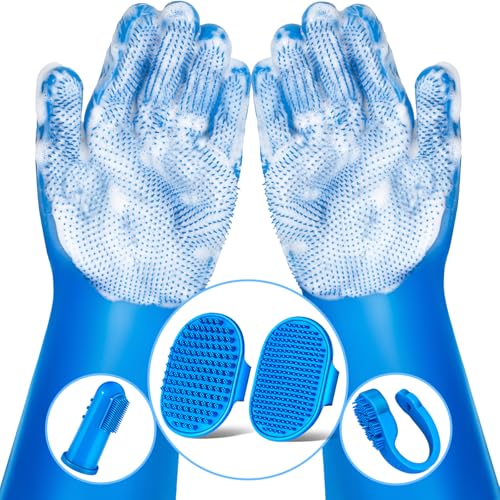
- Brushing: Brush your Schnauzer 2-3 times weekly with a pin brush or slicker brush to remove loose hair and prevent matting. During shedding season, brush daily.
- Professional Grooming: Schnauzers need professional hand-stripping or clipping every 4-6 weeks to maintain their distinctive look. Hand-stripping preserves coat texture and color.
- Bathing: Bathe your Schnauzer every 4-6 weeks using a dog-specific shampoo. Over-bathing can strip natural oils and cause dry skin.
- Facial Hair: The beard and eyebrows require daily cleaning after meals. Wipe with a damp cloth to prevent staining and irritation.
- Ear Cleaning: Check and clean ears weekly to prevent infections. Schnauzers' floppy ears can trap moisture and debris.
- Nail Trimming: Trim nails every 2-3 weeks. Long nails cause pain and affect gait. Learn about proper nail trimming.
- Dental Care: Brush teeth 2-3 times weekly with dog-specific toothpaste. Schnauzers are prone to dental disease. Best toothbrushes for dogs.
Grooming Tip: Start grooming your Schnauzer from puppyhood to get them used to handling. Use treats and praise to make grooming a positive experience. This prevents grooming-related anxiety and makes professional visits easier.
Training Your Schnauzer
Schnauzers are highly trainable dogs with their high intelligence and willingness to please. However, their independent nature means they can be stubborn, so training requires patience, consistency, and positive reinforcement techniques.
Training Principles for Schnauzers
- Start Early: Begin training and socialization as early as 8 weeks. Puppy kindergarten is highly recommended. Learn about critical puppy socialization.
- Use Positive Reinforcement: Reward desired behaviors with high-value treats, praise, and play. Avoid punishment-based methods, which can cause fear and aggression.
- Be Consistent: Use the same commands and hand signals across all family members. Consistency is key to successful training.
- Keep Sessions Short: 5-10 minute sessions, 2-3 times daily, are more effective than long sessions. End on a positive note.
- Vary Locations: Practice commands in different environments to generalize behavior. A sit at home should be a sit at the park.
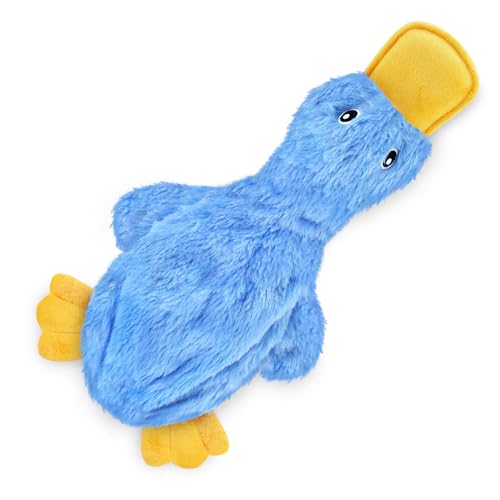
- Channel Energy: Schnauzers need mental and physical exercise. Incorporate play and puzzle toys into training. Try interactive dog toys for mental stimulation.
Recommended Training Equipment: A comfortable collar or harness and a 4-6 foot leash for walks. For training, use small, high-value treats, a clicker for positive marking, and interactive puzzle toys to keep their minds sharp.
Exercise Requirements
Despite their size variations, all Schnauzers are energetic dogs that require regular exercise to stay healthy and happy. An under-exercised Schnauzer can develop behavior problems like excessive barking, chewing, and digging.
- Miniature Schnauzer: Needs 30-60 minutes of daily exercise. This can include a brisk walk, play session, or a trip to a secure dog park. They enjoy chasing balls and interactive toys.
- Standard Schnauzer: Requires 60-90 minutes daily. Needs more vigorous exercise like running, hiking, or advanced obedience work.
- Giant Schnauzer: Needs 60-90 minutes of intense exercise daily. They thrive with a job or purpose, such as agility, protection work, or extensive daily walks.
- Mental Exercise: All Schnauzers need mental stimulation daily. Use puzzle feeders, snuffle mats, and obedience training to tire their active minds. Puzzle toys are excellent for this purpose.
Exercise Safety: Schnauzers can be heat-sensitive due to their double coat. Exercise during cooler parts of the day and provide plenty of water. Avoid rigorous exercise after meals to prevent bloat, especially in the larger varieties.
Health Conditions & Prevention
Schnauzers are generally healthy, but like all purebred dogs, they are prone to certain genetic conditions. Being aware of these helps you take proactive care and catch problems early.
Common Health Conditions
- Pancreatitis: Inflammation of the pancreas, often triggered by high-fat foods. Feed a low-fat diet and avoid table scraps. Learn about best dog food choices.
- Bladder Stones: Miniature Schnauzers are prone to calcium oxalate stones. Feed a diet that supports urinary health and ensure constant access to fresh water.
- Eye Problems: Cataracts and progressive retinal atrophy (PRA) can occur. Regular veterinary eye exams are recommended.
- Skin Allergies: Schnauzers can develop skin allergies. Signs include scratching, licking, and red skin. Common skin problems in dogs.
- Hypothyroidism: Underactive thyroid is common in Standard Schnauzers. Symptoms include weight gain, lethargy, and skin problems.
- Bloat (Gastric Dilatation-Volvulus): A life-threatening condition common in deep-chested dogs like Giant Schnauzers. Feed multiple small meals and avoid exercise after eating.
Preventive Health Care: Annual vet exams are essential for early detection. Keep up with vaccinations and parasite prevention. For senior Schnauzers (7+ years), consider semi-annual checkups with blood work.
Nutrition & Feeding
Proper nutrition is crucial for your Schnauzer's health and longevity. Their diet should be tailored to their size, age, and activity level. Miniature Schnauzers need about ½ to 1 cup of high-quality dry food daily, split into two meals.
Feeding Recommendations
- Choose High-Quality Food: Look for dog food with named meat (chicken, beef, lamb) as the first ingredient. Avoid foods with by-products, corn, and artificial preservatives.
- Life Stage Nutrition: Feed a puppy formula for dogs under 1 year. Adult formula for 1-7 years, and supplemented or senior formula for dogs 7+ years.
- Low-Fat Diet: Miniature Schnauzers are prone to pancreatitis. Feed a food with moderate fat content (around 10-15% protein, 5-8% fat).
- Avoid Table Scraps: Human foods like chocolate, grapes, and onions are toxic. Dangerous toxic foods for dogs.
- Fresh Water: Always provide fresh, clean water. Schnauzers need about 1 ounce of water per pound of body weight daily.
- Supplements: Omega-3 fatty acids support skin and coat health. Glucosamine supplements support joint health, especially important for larger Schnauzers.
Feeding Tip: To prevent bloat, especially in Standard and Giant Schnauzers, feed two smaller meals instead of one large meal. Avoid vigorous exercise 1-2 hours after eating. Elevated feeders are not recommended as they may increase bloat risk.
Finding a Reputable Breeder
Finding a responsible Schnauzer breeder is crucial for getting a healthy, well-tempered puppy. A good breeder prioritizes health, temperament, and breed standards over profit.
- Health Testing: Ask for health clearances from the Orthopedic Foundation for Animals (OFA) or similar organizations. This includes hip and eye tests.
- Ask Questions: Ask to see the puppy's parents and the breeding environment. Good breeders are transparent and welcome questions. Questions to ask a breeder.
- Review Contracts: A reputable breeder provides a contract with a health guarantee. They also take responsibility for the dog's lifetime and will take it back if you can no longer keep it. Breeder contract guide.
- Red Flags: Avoid breeders who have multiple litters available at once, sell through pet stores or third-party websites, or are unwilling to provide references. Red flags of bad breeders.
- Puppy Buying: Visit the puppy at least once before bringing it home. Observe its interaction with littermates and its general health and activity level. Puppy visit checklist.
Adoption Option: Consider adopting a Schnauzer from a breed-specific rescue. Many wonderful Schnauzers are looking for homes. It's a rewarding way to give a dog a second chance. Find dogs for adoption near you.
Frequently Asked Questions
Ready to Welcome a Schnauzer Into Your Life?
Whether you choose a playful Miniature, a versatile Standard, or a powerful Giant, the Schnauzer is a loyal, intelligent, and spirited companion. By understanding their grooming, training, and health needs, you can provide a loving home and enjoy a long, fulfilling relationship with your dog.
If you are looking for quality products, from grooming tools to nutritious food and engaging toys, check out our recommendations below. Every item has been carefully selected to help you give your Schnauzer the best life possible.