Schnoodle Dog Breeders
Your complete guide to finding a responsible Schnoodle breeder, understanding health testing standards, and bringing home a healthy, well-socialized puppy.
Bringing home a Schnoodle is an exciting decision. This Poodle and Schnauzer cross combines intelligence, affection, and a low-shedding coat that appeals to many families. But before you fall in love with a puppy, the most important step is finding a breeder who prioritizes health, temperament, and ethical practices. A responsible breeder is the difference between a healthy companion and years of preventable heartache.
This guide walks you through exactly what to look for in a Schnoodle breeder, what health tests matter, and how to evaluate whether a breeder is genuinely committed to the dogs they produce. Whether you are a first-time dog owner or adding to your family, the information here will help you ask the right questions and make an informed decision.
Understanding the Schnoodle
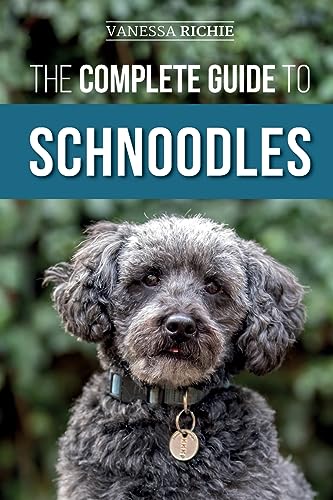
The Schnoodle is a designer cross between a Poodle and a Schnauzer, first developed in the 1980s [citation:3][citation:12]. Because both parent breeds come in multiple sizes, Schnoodles can range from small companion dogs to large, athletic animals. Miniature Schnoodles typically weigh around fifteen pounds, while Giant Schnoodles can exceed fifty pounds [citation:3].
Temperament varies depending on which traits a puppy inherits, but Schnoodles are generally described as intelligent, energetic, and deeply people-oriented. They bond closely with their owners and often inherit the Poodle's eagerness to please alongside the Schnauzer's alert, sometimes cautious nature [citation:3][citation:6]. This combination makes them excellent family dogs, but it also means they need consistent training and early socialization.
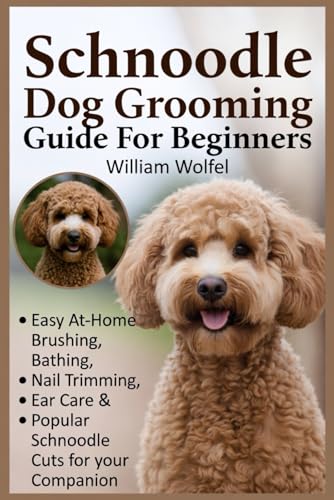
One of the most appealing aspects of the Schnoodle is their coat. Many Schnoodles inherit the Poodle's low-shedding, curly coat, making them a popular choice for people with mild allergies. However, no dog is truly hypoallergenic, and Schnoodles still require significant grooming—typically professional grooming every four to six weeks plus regular brushing at home [citation:6][citation:9].
Key Schnoodle Facts:
• Size range: Miniature, Standard, and Giant varieties
• Lifespan: Typically 10 to 16 years [citation:3]
• Energy level: Moderate to high; larger Schnoodles need more exercise
• Coat: Curly, wavy, or wiry; low-shedding but high-maintenance
• Temperament: Smart, affectionate, sometimes vocal and protective
Health Testing Standards for Schnoodle Breeders
Because Schnoodles are a crossbreed, they can inherit health conditions from either parent. A responsible breeder understands this and screens breeding dogs before producing litters. Health testing is not optional—it is the foundation of ethical breeding.
Core Tests Every Schnoodle Breeder Should Conduct
| Health Test | What It Screens For | Why It Matters |
|---|---|---|
| Progressive Retinal Atrophy (PRA) | Genetic eye disease causing progressive vision loss | Poodles carry this gene; breeding dogs should be clear or carriers only [citation:2][citation:5] |
| Patellar Luxation | Loose kneecaps that can cause lameness and arthritis | Physical examination confirms breeding dogs have stable joints [citation:2][citation:5] |
| Von Willebrand's Disease (vWD) | Genetic bleeding disorder | Schnauzers can carry this; DNA testing identifies carriers [citation:5][citation:8] |
| Hip and Elbow Evaluation | Joint dysplasia | Especially important for larger Schnoodles; x-rays assess joint quality [citation:5][citation:9] |
Beyond these core tests, some breeders also screen for Degenerative Myelopathy, Hereditary Cataracts, and other conditions relevant to the parent breeds. The key point is not that every breeder must run every possible test, but that they can provide documented results for the tests most relevant to their breeding lines.
Always Ask for Documentation: A reputable breeder will happily share original veterinary records and DNA test results. If a breeder dismisses health testing as unnecessary or claims their dogs are "naturally healthy," that is a serious warning sign. Health testing protects both the puppy and the breed's future.
How to Identify a Reputable Schnoodle Breeder
Finding a good breeder takes time and effort. The cheapest or most readily available puppy is rarely the best choice. A reputable Schnoodle breeder will demonstrate commitment to their dogs through every interaction.
What a Responsible Breeder Does
- Raises puppies in a home environment. Puppies should be born and raised indoors, exposed to household sounds, children, and everyday activities. This early socialization shapes their adult temperament [citation:5][citation:8].
- Conducts health testing on both parents. They can show you PRA and Patellar Luxation results at minimum, plus additional tests relevant to their lines.
- Provides a written health guarantee. This should outline what conditions are covered, for how long, and what remedies are offered if problems arise [citation:5].
- Asks you questions. A good breeder wants to know about your lifestyle, home, family, and experience with dogs. They are not just selling a product—they are placing a life.
- Welcomes visits or video calls. You should be able to see the mother (and ideally the father) and observe the puppy's living conditions [citation:18].
- Provides vaccination and deworming records. Puppies should receive age-appropriate vaccinations and deworming before going home.
- Offers lifetime support. Many reputable breeders provide guidance throughout the dog's life and will take back a puppy if you can no longer care for it [citation:5].
You can begin your search through breed-specific directories, breed clubs, or referrals from veterinarians. Online directories like RightPaw list breeders who have agreed to codes of ethics and health testing standards [citation:2][citation:5]. However, directory listing alone is not enough—always verify health testing and visit the breeder yourself or through a video call.
For a broader perspective on evaluating breeders, our guide on how to find a reputable dog breeder covers universal standards that apply to any breed. If you are comparing Schnoodles with other Poodle mixes, our Miniature Schnauzer guide and Schnauzer breed overview provide useful context on the parent breeds.
Questions to Ask a Schnoodle Breeder
Before committing to a puppy, ask these questions directly. A good breeder will welcome your diligence and answer thoroughly. Evasiveness or pressure to decide quickly are warning signs.
- What health tests have the parents had? Ask to see original results for PRA, Patellar Luxation, and any additional tests. Understand what "clear," "carrier," and "affected" mean in the context of each test.
- How are the puppies socialized? Look for specifics: exposure to different people, sounds, surfaces, and gentle handling. Puppies raised in isolation are more likely to develop fear and behavior problems.
- What vaccinations and deworming has the puppy received? Puppies should not go to new homes before at least eight weeks of age and should have age-appropriate veterinary care [citation:8].
- What does your health guarantee cover? Understand the duration, what conditions are included, and what happens if a problem is discovered. Get everything in writing [citation:18].
- Can I meet the mother? Meeting the mother gives you insight into temperament and living conditions. If the breeder refuses, that is a red flag.
- What food are the puppies eating? A good breeder will send you home with food and a feeding schedule to minimize transition stress.
- Will you take the dog back if I can no longer care for it? Responsible breeders stand behind their dogs for life. This is a hallmark of ethical breeding.
- What is your contract? A written contract should cover health guarantees, spay/neuter agreements (if applicable), and return policies. Read it carefully before signing.
For a more comprehensive checklist, see our guide on questions to ask a dog breeder. Our puppy visit checklist can also help you evaluate the breeder's environment when you visit.
Puppy Care Essentials for New Schnoodle Owners
Once you have chosen a breeder and brought your puppy home, the first few weeks set the foundation for a lifetime of good health and behavior.
Feeding
Feed a high-quality diet that meets AAFCO standards for your puppy's life stage. Schnoodle puppies should eat three to four small meals daily on a consistent schedule [citation:9]. Avoid free-feeding, which makes it difficult to monitor intake and can contribute to obesity. If your puppy eats too quickly, use a slow feeder or snuffle mat to prevent bloat, especially in larger Schnoodles [citation:9].
Grooming from Day One
Start grooming routines immediately. Brush your puppy gently several times per week and handle their paws, ears, and mouth regularly. This builds tolerance for the professional grooming that Schnoodles require throughout their lives. Begin nail trimming early—even if you only touch the clippers to the nail at first. For coat care tools, our dog brushes guide can help you choose the right brush for your Schnoodle's coat type.
Training and Socialization
Schnoodles are intelligent and eager to learn, but they can also inherit a stubborn streak from the Schnauzer side [citation:6]. Start basic training immediately using positive reinforcement. Short, frequent sessions work best for puppies. Socialization should begin as soon as your puppy is home—expose them to new people, sounds, surfaces, and gentle experiences in a controlled, positive way.
Our guide on teaching puppy basic commands covers the foundational cues every puppy should learn. For behavior foundations, see positive reinforcement training.
Veterinary Care
Schedule a veterinary visit within the first few days of bringing your puppy home, even if they seem healthy [citation:18]. Your vet will confirm the puppy's health, review vaccination records, and discuss a vaccination and deworming schedule. Puppies need a series of vaccinations starting around six to eight weeks of age, with boosters every three to four weeks until sixteen to twenty weeks. See our puppy vaccination schedule for a complete timeline.
Preventing Separation Anxiety: Schnoodles bond closely with their people and can be prone to separation anxiety if left alone for long periods without preparation [citation:6]. Practice short absences from the beginning, provide engaging toys, and gradually build up the time your puppy spends alone. Crate training, done properly, gives your dog a safe space and reduces anxiety.
Red Flags to Avoid When Choosing a Breeder
Some warning signs are universal across all breeds. If you encounter any of the following, walk away.
- No health testing or refusal to share results. A breeder who cannot produce documentation for the parents' health tests is not breeding responsibly.
- Puppies available before eight weeks of age. Puppies need time with their mother and littermates for proper development. Early separation is a red flag for puppy mill or backyard breeder practices [citation:8].
- Multiple litters available at all times. Responsible breeders plan litters carefully and do not mass-produce puppies. If a breeder always has Schnoodle puppies ready, be suspicious.
- No questions asked about you. A breeder who does not screen buyers is not invested in where their puppies end up.
- Pressure to buy immediately. Good breeders have waitlists and carefully match puppies to families. Urgency is a sales tactic, not a sign of quality.
- Meeting the puppy away from the breeding facility. You should be able to see where the puppy was raised and meet the mother. Refusal to allow this suggests something is being hidden [citation:18].
- No written contract or health guarantee. Verbal promises are meaningless. Everything should be documented.
- Dirty or overcrowded conditions. If the environment where the dogs live is unclean, overcrowded, or the dogs appear fearful or unhealthy, leave immediately.
Our guide on red flags of a bad dog breeder expands on these warning signs. Understanding the difference between puppy mills and reputable breeders is essential before you start your search.
Frequently Asked Questions
Final Thoughts
Choosing the right Schnoodle breeder is one of the most important decisions you will make for your future dog. Take your time, ask hard questions, verify health testing, and trust your instincts. A breeder who prioritizes health and temperament over volume and speed is worth waiting for. Your patience will be rewarded with a healthy, well-adjusted companion who brings years of joy to your family.
For more guidance on responsible dog ownership, explore our complete dog care guide and our dog breeders resource section.