Stress-Induced Colitis in Dogs: A Complete Guide
Understand the triggers, recognize the signs, and learn how to manage and prevent stress-related colitis for a happier, healthier dog.
Stress-induced colitis is one of the most common causes of acute diarrhea in dogs. It occurs when stress disrupts the delicate balance of your dog's gastrointestinal tract, leading to inflammation in the colon (large intestine). This condition can be distressing for both you and your dog, but the good news is that with the right knowledge and management, most episodes are easily resolved.
This guide will walk you through everything you need to know about stress-induced colitis in dogs — from identifying the symptoms and common triggers to treatment options and long-term prevention strategies. By the end, you'll feel confident in recognizing the signs and knowing exactly what steps to take to help your dog recover and thrive.
Recognizing the Signs of Stress Colitis
The symptoms of stress-induced colitis can appear suddenly, often within hours of a stressful event. While the condition is generally not life-threatening, it's crucial to distinguish it from more serious health issues. Here are the most common signs to watch for:
Gastrointestinal Signs
- Sudden onset of watery diarrhea
- Stool that contains mucus or fresh blood (hematochezia)
- Increased urgency to defecate and straining
- Passing small amounts of stool frequently
- Accidents in the house
Behavioral Signs
- Excessive panting or pacing
- Whining or restlessness
- Loss of appetite or decreased interest in food
- Lethargy or appearing uncomfortable
- Hiding or seeking more attention than usual
When to See a Vet: While mild cases can often be managed at home, contact your veterinarian if your dog has: persistent diarrhea lasting more than 48 hours, severe vomiting, signs of dehydration (sunken eyes, dry gums), or a high fever. A vet can rule out more serious conditions like parvovirus or inflammatory bowel disease.
What Causes Stress-Induced Colitis?
Dogs are sensitive creatures, and their digestive systems often react to their emotional state. The "gut-brain axis" is a well-established connection, and when a dog experiences stress, it can trigger an inflammatory response in the colon. The most common stressors include:
Common Stress Triggers for Dogs
- Environmental changes: Moving to a new home, boarding, or traveling.
- Routine disruptions: Changes in feeding or walking schedules.
- Social stress: Introduction of a new pet, family member, or the loss of a companion.
- Fearful events: Fireworks, thunderstorms, or visits to the vet.
- Dietary indiscretion: Eating something they shouldn't, often when stressed.
- Underlying anxiety: Dogs with generalized anxiety or separation anxiety are more prone.
Understanding your dog's specific triggers is the first step in prevention. If you know your dog gets stressed during thunderstorms, you can prepare in advance. Similarly, if travel is stressful, you can take steps to make the experience more comfortable.
Effective Treatment and Management
Most cases of stress-induced colitis can be successfully managed at home with a combination of dietary changes and supportive care. The goal is to give the gastrointestinal tract a rest and restore balance. Here’s a step-by-step approach:
- Withhold Food Temporarily: For adult dogs, fasting for 12-24 hours allows the colon to settle. Ensure fresh water is always available. This is not recommended for puppies or senior dogs without vet approval.
- Introduce a Bland Diet: After fasting, offer small, frequent meals of a bland, easily digestible diet. The classic combination is boiled chicken (no skin) and white rice. A commercially available gastrointestinal support food is also an excellent option.
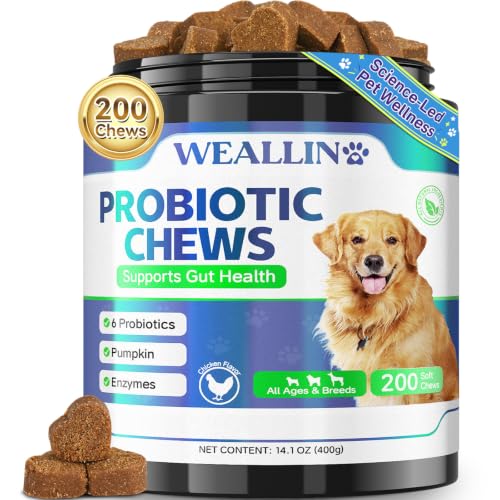
- Support Gut Health: Adding a high-quality probiotic supplement for dogs can help restore the natural balance of gut flora, which is often disrupted during stress colitis.
- Manage the Stress: Address the root cause of the stress. Create a calm environment, use calming pheromone diffusers (dog pheromone diffusers), or consider an anxiety wrap for your dog.
- Hydration is Crucial: Diarrhea causes fluid loss. Encourage your dog to drink water. In severe cases, your vet may recommend an electrolyte solution.
Pro Tip for Pet Insurance: Unexpected vet visits for conditions like colitis can be expensive. Having a pet insurance policy can provide peace of mind and financial relief when managing your dog's health issues.
Preventing Future Flare-Ups
Prevention is always better than cure. Once your dog has experienced stress-induced colitis, they are more susceptible to future episodes. Implementing a holistic prevention plan is key to their long-term health and well-being.
- Maintain a Consistent Routine: Dogs thrive on predictability. Keep feeding times, walks, and bedtime as consistent as possible.
- Proactive Stress Management: Identify and minimize known stressors. If you can't avoid them (like fireworks), create a safe, quiet space for your dog and use calming aids.
- Dietary Consistency: Stick to a high-quality, digestible diet. Any diet changes should be made gradually over 7-10 days. Consider a limited ingredient dog food if your dog has a sensitive stomach.
- Regular Exercise: Physical activity is a powerful stress reliever. Ensure your dog gets adequate daily exercise, including both physical and mental stimulation.
- Routine Veterinary Care: Regular check-ups can help catch and manage underlying conditions that may make your dog more susceptible to stress colitis.
Frequently Asked Questions
Here are answers to some of the most common questions about stress-induced colitis in dogs:
Your Action Plan for a Healthy Gut
Dealing with stress-induced colitis can be challenging, but with the right care, your dog will bounce back quickly. To recap, here's what you can do today:
- Start a bland diet (boiled chicken & rice) after a brief fast.
- Administer a probiotic supplement for dogs to support gut flora.
- Identify and mitigate the stress trigger in your home environment.
- Ensure your dog has a comfortable, quiet place to rest.
By following these steps and consulting your vet when needed, you can help your dog feel better and prevent future episodes.
Ready to take the next step? Explore our recommended dog care products and supplies below to help manage and prevent stress colitis, all from trusted brands on Amazon.