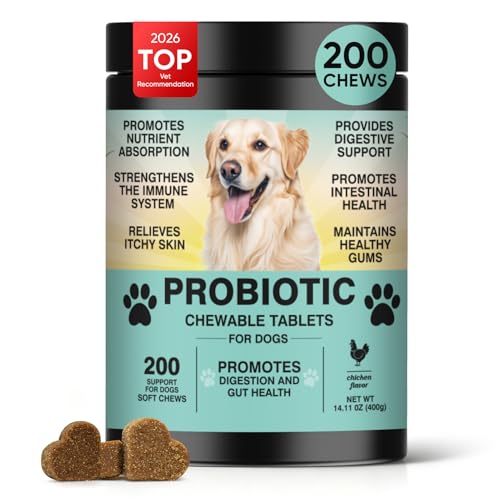
The Complete Guide to Probiotic Supplements for Dogs
Support your dog's digestion, immunity, and overall well-being with the right probiotic. Discover the science, benefits, and best products on the market.
Just like humans, dogs have a complex gut microbiome that plays a crucial role in their health. Probiotic supplements for dogs are one of the most effective ways to maintain this delicate balance, supporting everything from digestion to immune response. Whether your dog suffers from occasional stress-induced colitis, food sensitivities, or you simply want to boost their overall vitality, a high-quality probiotic can be a game-changer.
This guide covers everything you need to know: how probiotics work, which strains to look for, dosage guidelines, and our top product recommendations. We've done the research so you can make an informed decision for your furry friend.
Why Your Dog Needs Probiotics
The gut microbiome is a bustling community of bacteria, fungi, and viruses. When it's balanced, your dog's digestion is smooth, their immune system is strong, and their mood is stable. When it's out of balance (dysbiosis), problems arise: gas, bloating, diarrhea, allergies, and even anxiety.
Many factors can disrupt this balance: stress, antibiotic use, dietary changes, or even age. Supplementing with targeted probiotics for dogs helps restore and maintain that equilibrium, especially during challenging times.
Did you know? Over 70% of a dog's immune system resides in the gut. A healthy gut means a stronger immune response, which can protect against common illnesses and chronic inflammation.
How Probiotics Work
Probiotics are live microorganisms that, when administered in adequate amounts, confer a health benefit to the host. They work by:
- Competing with harmful bacteria for nutrients and attachment sites in the gut lining.
- Producing beneficial substances like short-chain fatty acids that nourish gut cells.
- Modulating the immune system to reduce inflammation and allergic responses.
- Strengthening the gut barrier to prevent "leaky gut" and endotoxin absorption.
For dogs, the most effective products contain strains that are naturally adapted to the canine digestive tract. Human probiotics may not colonize well in dogs, which is why choosing a dog-specific formula matters.
Key Probiotic Strains for Dogs
Not all probiotics are created equal. Here are the clinically studied strains that offer the most benefits for dogs:
Lactobacillus acidophilus
Supports digestion and nutrient absorption. Helps manage diarrhea and food allergies.
Bifidobacterium animalis
Promotes regular bowel movements and reduces gas. Boosts overall gut health.
Enterococcus faecium
Effective in restoring gut flora after antibiotic treatment. Supports immune function.
Lactobacillus rhamnosus
Helps with stress-related digestive issues and reduces anxiety-induced upset.
Top 5 Health Benefits of Probiotics for Dogs
- Relieves Occasional Diarrhea and Constipation: Probiotics help normalize stool consistency and frequency, especially during stress-induced colitis or dietary changes.
- Supports a Healthy Immune System: A balanced gut microbiome enhances immune response, helping your dog fight off infections and reducing the frequency of kennel cough and other common ailments.
- Manages Food Allergies and Skin Issues: By reducing inflammation, probiotics can help manage food allergies and associated skin problems like itching and hot spots.
- Reduces Stress-Related Digestive Problems: Changes in routine, travel, or boarding can cause digestive upset. Probiotics help maintain stability during these times.
- Improves Nutrient Absorption: A healthy gut ensures your dog gets the most out of their food, which is especially important for senior dogs or those with malabsorption issues.
Dosage & Administration
Getting the dosage right is essential. Most veterinary probiotics recommend a daily dose based on your dog's weight. A common guideline is:
- Small dogs (under 25 lbs): 1-2 billion CFUs daily
- Medium dogs (25-50 lbs): 2-5 billion CFUs daily
- Large dogs (50+ lbs): 5-10 billion CFUs daily
Always start with a lower dose and gradually increase to allow your dog's system to adjust. Mix the powder with their food or give as a treat. Consistency is key for best results. If your dog has underlying health issues, consult your veterinarian before starting any new supplement.
How to Choose the Right Probiotic Supplement
With so many options, it can be overwhelming. Use these criteria to filter the best from the rest:
- Strain Variety: Look for products with 3-5 different strains, including the ones mentioned above. More isn't always better, but a balanced mix is beneficial.
- CFU Count at Expiry: Check that the product guarantees the CFU (colony-forming units) count at the time of expiration, not at the time of manufacture. This ensures potency.
- Dog-Specific Formulation: Ensure the probiotics are designed for dogs. They often contain prebiotics like FOS (fructooligosaccharides) to feed the good bacteria.
- Quality and Reputation: Choose brands with third-party testing or at least a strong reputation in the veterinary community.
- Ease of Administration: Powders, chews, or capsules – pick what your dog will take readily. Mixing powder into wet dog food is a common and effective method.
Our Top Pick: The best overall probiotic for dogs combines multiple strains with a high CFU count and excellent palatability. Many pet owners find that a daily probiotic helps maintain regularity and reduces gas, leading to a happier, healthier pup.
Frequently Asked Questions
Ready to Improve Your Dog's Gut Health?
A high-quality probiotic supplement is one of the most effective ways to support your dog's digestion, immunity, and overall vitality. The products featured below are our top recommendations, backed by science and trusted by thousands of dog owners.