The Ultimate Senior Dog Food Guide
As your loyal companion enters their golden years, their nutritional needs change. Learn how to choose the best food to keep your senior dog healthy, comfortable, and full of life.
Watching your dog age is a bittersweet experience. The energetic puppy who once raced around the yard may now prefer a slow sniff-and-stroll. The dog who devoured every meal in seconds might now be more finicky. These changes are normal, but they also signal that it's time to pay closer attention to what goes into their bowl.
Proper nutrition is the single most powerful tool you have to support your senior dog's health. The right diet can help manage weight, reduce joint pain, support organ function, and even slow cognitive decline. The wrong diet can accelerate aging and worsen existing health conditions. This guide will help you navigate the complex world of senior dog nutrition so you can make confident, informed decisions for your aging companion.
When Is a Dog Considered a Senior?
There is no single answer to this question because dogs age at dramatically different rates depending on their size and breed. In general, the larger the dog, the faster they age. A Great Dane at age 6 is physiologically older than a Chihuahua at age 10.
- Small breeds (under 20 lbs): Considered senior around 8–10 years of age. These dogs often live 14–16 years and may not show significant signs of aging until later in life.
- Medium breeds (20–50 lbs): Senior status typically begins around 7–8 years. These dogs generally live 10–14 years.
- Large breeds (50–90 lbs): Often considered senior at 6–7 years of age, with a lifespan of 8–12 years.
- Giant breeds (over 90 lbs): May be seniors as early as 5–6 years. Their average lifespan is 6–9 years, and age-related changes can appear rapidly.
Beyond chronological age, look for physical and behavioral signs that your dog is entering their senior years. These include a graying muzzle, reduced activity, slower recovery after exercise, weight changes, changes in sleep patterns, and occasional confusion or disorientation. If you notice these signs, it may be time to discuss a senior diet with your veterinarian. For more detailed information on senior diets, refer to our senior dog diet guide.
How Nutrition Needs Change with Age
As dogs age, their bodies undergo significant metabolic, physiological, and structural changes. Understanding these changes is key to selecting the right food. Here are the most important nutritional shifts that occur in senior dogs:
Metabolism and Energy Needs
Senior dogs typically experience a decrease in lean muscle mass and a slower metabolism. This means they burn fewer calories at rest. However, some dogs may actually have increased energy needs if they have underlying conditions like malabsorption or cancer. For most healthy seniors, feeding fewer calories while maintaining high-quality protein is the goal.
Protein Requirements
Contrary to outdated advice, senior dogs often need more high-quality protein than younger adults, not less. As muscle mass naturally declines with age, adequate protein helps maintain muscle strength and supports immune function. Look for foods with named animal proteins (like chicken, beef, or fish) as the first ingredient. The old belief that protein damages senior kidneys has been largely debunked for healthy dogs, though dogs with existing kidney disease may need restricted protein under veterinary supervision.
Fat and Calories
While senior dogs need fewer calories to prevent obesity, they still need healthy fats for energy, skin and coat health, and to absorb fat-soluble vitamins. Omega-3 fatty acids are particularly beneficial for reducing inflammation and supporting joint health. Look for foods containing fish oil or flaxseed.
Fiber and Digestive Health
Digestive efficiency decreases with age, making it harder for senior dogs to absorb nutrients. Adequate fiber promotes healthy digestion and regular bowel movements. It can also help manage weight by providing a feeling of fullness. However, too much fiber can interfere with nutrient absorption, so balance is key.
Joint Support
Arthritis and joint pain are among the most common health problems in senior dogs. Foods containing glucosamine, chondroitin, and green-lipped mussel can help support joint health. These ingredients can reduce inflammation and slow cartilage breakdown. For more targeted support, consider our dog vitamins recommendations.
Cognitive Support
Senior dogs can experience cognitive dysfunction, similar to dementia in humans. Nutrients like antioxidants (vitamin E, vitamin C, selenium), omega-3 fatty acids, and medium-chain triglycerides (MCTs) have been shown to support brain health. Some senior formulas include these ingredients specifically for cognitive support.
Hydration
Senior dogs are more prone to dehydration due to decreased thirst sensation and potential kidney issues. Wet food can help increase water intake. Always ensure fresh, clean water is readily available.
Choosing the Right Senior Dog Food
With so many options on the market, selecting the right food for your senior dog can feel overwhelming. Follow this step-by-step framework to make an informed choice:
- Consult your veterinarian first. Your vet knows your dog's health history and can recommend specific dietary changes based on any existing conditions. This is especially important if your dog has been diagnosed with kidney disease, heart disease, diabetes, or other chronic conditions.
- Check for AAFCO compliance. The Association of American Feed Control Officials (AAFCO) sets nutritional standards for pet food. Look for a statement on the label that the food is "complete and balanced" for senior dogs, as verified by AAFCO feeding trials or formulation.
- Examine the ingredient list. Look for high-quality animal protein as the first ingredient. Avoid foods where the first ingredients are corn, wheat, or soy. These are cheap fillers with low nutritional value. Also avoid artificial colors, flavors, and preservatives.
- Consider your dog's specific health needs. If your dog has joint issues, look for added glucosamine and omega-3s. If they have kidney problems, your vet may recommend a prescription diet with restricted protein and phosphorus. If they have a sensitive stomach, look for easily digestible ingredients and probiotics. For more specific recommendations, see our guides on senior dog food for sensitive stomachs and senior dog food for kidney problems.
- Choose the right texture. If your senior dog has dental issues or missing teeth, soft or wet food may be easier to eat. Some owners mix warm water with dry kibble to soften it. For dogs with severe dental problems, see our guide on soft dog food for senior dogs with bad teeth.
- Introduce new food gradually. Sudden changes in diet can cause digestive upset. Transition over 7–10 days by mixing increasing amounts of the new food with the old food.
Red Flags to Avoid in Senior Dog Food:
• Meat by-products or "meat meal" as primary ingredients
• Excessive fillers like corn, wheat, soy, or cellulose
• Artificial preservatives (BHA, BHT, ethoxyquin)
• Added sugars or artificial sweeteners (especially xylitol, which is toxic)
• Excessively high sodium levels
• Foods with vague ingredient names like "animal digest" or "poultry meal"
Types of Food for Senior Dogs
Different types of food offer unique benefits and drawbacks for senior dogs. Here's a comparison to help you decide what's best for your dog:
| Type of Food | Pros | Cons | Best For | Quality Tier |
|---|---|---|---|---|
| Dry Kibble | Convenient, economical, helps with dental health, easy to store, long shelf life | Can be hard to chew for dogs with dental issues, lower moisture content | Healthy seniors with good teeth and no special dietary needs | Budget-friendly to mid-tier |
| Wet/Canned Food | High moisture (helps hydration), easy to chew, highly palatable, good for picky eaters | More expensive per calorie, requires refrigeration after opening, can contribute to dental plaque if fed exclusively | Seniors with dental issues, dehydration risk, or poor appetite | Mid-tier to premium |
| Soft Dry Food | Easier to chew than traditional kibble, more convenient than wet food, good compromise | Less dental benefit than hard kibble, may still be too hard for some dogs | Seniors with mild dental issues who still enjoy dry food | Mid-tier |
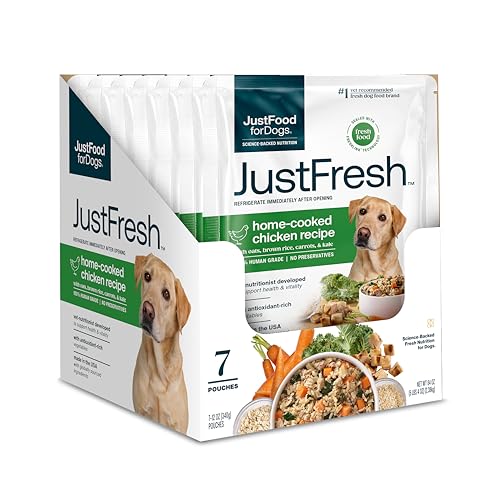
| Fresh/Home-Cooked | Human-grade ingredients, no preservatives, highly palatable, customizable for health needs | Most expensive option, requires veterinary nutritionist guidance to ensure balance, time-consuming to prepare | Seniors with multiple health issues or severe food sensitivities | Premium to luxury |
| Prescription Diets | Formulated for specific medical conditions, clinically tested, often highly effective | Requires veterinary prescription, expensive, may not be palatable | Seniors with diagnosed health conditions like kidney disease, heart disease, or diabetes | Premium |
Many owners find that a combination works best. For example, mixing a small amount of wet food with dry kibble can increase palatability and moisture content while maintaining the dental benefits of kibble. If you are considering a homemade diet, always work with a veterinary nutritionist to ensure it meets all of your dog's nutritional needs.
Managing Common Senior Health Issues Through Diet
Diet plays a crucial role in managing many of the health conditions that commonly affect senior dogs. Here's how to adjust your senior dog's nutrition to address specific issues:
Joint Disease and Arthritis
Arthritis affects a large percentage of senior dogs, causing pain, stiffness, and reduced mobility. Foods rich in omega-3 fatty acids (especially EPA and DHA) have anti-inflammatory effects that can reduce joint pain. Look for foods with added glucosamine and chondroitin, or consider separate joint supplements. Weight management is also critical—excess weight puts additional stress on joints. Keeping your senior dog at a lean body weight can significantly improve their quality of life. For more help, see our guide on dog vitamins.
Kidney Disease
Chronic kidney disease is one of the most common conditions in senior dogs. The kidneys become less efficient at filtering waste products from the blood. Dietary management is a cornerstone of treatment and can significantly prolong life. Prescription kidney diets typically restrict protein, phosphorus, and sodium while increasing omega-3 fatty acids. These diets must be prescribed by a veterinarian. For more information, see our guide on wet dog food for senior dogs with kidney problems.
Heart Disease
Senior dogs with heart disease, such as congestive heart failure, benefit from diets restricted in sodium. Excess sodium causes fluid retention, which can worsen heart failure symptoms. Prescription heart diets are available. Additionally, omega-3 fatty acids and certain antioxidants like taurine and L-carnitine may support heart health. Always consult your vet before making dietary changes for a dog with heart disease. See our guide on canned dog food for senior dogs with heart conditions.
Diabetes
Diabetes in dogs requires careful dietary management. High-fiber diets can help regulate blood sugar levels. Prescription diabetic diets are available and are often recommended. Consistent meal times and portions are essential for managing diabetes. Avoid foods with high sugar content and simple carbohydrates.
Dental Disease
Dental disease is extremely common in senior dogs and can lead to pain, tooth loss, and systemic infection. If your senior dog has dental issues, softer foods (wet or softened dry) are easier to chew. However, dry kibble can help scrape plaque from teeth. For dogs with significant dental problems, consult your vet about professional dental cleaning. For food options, see our guide on best dog food for older small dogs with few teeth.
Digestive Issues
Senior dogs are more prone to digestive problems like constipation, diarrhea, and sensitive stomach. Foods with highly digestible ingredients, prebiotics, and probiotics can help. For dogs with sensitive stomachs, look for limited-ingredient diets or foods with novel proteins like salmon or venison. See our guide on dog food for allergies and sensitive stomachs.
Pro Tip: When transitioning your senior dog to a new food, do it gradually over 7–10 days to prevent digestive upset. Start with 25% new food and 75% old food, then gradually increase the proportion of new food. This is especially important for dogs with sensitive stomachs.
Practical Feeding Tips for Older Dogs
Beyond choosing the right food, how you feed your senior dog matters. These practical tips can help ensure your aging dog gets the nutrition they need:
- Feed smaller, more frequent meals. Senior dogs often do better with two or three smaller meals per day rather than one large meal. This aids digestion and helps maintain stable blood sugar levels.
- Warm up wet food slightly. Warming food to body temperature enhances aroma and palatability, which can encourage finicky seniors to eat. Never microwave in the container—transfer to a microwave-safe bowl first.
- Add water or broth to dry food. Softening kibble with warm water or low-sodium broth makes it easier to chew and increases water intake, which is especially important for seniors prone to dehydration.
- Monitor body condition regularly. Weigh your senior dog monthly and assess their body condition score. You should be able to feel their ribs without pressing hard, and they should have a visible waist. Adjust portions as needed.
- Keep a feeding routine. Dogs thrive on routine, and senior dogs especially appreciate predictability. Feed at the same times each day in the same location.
- Elevate food and water bowls. If your senior dog has joint pain or neck stiffness, raised bowls can make eating more comfortable. Look for elevated feeders at dog bowls.
- Watch for changes in appetite. A sudden decrease or increase in appetite can indicate a health problem. If your senior dog stops eating or becomes ravenous, consult your vet.
- Provide fresh water at all times. Dehydration is a serious risk for senior dogs. Consider a water fountain to encourage drinking, or add water to meals.
- Consider using an automatic feeder. If you have trouble maintaining a consistent feeding schedule, an automatic feeder can help. See our automatic dog feeder recommendations.
- Be patient with picky eaters. If your senior dog becomes finicky, try different textures, flavors, or food toppers. Never starve a dog into eating—if they refuse food for more than 24 hours, see your vet. For more help, see our guide on dog won't eat dog food but will eat treats.
For more detailed guidance on senior dog nutrition, including specific product recommendations, see our senior dog diet guide and our dry food for senior dogs with sensitive stomachs.
Frequently Asked Questions
Final Thoughts on Feeding Your Senior Dog
Feeding a senior dog is about more than just pouring kibble into a bowl. It's about understanding their changing needs and adapting your approach to give them the best possible quality of life in their golden years. By choosing the right food, monitoring their health, and working closely with your veterinarian, you can help your senior dog stay comfortable, active, and happy for as long as possible. Remember, the best food for your senior dog is the one that meets their specific nutritional needs and that they enjoy eating. Don't be afraid to experiment with different textures, flavors, and brands until you find the perfect fit. And always remember: your love and attention are just as important as the food in their bowl.