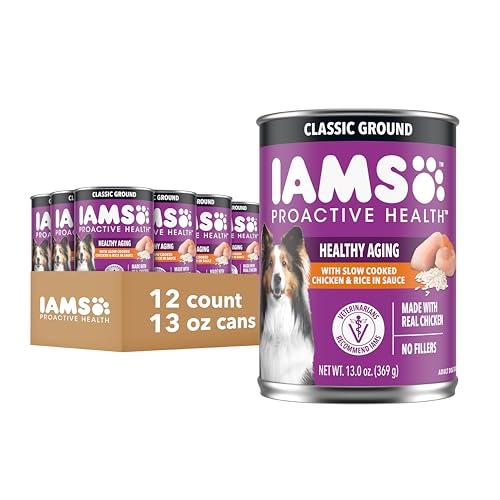
Soft Dog Food for Senior Dogs with Bad Teeth
Practical, vet-informed guidance on choosing soft food that keeps your aging dog nourished, comfortable, and pain-free at mealtime.
Senior dogs with bad teeth face a daily challenge that many owners underestimate: eating hurts. When chewing becomes painful, dogs often eat less, lose weight, and become lethargic. Over time, poor nutrition accelerates the aging process and worsens existing health conditions. Soft dog food is not just a convenience — for many senior dogs, it is a medical necessity.
This guide is written for owners who have already noticed the signs: dropped kibble, reluctance to chew, bad breath, or a dog who approaches the bowl with hesitation. Below we cover the full range of soft food options, how to evaluate them, and how to transition your dog safely so mealtime becomes something they look forward to again.
Why Senior Dogs Need Soft Food
Dental disease is the most common health problem in dogs over the age of three, and it becomes increasingly severe with age. By the time a dog reaches senior status, they may have loose teeth, receding gums, missing teeth, or painful abscesses. Chewing hard kibble on inflamed gums or exposed tooth roots causes genuine pain, and dogs respond the only way they can — by eating less or avoiding food altogether.
The consequences go beyond discomfort. A senior dog who eats less loses muscle mass, becomes weaker, and has less energy for the exercise that keeps their joints and heart healthy. They may also develop nutrient deficiencies that affect immunity and organ function. Soft food removes the mechanical barrier to eating, allowing your dog to consume the calories and nutrients they need without pain.
Signs Your Senior Dog May Need Soft Food:
• Dropping food from the mouth while eating
• Chewing on one side of the mouth or tilting the head while eating
• Reluctance to approach the food bowl or walking away mid-meal
• Bad breath, visible tartar, loose teeth, or bleeding gums
• Weight loss despite regular feeding
• Pawing at the mouth or excessive drooling
If you notice several of these signs, consult your veterinarian for a dental exam and discuss whether soft food is appropriate.
It is worth noting that soft food is not a substitute for veterinary dental care. If your dog has severe dental disease, extractions or professional cleaning may be necessary to eliminate pain and infection. Soft food supports recovery and daily comfort, but it does not treat the underlying condition. For dogs that need ongoing dental maintenance, see our guide on dog dental cleaning for what to expect during professional cleanings.
Types of Soft Food Options for Senior Dogs
The market for soft and easy-to-chew dog food has expanded significantly, which is good news for owners — but it also makes the decision more complicated. Below are the main categories, each with distinct advantages and trade-offs.
Wet/Canned Dog Food
The most straightforward option. Canned food is soft, highly palatable, and requires almost no chewing. It also provides significant hydration, which is valuable for senior dogs prone to kidney issues. Look for cans labeled "complete and balanced" rather than "complementary" or "topper."
Mid-range to premiumPâté and Loaf Formulas
Pâté-style foods are ground smooth and can be easily mashed with a fork. They are ideal for dogs with missing teeth or sensitive gums. Many senior-specific formulas are available in pâté form with added joint support and lower sodium.
Mid-range to premiumSoft Dry Kibble (Soft-Baked)
Some brands produce kibble that is softer and more pliable than traditional dry food. These are a good middle ground for dogs who can still chew but struggle with hard kibble. They are more convenient to store than canned food and often more economical.
Entry-level to mid-rangeSoftened Traditional Kibble
Soaking regular kibble in warm water for 10-15 minutes softens it enough for dogs with mild dental issues. This is the most budget-friendly approach, but it requires planning and the food must be consumed promptly to avoid bacterial growth. Not suitable for dogs with severe dental pain.
Budget-friendlyFresh/Refrigerated Soft Food
Fresh pet food delivery services offer soft, cooked meals with human-grade ingredients. These are highly palatable and often easier on sensitive stomachs, but they are typically the most expensive option and require refrigeration. Many offer senior-specific recipes.
Premium to luxuryDehydrated/Raw Soft Formulas
Dehydrated food rehydrated with warm water becomes soft and easy to eat. Raw frozen patties also qualify as soft food when thawed. These options appeal to owners interested in minimally processed diets, but they require careful handling and veterinary consultation.
Premium to luxuryIf you are leaning toward wet food specifically, our guide on wet dog food covers what to look for on labels and how wet food compares to dry in terms of nutrition and cost. For dogs with sensitive digestion alongside dental issues, sensitive stomach dog food may also be relevant.
How to Choose the Right Soft Food
Not all soft food is created equal. Some products are marketed as "soft" but are nutritionally incomplete, excessively high in sodium, or filled with by-products. Use the following criteria to evaluate any product before committing.
Nutritional Completeness
The single most important factor is whether the food meets AAFCO (Association of American Feed Control Officials) standards for complete and balanced nutrition for your dog's life stage. Senior dogs should be fed a diet labeled for "adult maintenance" or "senior," depending on the product. Avoid foods labeled "complementary," "topper," or "for intermittent feeding" as a sole diet — these are not nutritionally complete.
Protein Quality and Quantity
Senior dogs need high-quality protein to maintain muscle mass, which they lose more rapidly with age. Look for a named animal protein (chicken, beef, turkey, fish) as the first ingredient. Protein levels in senior diets should generally be around 25-30% on a dry matter basis unless your veterinarian has advised otherwise due to kidney disease.
Texture and Palatability
The food should be soft enough that your dog can eat it comfortably without effort. Pâté and loaf textures are easiest. If your dog has missing teeth or sore gums, you may need to mash the food with a fork or add a little warm water to reach the right consistency. Palatability matters too — a food your dog refuses is useless regardless of its nutritional profile.
Calorie Density and Weight Management
Senior dogs are prone to weight gain due to reduced activity, but they are also at risk of weight loss if dental pain has reduced their intake. Choose a food with appropriate calorie density for your dog's current body condition. If your dog needs to gain weight, a more calorie-dense food is appropriate; if they need to lose weight, look for a lower-calorie senior formula. Our senior dog diet guide covers weight management in more detail.
Added Joint and Cognitive Support
Many senior dog foods include glucosamine, chondroitin, omega-3 fatty acids, and antioxidants. These ingredients support joint health and cognitive function, both of which decline with age. They are not a substitute for veterinary treatment if your dog already has arthritis or cognitive dysfunction, but they are a reasonable addition to a senior diet.
Tip: If your dog has other health conditions such as kidney disease, heart disease, or diabetes, the choice of soft food becomes more complex. Prescription diets may be necessary. Always consult your veterinarian before making significant dietary changes, especially if your dog is on medication or has a diagnosed condition.
For a broader look at senior-specific nutrition, our senior dog food guide covers the full range of considerations beyond dental health. If your dog also has a sensitive stomach, best wet dog food for senior dogs with sensitive stomachs is a useful companion read.
Soft Food Options Compared
The table below summarizes the key trade-offs between the main categories of soft food. Use it as a starting point, then read individual product labels carefully.
| Option | Chewing Difficulty | Hydration | Convenience | Typical Tier |
|---|---|---|---|---|
| Wet/Canned Pâté | Very low | High | Moderate (refrigerate after opening) | Mid-range to premium |
| Soft-Baked Kibble | Low to moderate | Low | High | Entry-level to mid-range |
| Soaked Traditional Kibble | Low (if soaked long enough) | Moderate | Low (requires preparation) | Budget-friendly |
| Fresh/Refrigerated | Very low | High | Low (refrigeration required) | Premium to luxury |
| Rehydrated Dehydrated Food | Low | Moderate to high | Moderate | Premium to luxury |
For dogs with severe dental pain, wet pâté or fresh food is usually the most comfortable option. For dogs with mild issues who still enjoy some texture, soft-baked kibble or lightly soaked traditional kibble may be sufficient. If your dog has had extractions and is recovering, start with very soft food and gradually reintroduce texture as advised by your vet.
Transitioning to Soft Food Safely
Switching foods abruptly can cause digestive upset, especially in senior dogs whose digestive systems are less resilient. A gradual transition over 7-10 days is recommended.
- Days 1-3: Mix 25% new soft food with 75% old food. If your dog is currently eating hard kibble and is in pain, you may need to soften the old kibble with warm water during this period.
- Days 4-6: Increase to 50% new food and 50% old food. Monitor stool consistency and appetite.
- Days 7-9: Increase to 75% new food and 25% old food.
- Day 10 onward: Feed 100% new food if all has gone well.
If you notice diarrhea, vomiting, or refusal to eat at any stage, slow down the transition or return to the previous ratio for a few days. Some dogs with sensitive stomachs need a longer transition period. If digestive upset persists beyond a few days, consult your veterinarian.
Hydration Note: Wet food contains significantly more water than dry food, which is generally beneficial for senior dogs. However, if your dog is transitioning from dry to wet food, they may drink less water from the bowl. Monitor their overall hydration by checking gum moisture and skin elasticity, and ensure fresh water is always available.
If your dog has been eating the same food for years and is reluctant to switch, try warming the new food slightly to enhance aroma, or mix in a small amount of a familiar topper. Our guide on dog food toppers covers options for making meals more appealing without compromising nutrition.
Dental Care on a Soft Diet
One concern owners often raise is whether soft food worsens dental health. The short answer is that soft food alone does not cause dental disease, but it provides less mechanical scraping than crunchy kibble. Dogs on soft diets may accumulate plaque and tartar more quickly, which means dental care at home becomes even more important.
- Brush teeth regularly: Daily brushing is ideal, but 3-4 times per week is a reasonable minimum for dogs on soft diets. Use a soft-bristled dog toothbrush and dog-specific toothpaste. Our guide on dog toothbrush options can help you choose the right tool.
- Use dental wipes or rinses: If brushing is difficult due to your dog's dental pain, dental wipes and water additives can provide some plaque control. These are less effective than brushing but better than nothing.
- Schedule professional cleanings: Dogs on soft diets should have professional dental cleanings as recommended by their veterinarian, typically every 6-12 months depending on plaque accumulation.
- Consider dental treats carefully: Many dental chews are too hard for senior dogs with bad teeth. Look for soft dental chews specifically designed for seniors, or ask your vet for recommendations. Avoid hard bones, antlers, and nylon chews that can fracture teeth.
If your dog has already lost teeth or has significant gum disease, your veterinarian may recommend a specific dental care routine. Follow their guidance closely — soft food solves the eating problem but does not address the underlying dental disease.
Red Flags and When to See a Vet
Soft food is a management tool, not a treatment for dental disease. There are situations where soft food alone is not enough and veterinary intervention is necessary.
- Difficulty eating even soft food: If your dog struggles to eat pâté or shows signs of pain when eating soft food, they may have a severe dental infection, oral mass, or other condition requiring immediate veterinary attention.
- Blood in the saliva or food bowl: Bleeding gums or blood in the mouth can indicate advanced periodontal disease, oral tumors, or bleeding disorders. See a vet promptly.
- Sudden loss of appetite: A senior dog who suddenly refuses food — even soft food they previously enjoyed — may be experiencing pain, nausea, or another medical issue. Do not wait more than 24 hours before seeking advice.
- Weight loss despite eating: If your dog is eating soft food but still losing weight, there may be an underlying condition such as kidney disease, diabetes, or cancer. Bloodwork and a veterinary exam are warranted.
- Facial swelling: Swelling around the mouth or under the eye can indicate a tooth root abscess, which requires veterinary treatment.
- Persistent bad breath: While some breath odor is normal, severe or worsening bad breath often signals dental disease or another health problem.
Important: Senior dogs should have a veterinary wellness exam at least every 6-12 months. Dental disease progresses faster in older dogs, and early intervention is less invasive and less expensive than waiting until a crisis occurs. If your dog has not seen a vet in over a year, schedule an appointment before making significant dietary changes.
For more on managing your senior dog's overall health, see our senior dog food guide and senior dog diet resources. If your dog has bad teeth but you prefer to stay with dry food in some form, our articles on best soft dry dog food for dogs with bad teeth and soft dry dog food for dogs with bad teeth cover softer kibble options.