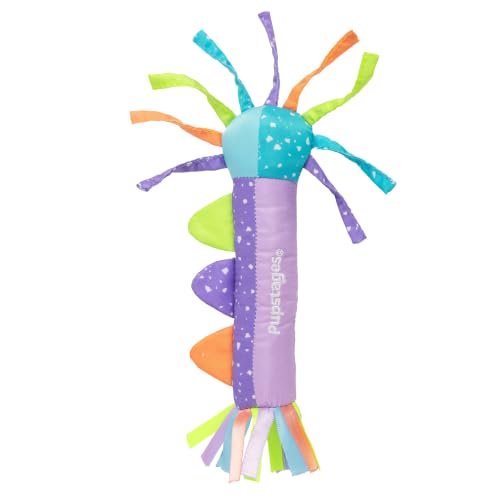
Teething Chew Toys for Puppies: A Complete Guide
Learn how to soothe your puppy's sore gums, choose safe and effective chew toys, and protect your home from destructive chewing during the teething phase.
Puppy teething is one of the most challenging phases of early dog ownership. Between the ages of three and seven months, your adorable new companion transforms into a chewing machine with an uncanny ability to find every shoe, chair leg, and electrical cord in your home. While this behavior can feel frustrating, it is entirely natural — and completely manageable with the right tools.
Teething chew toys are not just accessories; they are essential tools for your puppy's comfort and your home's survival. The right chew toy soothes sore gums, satisfies natural chewing instincts, and redirects your puppy's attention away from forbidden items. In this guide, we will walk you through everything you need to know about selecting, using, and maintaining teething chew toys — so both you and your puppy can get through this phase with minimal stress.
Puppy Teething Timeline
Understanding when and how teething happens helps you anticipate your puppy's needs and choose age-appropriate chew toys. Puppies go through two distinct teething phases, and each has its own challenges.
Phase 1: Baby Teeth Erupt (3–8 Weeks)
Puppies are born toothless. Their first set of teeth — 28 sharp little needles known as deciduous teeth — begin pushing through around three weeks of age. By six to eight weeks, most puppies have a full set of baby teeth. This phase happens while puppies are still with their mother and littermates, so most new owners do not witness it directly. However, puppies adopted at eight weeks may already be experiencing mild gum discomfort.
Phase 2: Adult Teeth Push Through (3–7 Months)
This is the phase most owners associate with "teething." Starting around three months, the adult teeth begin forming beneath the gum line and pushing the baby teeth out. The process peaks between four and six months and usually concludes by seven or eight months. During this window, puppies experience:
- Swollen, tender, and sometimes bleeding gums
- An intense urge to chew on anything and everything
- Increased drooling and occasional mild appetite changes
- Restlessness and disrupted sleep on the worst days
- Small amounts of blood on chew toys as baby teeth loosen
Breed Size Affects Timing: Small and toy breeds often start teething slightly later and may finish later than large breeds. Large and giant breeds tend to go through the process earlier. Regardless of breed, all puppies benefit from appropriate teething chew toys throughout the entire 3–7 month window.
Why the Right Chew Toy Matters
During teething, your puppy's gums are inflamed and sensitive. Chewing provides counter-pressure that relieves discomfort, similar to how human babies gnaw on teething rings. But not all chew toys are created equal. The wrong toy can damage fragile baby teeth, injure gums, or create choking hazards.
A well-chosen teething chew toy serves several important purposes:
- Pain relief: The mechanical pressure of chewing on a soft, yielding surface soothes aching gums and helps baby teeth detach cleanly.
- Behavior management: Puppies have an innate need to chew. Providing an appropriate outlet reduces destructive behavior on furniture, shoes, and household items.
- Dental development: Proper chewing helps adult teeth emerge in correct alignment and supports healthy jaw development.
- Mental stimulation: Chew toys provide an engaging activity that relieves boredom and reduces anxiety, especially during alone time.
- Bonding and training: Teaching your puppy what is appropriate to chew is a foundational lesson in avoiding common training mistakes and building a well-behaved adult dog.
If your puppy is showing signs of excessive chewing that goes beyond normal teething, or if you are dealing with other puppy challenges like jumping, our guide on stopping dog jumping offers complementary training advice.
Types of Teething Chew Toys
The market is flooded with chew toys, but not all are suitable for a teething puppy. Below are the main categories, each with distinct benefits and considerations.
1. Rubber Teething Toys
Rubber chew toys are the gold standard for teething puppies. High-quality rubber is soft enough to give slightly under pressure (protecting baby teeth) yet durable enough to withstand weeks of chewing. Look for toys with textured surfaces that massage gums and offer varied sensations.
- Tier: Entry-level to premium depending on material quality and brand reputation
- Best for: Moderate chewers, all-day chewing sessions
- Tips: Choose natural rubber over synthetic materials. Freeze for extra soothing relief.
2. Silicone Teething Rings
Designed specifically for puppies, silicone teething rings often mimic human baby teethers. They are gentle on gums, easy to clean, and can be frozen for additional relief. These are particularly useful for puppies in the earliest weeks of teething.
- Tier: Budget-friendly to mid-tier
- Best for: Small puppies, light chewers, early teething
- Tips: Inspect regularly for cracks or tears, which can become choking hazards.
3. Rope Toys
Rope toys serve double duty as chew toys and interactive play tools. The fibers gently floss between teeth while your puppy chews, and the toy can be used for supervised games of tug. However, rope toys are not indestructible, and ingested fibers can cause serious intestinal blockages.
- Tier: Budget-friendly to mid-tier
- Best for: Supervised chewing and interactive play
- Tips: Never leave a rope toy with an unsupervised puppy. Replace when frayed.
4. Freezable Toys
Freezable chew toys are among the most effective tools for relieving teething pain. Simply fill with water, puppy-safe broth, or plain yogurt and freeze. The cold temperature numbs sore gums while the chewing action provides counter-pressure.
- Tier: Mid-range to premium
- Best for: Intense teething discomfort, hot weather
- Tips: Use plain, unsweetened yogurt and avoid xylitol-containing products. Let frozen toys soften slightly for very young puppies.
5. Puzzle Chew Toys
Puzzle toys combine chewing with problem-solving, providing mental stimulation that tires puppies out more effectively than physical exercise alone. Many puzzle toys are designed to hold treats, encouraging your puppy to chew and work for rewards.
- Tier: Mid-range to premium
- Best for: Smart, high-energy puppies, boredom prevention
- Tips: Start with easy puzzles and increase difficulty gradually. Our guide to puzzle toys for dogs has more ideas.
6. Edible Chews
Edible chews like bully sticks, dental chews, and certain dried tendons are popular because they satisfy the chewing urge while being safely digestible. However, not all edible chews are suitable for puppies — many are too hard and can fracture baby teeth.
- Tier: Budget-friendly to premium
- Best for: Occasional chewing sessions, dental hygiene
- Tips: Choose softer, size-appropriate options. Always supervise and remove when the chew becomes small enough to swallow. Our guide to dog dental chews covers safe edible options.
Safe vs. Unsafe Chew Materials
One of the most important decisions you will make is choosing the right material. Puppy teeth are fragile, and the wrong material can cause fractures, gum injuries, or worse.
Safe Materials for Puppies
- Soft rubber: Yields under pressure, protecting teeth and gums
- Food-grade silicone: Gentle, non-toxic, and easy to clean
- Fabric and fleece: Soft on gums, ideal for gentle chewers
- Rope: Supervised use only, with fibers that floss teeth
- Soft edible chews: Size-appropriate and always supervised
Unsafe Materials for Puppies
- Antlers: Far too hard for baby teeth, can cause fractures
- Hooves: Brittle and prone to splintering
- Nylon bones: Hard enough to crack puppy teeth
- Ice cubes: Can chip teeth or cause stomach upset
- Sticks and rocks: Splinter, break, or cause blockages
The Fingernail Test: Before giving any chew toy to a teething puppy, press your fingernail into it. If you cannot make a dent, it is too hard. If you can scratch it easily, it is likely too soft and may break apart. Look for a toy that gives slightly but springs back — this is the sweet spot for teething puppies.
If your puppy has already moved past teething and is now an aggressive chewer, our guide to vet-recommended bones for aggressive chewers and treat-dispensing toys for aggressive chewers will help you transition to appropriate adult chew options.
How to Choose the Right Toy for Your Puppy
With hundreds of options available, selecting the right teething toy can feel overwhelming. Use these criteria to narrow down your choices:
- Size matters: The toy should be large enough that your puppy cannot swallow it but small enough to fit comfortably in their mouth. Avoid toys that are just slightly larger than your puppy's throat.
- Match the chewing style: Aggressive chewers need more durable rubber toys, while gentle chewers can enjoy softer silicone or fabric toys.
- Consider the teething stage: Early teething (3–4 months) benefits from soft, freezable toys. Mid-teething (4–6 months) calls for textured rubber. Late teething (6–7 months) can handle slightly firmer materials.
- Check for safety features: Avoid toys with small parts that can detach, squeakers that can be swallowed, or painted surfaces that may chip.
- Look for easy cleaning: Toys should be dishwasher-safe or easy to hand-wash with pet-safe soap.
- Introduce variety: Different textures and shapes keep your puppy engaged and prevent boredom. Rotate toys every few days.
For additional guidance on finding high-quality puppy products, our article on high-quality puppy food shares principles that apply equally to choosing chew toys — quality materials matter, and reading labels is essential.
DIY Teething Relief Solutions
You do not need to spend a fortune on chew toys. Several effective teething solutions can be made at home with items you probably already have. These DIY options are particularly useful for providing variety and for those moments when you need a quick fix.
Frozen Washcloth
Dampen a clean washcloth, twist it into a rope shape, and freeze it. The textured fabric is gentle on gums, and the cold provides soothing relief. Always supervise your puppy to ensure they do not chew off and swallow pieces of fabric.
Frozen Broth Pops
Pour low-sodium, onion-free, and garlic-free chicken or beef broth into an ice cube tray or silicone mold and freeze. These flavorful pops encourage chewing and provide hydration. Avoid broth containing xylitol, onions, or garlic, which are toxic to dogs.
Frozen Kong-Style Toy
Stuff a durable rubber toy with plain yogurt, mashed banana, or puppy-safe peanut butter (xylitol-free), then freeze. This provides hours of engagement and gentle gum relief. Our guide to interactive dog toys offers more creative filling ideas.
Important Safety Note: Never give your puppy ice cubes directly. While frozen toys are excellent, solid ice is hard enough to chip fragile puppy teeth and can cause stomach upset. Always freeze something with some give to it.
Redirecting Destructive Chewing
Even with a generous supply of chew toys, your puppy will occasionally target forbidden items. How you respond in these moments determines whether your puppy learns appropriate chewing habits or develops anxiety around you.
The Redirect Method
When you catch your puppy chewing something they should not, calmly remove the item and immediately replace it with an appropriate chew toy. Praise your puppy for engaging with the correct toy. This teaches the simple lesson: "chew this, not that."
What Not to Do
- Never scold after the fact: Puppies cannot connect punishment to an action that happened minutes earlier. They only learn to fear you.
- Never use physical punishment: Hitting, alpha rolls, or shaking scruffs damage trust and can trigger defensive aggression.
- Never give old shoes as toys: This teaches your puppy that shoes are acceptable chew items, and they cannot distinguish between old and new.
If chewing is accompanied by other behavior issues, our guide to behavior modification techniques and our article on when to see a behaviorist provide expert guidance for more complex cases.
Prevention Strategies
- Manage the environment: Keep shoes, cords, and valuables out of reach. Use baby gates to restrict access to problem areas.
- Provide adequate exercise: A tired puppy is a well-behaved puppy. Daily walks and play sessions reduce the urge to chew out of boredom.
- Use deterrent sprays: Bitter-tasting sprays can make furniture and cords less appealing. Test on a small area first.
- Rotate toys: Keep three or four chew toys available at a time and rotate them every few days to maintain novelty.
Toy Safety and Supervision
Even the safest chew toy can become dangerous if it is damaged or misused. Follow these safety guidelines to protect your puppy:
- Inspect toys daily: Check for cracks, tears, loose pieces, or sharp edges. Discard damaged toys immediately.
- Supervise chewing sessions: Especially with rope toys, edible chews, and any toy that could break apart. Never leave a teething puppy alone with a chew toy that has small components.
- Size appropriately: A toy that is too small is a choking hazard. A toy that is too large can be frustrating and ineffective.
- Avoid toys with squeakers: Squeakers are a common choking hazard, especially for determined chewers who will work to extract them.
- Wash toys regularly: Bacteria and mold can accumulate on chew toys. Wash rubber and silicone toys with warm, soapy water weekly.
- Watch for tooth damage: If you notice a cracked or loose tooth, stop using hard chew toys and consult your veterinarian.
For a comprehensive approach to puppy health and safety, our dog first aid kit guide helps you prepare for emergencies, including choking incidents and minor injuries that can occur during play.
Frequently Asked Questions
Final Thoughts on Puppy Teething
Teething is a temporary phase, but the habits your puppy forms during this time can last a lifetime. By providing appropriate teething chew toys, supervising chewing sessions, and redirecting unwanted behavior calmly and consistently, you can help your puppy through this uncomfortable period while protecting your home and building a foundation for healthy chewing habits. Remember that patience and consistency are your most valuable tools — and that every chewed shoe is a small price to pay for a happy, healthy dog. For more puppy care guidance, explore our complete puppy guide and our recommendations for the best puppy food to support your puppy's growth and development.