Vet Recommended Dog Bones for Aggressive Chewers
Powerful chewers need durable, safe bones that can withstand intense chewing without breaking teeth or posing choking hazards. This vet-informed guide helps you choose the right chew for your dog.
If your dog destroys every toy within minutes, you know the struggle of finding a chew that actually lasts. Aggressive chewers aren't being naughty — they have strong jaws, high energy, and a natural instinct to gnaw. But not all dog bones are created equal, and choosing the wrong one can lead to broken teeth, gastrointestinal blockages, or worse.
Veterinarians consistently recommend that owners of aggressive chewers prioritize safety over durability alone. A chew that's too hard can fracture molars, while one that's too soft becomes a choking hazard. This guide breaks down exactly what vets recommend, which materials hold up to powerful jaws, and how to keep your dog safely occupied. If you're also looking for durable chew toys for dogs, we cover those options as well.
Why Aggressive Chewers Need Special Bones
Aggressive chewers apply significant force through their jaws — some large breeds can exert over 500 pounds of pressure per square inch. This means a "tough" chew for an average dog may last seconds for a power chewer. More importantly, the wrong chew can cause serious injury.
- Tooth fractures: Hard bones like cooked beef bones, antlers, and some nylon products can crack or break teeth. Veterinary dentists report that slab fractures of molars are common in dogs given very hard chews.
- Choking and blockages: Chews that break into large chunks can lodge in the throat or intestines, requiring emergency surgery. This is especially common with cheap, brittle bones.
- Gastrointestinal irritation: Real bones can splinter and cause internal damage. Cooked bones are particularly dangerous because they become brittle and sharp.
- Behavioral needs: Chewing is a natural stress-reliever and boredom-buster. Without appropriate outlets, aggressive chewers may redirect their energy to furniture, shoes, or walls.
Critical Safety Warning: Never give your dog cooked bones of any kind — poultry, beef, pork, or lamb. Cooked bones splinter easily and can puncture the esophagus, stomach, or intestines. This is one of the most common preventable emergencies veterinarians see.
Safety Rules Every Owner Must Know
Even the best chew carries some risk if used improperly. Follow these veterinary guidelines to keep chewing sessions safe:
- Supervise every chewing session: Never leave your dog alone with a chew, especially a new one. Watch for pieces breaking off, excessive wear on teeth, or signs of choking.
- Limit session length: 15-20 minutes of chewing at a time is plenty. Over-chewing can cause jaw fatigue, gum irritation, and excessive tooth wear. Rotate chews to keep them novel.
- Size appropriately: The chew should be large enough that your dog cannot fit it entirely in their mouth or swallow it. As a rule, choose a chew that's at least as long as your dog's muzzle.
- Inspect regularly: Check for cracks, tears, missing chunks, or sharp edges. Discard and replace worn chews immediately — a damaged chew is a choking hazard.
- Provide fresh water: Chewing increases thirst and saliva production. Always have clean water available during and after chewing sessions.
- Know your dog's chewing style: Some dogs gnaw gently for hours; others attack with destructive force. Match the chew's durability rating to your dog's style and weight.
- Monitor for dental wear: Annual vet exams should include a dental check. If your vet notices excessive wear or fractures, reassess your chew choices.
Best Materials for Power Chewers
Veterinarians generally recommend a short list of materials proven safe and durable for aggressive chewers. Here's what to look for and what to avoid:
Recommended Materials
- Natural rubber: Dense, flexible rubber (like KONG Extreme) is the gold standard for aggressive chewers. It has enough give to prevent tooth fractures while being durable enough to last. Ideal for stuffing with treats.
- Nylon: Veterinary-approved nylon chews are tough, long-lasting, and can help scrape plaque. However, some dogs can chew through nylon quickly, and hard nylon can wear teeth over time. Choose softer nylon formulas when possible.
- Dense rubber compounds: Products specifically rated for "power chewers" or "aggressive chewers" use advanced rubber blends that resist tearing. These are excellent for dogs that destroy standard toys.
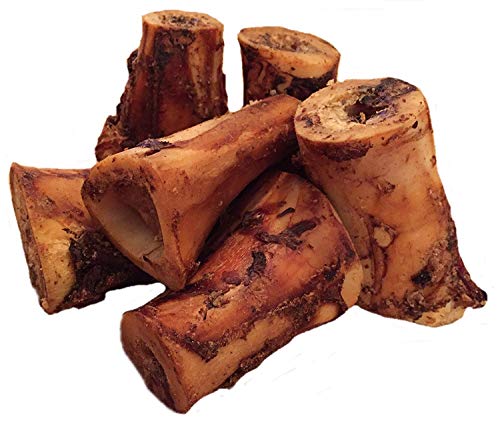
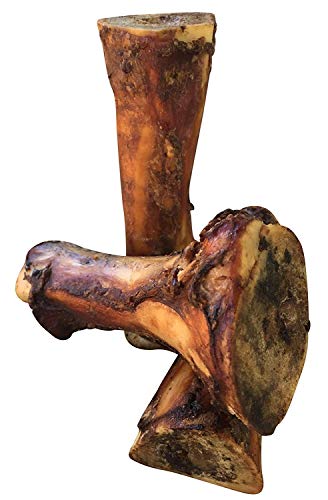
- Raw marrow bones (large): Some vets approve large, raw marrow bones for recreational chewing, but they still carry risk of tooth fracture and bacterial contamination. Supervision is essential.
- Dental chews (firm texture): Chews with the VOHC seal and a firm texture designed for aggressive chewers can help with oral health while satisfying the urge to chew.
Materials to Avoid
- Cooked bones: Brittle, splinter-prone, and the cause of countless veterinary emergencies.
- Antlers: Extremely hard and a common cause of tooth fractures. Vet dentists increasingly advise against them for aggressive chewers.
- Hooves and horns: Very hard and can break teeth; also prone to splintering.
- Soft plastic toys: Not designed for heavy chewing; pieces can be ingested.
- Thin rawhide: Can become soft and swallowable, leading to blockages. Large, thick rawhide is slightly safer but still not vet-recommended for aggressive chewers.
- Pig ears and similar treats: Too small and soft for heavy chewers; risk of choking.
Vet Tip: If you can't dent the chew with your fingernail, it's likely too hard for your dog's teeth. Choose chews with a slight give — they should flex rather than crack. When in doubt, ask your veterinarian to recommend safe options for your dog's specific jaw strength and dental health.
Types of Vet-Approved Chews
Not every chew type works for every dog. Here's a breakdown of the most commonly recommended options for aggressive chewers:
Rubber Chew Toys
Dense natural rubber toys are the top vet recommendation for aggressive chewers. They flex under pressure, reducing tooth fracture risk, and can be stuffed with treats for mental stimulation. Choose products explicitly rated for power chewers.
Premium tierNylon Chew Bones
Long-lasting and widely available, nylon bones satisfy the urge to gnaw and can help remove plaque. Choose softer nylon formulations and monitor for wear. Avoid extremely hard nylon that doesn't yield at all.
Mid-range tierDental Chews for Power Chewers
Firm-textured dental chews with the VOHC seal reduce plaque and tartar while providing a satisfying chew. Look for products specifically labeled for aggressive chewers to avoid breakage.
Mid-range tierRaw Marrow Bones
Large raw marrow bones from beef or bison can satisfy heavy chewers, but they carry risks including tooth fracture and bacterial contamination. Only offer under supervision and never give cooked bones.
Entry-level tierTreat-Dispensing Chew Toys
Combining a durable rubber body with treat-dispensing features keeps aggressive chewers engaged longer. These are excellent for mental stimulation and slowing down fast eaters. See our guide to treat dispensing dog toys for aggressive chewers.
Premium tierBully Sticks (Thick)
Thick, all-natural bully sticks are highly digestible and satisfying, but they can be consumed quickly by aggressive chewers. Choose thicker, longer sticks and supervise closely. Hold one end with a bully stick holder to prevent choking.
Mid-range tierChew Type Comparison
Use this comparison to match a chew type to your dog's needs. Durability tiers are relative — always supervise regardless of rating.
| Chew Type | Durability | Dental Benefit | Best For | Risk Level |
|---|---|---|---|---|
| Rubber chew toys | High (premium tier) | Low to moderate | All aggressive chewers | Low |
| Nylon bones | Very high (mid-range tier) | Moderate | Dogs that don't fracture easily | Moderate (tooth wear) |
| Dental chews | Moderate (mid-range tier) | High | Dogs needing oral care | Low to moderate |
| Raw marrow bones | High (entry-level tier) | Low | Supervised recreational chewing | High (fracture, bacteria) |
| Thick bully sticks | Moderate (mid-range tier) | Low | Short sessions, high-value reward | Moderate (choking) |
| Treat-dispensing toys | High (premium tier) | Low | Mental stimulation + chewing | Low |
How to Choose the Right Bone for Your Dog
Selecting the right chew is about more than durability. Consider these factors before making a purchase:
- Assess your dog's chewing style: Does your dog gnaw methodically or attack destructively? A methodical chewer may do well with a nylon bone, while a destructive chewer needs dense rubber or a product explicitly rated for power chewers.
- Match size to weight: Chew manufacturers provide weight guidelines. Follow them strictly — a chew too small for a large dog is a choking hazard, and one too large for a small dog may be uncomfortable.
- Consider dental health: If your dog has existing dental issues, avoid very hard chews. Soft rubber and firm dental chews are safer choices. Ask your vet for advice tailored to your dog's mouth.
- Check for certifications: Dental chews with the VOHC seal have been proven to reduce plaque and tartar. Chews labeled for "aggressive chewers" have been tested for durability.
- Avoid allergens: Some chews contain common allergens like chicken, beef, or grains. If your dog has food sensitivities, check ingredient lists carefully. See our guide to best dog food for dogs with allergies and sensitive skin for related advice.
- Rotate chews: Keep 2-3 different chews in rotation to prevent boredom and reduce overuse of any single product. This also lets you inspect each chew for wear between sessions.
- Budget for quality: Cheaper chews often break apart faster or use unsafe materials. Mid-range to premium tier chews typically last longer and carry lower risk — a better value over time.
If you're also looking to build a complete chew and dental care routine, our guides to dog dental chews and dog dental cleaning cover brushing, professional cleanings, and other oral health essentials.
Common Mistakes to Avoid
Even well-meaning owners make these mistakes. Avoid them to keep your aggressive chewer safe:
- Giving cooked bones: The most dangerous mistake. Cooked bones splinter and cause internal injuries. Never give your dog bones from your dinner plate.
- Choosing chews based on price alone: The cheapest option is rarely the safest. Prioritize materials and durability ratings over cost.
- Leaving dogs unsupervised: Even the toughest chew can break. Always supervise, especially with new products.
- Ignoring size guidelines: A chew that's too small can be swallowed whole. Always size up if your dog is between sizes.
- Not replacing worn chews: A chewed-down bone is a choking hazard. Replace chews as soon as they show significant wear.
- Assuming "indestructible" means safe: No chew is truly indestructible. "Indestructible" claims refer to durability, not safety from breakage or tooth damage.
- Forgetting dental checks: Aggressive chewing can wear teeth over time. Schedule regular dental exams and adjust chew choices based on your vet's feedback.
Frequently Asked Questions
Bottom Line for Aggressive Chewers:
The safest choice for most aggressive chewers is a high-quality rubber chew toy rated for power chewers, supplemented with firm dental chews and thick bully sticks in supervised sessions. Avoid cooked bones, antlers, hooves, and any chew that's harder than your fingernail. Always supervise, size appropriately, and inspect regularly. Your veterinarian can help you choose the best options for your dog's specific jaw strength and dental health.
If you're still exploring options, our guide to treat dispensing dog toys for aggressive chewers covers puzzle-style chews that provide both mental and physical stimulation.