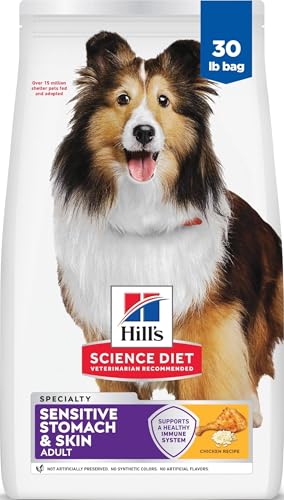
The Best Dog Food for Allergies & Sensitive Stomachs
Struggling with your dog's itchy skin, digestive issues, or chronic ear infections? Find the right food to soothe their symptoms and improve their quality of life.
If your dog suffers from constant itching, recurring ear infections, or frequent stomach upsets, you're not alone. Food allergies and intolerances are among the top health concerns for dogs, affecting up to 10% of the canine population. The good news is that, in many cases, the solution starts in their food bowl.
This guide will help you navigate the often-confusing world of dog food to find a diet that provides relief for your dog's allergies and supports their sensitive stomach.
Understanding Dog Food Allergies
A true food allergy is an immune system response to a specific protein in the food, most commonly from animal sources like chicken, beef, or dairy, but also from grains. This is different from a food sensitivity or intolerance, which is a non-immune reaction, often digestive (like the inability to digest lactose). However, both can cause very similar, uncomfortable symptoms in your dog.
The Most Common Allergens
- Proteins: Chicken, beef, pork, lamb, fish, and dairy products are the most frequent triggers.
- Grains: While less common, some dogs are allergic to wheat, corn, or soy.
- Additives: Artificial colors, preservatives, or flavors can also be potential culprits.
A dog elimination diet is the gold standard for identifying which ingredient is causing the issue. This requires a strict, 8-12 week trial with a novel protein diet.
Why Sensitive Stomachs Need Special Care
A sensitive stomach means your dog's digestive system is easily upset. This can be caused by allergies, but also by a less robust microbiome, or dietary indiscretion. For these dogs, a diet that is highly digestible and contains digestive enzymes for dogs or prebiotics can be incredibly beneficial.
Common Symptoms to Watch For
Food allergies and sensitivities often manifest in two main ways: skin and ear issues (dermatological) or digestive problems (gastrointestinal).
- Itchy Skin: Excessive scratching, licking, or chewing, especially on the paws, face, and belly.
- Ear Infections: Recurring or chronic ear infections with redness, odor, or discharge.
- Digestive Upset: Vomiting, diarrhea, flatulence, or a change in appetite.
- Skin Rashes: Red, inflamed skin, or a dull, dry coat.
- Hot Spots: Localized areas of intense inflammation and infection from licking and scratching.
💡 Did You Know? Skin issues like chronic itching are often the first sign of a food allergy. It's one of the most common reasons for vet visits. If you suspect a food allergy, a diet change is often the first step your dog veterinarian will recommend.
Key Ingredients to Look For (and Avoid)
When shopping for the best dog food for allergies and sensitive stomachs, reading the ingredient list is crucial. You'll need to become a label detective. Look for diets with the following qualities, and steer clear of others.
Ingredients to Prioritize
- Limited Ingredient Diets (LID): These contain a single protein source and a single carbohydrate source, making it easier to pinpoint an allergen.
- Novel Proteins: These are protein sources your dog has likely never eaten before, such as venison, duck, rabbit, kangaroo, or salmon. This is the core of an elimination diet. For example, a dry dog food for German Shepherd with sensitive stomach often uses lamb or salmon.
- Easily Digestible Carbohydrates: Sweet potatoes, pumpkin, and oats are gentle on the stomach and provide good fiber for digestion.
- Omega-3 Fatty Acids: Found in fish oil and flaxseed, these are potent anti-inflammatories that can soothe itchy skin.
- Prebiotics & Probiotics: These support a healthy gut microbiome, improving digestion and overall immune function.
Ingredients to Avoid
- By-Products: These are unnamed meat or poultry products. They are often hard to digest and can be an indicator of lower-quality ingredients.
- Artificial Preservatives: Such as BHA, BHT, and ethoxyquin. These can be irritating to some dogs.
- Artificial Colors & Flavors: Unnecessary and can be potential allergens.
- Common Allergens: If you haven't done an elimination diet, look for foods that avoid common proteins like chicken, beef, and dairy.
💡 Pro Tip: Don't be fooled by the term "grain-free." Unless your dog has a diagnosed grain allergy, a grain-free diet is unnecessary and has been linked to canine heart disease (DCM) in some studies. A diet with healthy grains like oatmeal and barley is often a better, safer choice for a sensitive stomach.
Types of Diets for Allergic Dogs
There are several types of therapeutic and over-the-counter diets designed for dogs with allergies and sensitivities. The best choice for you will depend on your dog's specific triggers and your lifestyle.
- Hydrolyzed Protein Diets: In these diets, the protein molecules are broken down into small pieces that the immune system doesn't recognize. These are considered hypoallergenic and are a great option for dogs with severe, undefined allergies. They are typically available only through a dog veterinary visit.
- Novel Protein Diets: As mentioned, these use a single, new protein source. They are excellent for elimination diets and are available both as prescription and high-quality over-the-counter foods. Diets featuring fresh dog food with novel proteins like rabbit or venison are becoming increasingly popular.
- Limited Ingredient Diets (LID): These simplify the ingredient list down to the essentials, making it much less likely for a dog to react to an ingredient. They are a great first step for mild to moderate allergies.
- Sensitive Stomach & Skin Formulas: These often feature highly digestible proteins and carbs, plus added omegas and probiotics to support skin and digestive health.
When choosing a diet, remember to consider your dog's life stage as well. A puppy food or senior formula will have different nutritional requirements. Always read the label to ensure it's AAFCO-certified for the correct life stage.
How to Transition Your Dog's Diet
Switching your dog's food is a process, and doing it too quickly can cause stomach upset, even with the best diet. Follow this slow, seven-day transition plan to give your dog's digestive system time to adapt.
- Day 1-2: 75% old food, 25% new food.
- Day 3-4: 50% old food, 50% new food.
- Day 5-6: 25% old food, 75% new food.
- Day 7: 100% new food.
Important Note: A new diet for allergies can take up to 8-12 weeks to show results. Be patient and strict. This means NO treats, table scraps, or flavored medications. Everything your dog consumes must be part of the new diet for the trial to be effective.
Frequently Asked Questions
Take the First Step Toward Relief
Finding the right dog food can be a journey, but it's one of the most rewarding things you can do for your dog's health. By understanding the ingredients, knowing the symptoms, and choosing a high-quality, appropriate diet, you can help your dog live a happier, more comfortable life. If you are ready to make a change, we've curated a list of top-rated products below, selected by our experts to help you get started on the right path.