Fresh Dog Food: The Complete Guide
Everything you need to know about fresh dog food — benefits, types, how to choose, transition tips, and whether it's right for your dog.
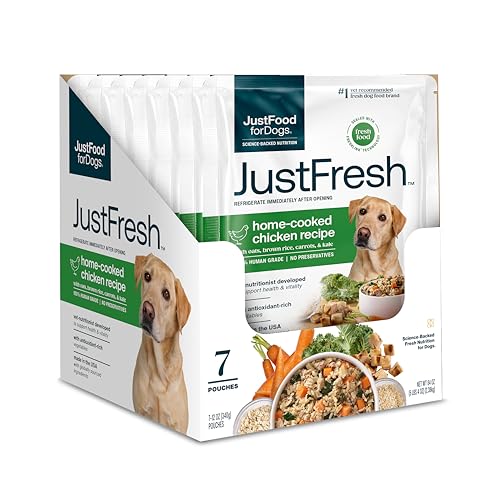
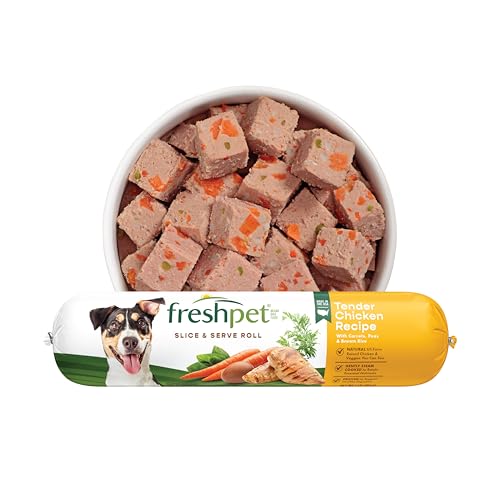
Fresh dog food has transformed the way dog owners think about canine nutrition. Unlike traditional kibble that sits on shelves for months, fresh dog food is made with human-grade ingredients, gently cooked or prepared raw, and delivered in a form that closely resembles what dogs would naturally eat. The result is a diet that many owners report transforms their dog's health — shinier coats, better digestion, increased energy, and even improved behavior.
But is fresh dog food really worth the hype? And more importantly, is it right for your dog? This guide cuts through the marketing claims and gives you the practical information you need to make an informed decision. Whether you're considering a fresh dog food delivery service or thinking about making your own meals at home, this comprehensive resource covers everything from nutritional science to real-world feeding tips.
What Is Fresh Dog Food?
Fresh dog food refers to commercially prepared or homemade dog meals made from whole, human-grade ingredients that are minimally processed and typically refrigerated or frozen to maintain freshness. Unlike traditional dry kibble, which is extruded at high temperatures and preserved with artificial ingredients, fresh dog food is gently cooked at lower temperatures to retain nutrients and flavor.
The key characteristics that define fresh dog food include:
- Human-grade ingredients: Made from ingredients fit for human consumption, often sourced from the same supply chains as human food.
- Minimal processing: Gently cooked or prepared raw — never extruded at high heat like kibble.
- No artificial preservatives: Preserved through refrigeration or freezing, not synthetic chemicals.
- High moisture content: Typically 60-80% moisture, compared to 10% in dry kibble. This supports hydration and urinary health.
- Whole food ingredients: Real meat, vegetables, fruits, and grains — not by-products, meals, or synthetic additives.
Important Distinction: "Fresh" dog food is not the same as "raw" dog food, though the terms are sometimes used interchangeably. Fresh food is typically gently cooked for safety, while raw food is served uncooked. Both can be excellent options, but they require different handling and safety precautions. Learn more about raw dog food diets if you're considering that route.
Benefits of Fresh Dog Food
Dog owners who switch to fresh food often report dramatic improvements in their dog's health and vitality. While individual results vary, the scientific and anecdotal evidence supports several key benefits:
Physical Health Benefits
- Improved digestion: Fresh food is more bioavailable, meaning dogs can absorb nutrients more efficiently. Many owners report firmer stools, less gas, and reduced digestive upset.
- Healthier skin and coat: The natural fats and nutrients in fresh food often lead to a shinier coat and reduced itching or dryness.
- Better weight management: Fresh food's high moisture content helps dogs feel full with fewer calories. Many overweight dogs naturally lose weight on fresh food.
- Increased energy: Without the fillers and preservatives in some kibbles, dogs often show more vitality and enthusiasm.
- Dental health: Some fresh food formats (especially raw meaty bones) help clean teeth naturally, though dental care is still important.
Behavioral & Lifestyle Benefits
- Picky eaters: Fresh food's aroma and flavor are highly palatable. Dogs who turn their noses up at kibble often eagerly eat fresh food.
- Reduced allergy symptoms: Many fresh food brands offer limited-ingredient or hypoallergenic formulas that help dogs with food sensitivities.
- Portion control: Pre-portioned fresh food deliveries make it easy to feed the right amount every time.
- Bonding: Preparing or serving fresh food can become a meaningful ritual that strengthens your relationship with your dog.
Owner Testimonial Insight: In surveys of dog owners who switched to fresh food, over 70% reported noticeable improvements in their dog's coat, energy, and digestion within the first month. However, individual results vary, and some dogs may not experience dramatic changes. Fresh food is not a cure-all — but for many dogs, it's a significant upgrade.
Types of Fresh Dog Food
Fresh dog food comes in several formats, each with its own advantages and considerations. Understanding the differences helps you choose the right option for your dog and lifestyle.
Gently Cooked Fresh Food
The most common type of commercial fresh dog food. Ingredients are gently cooked at low temperatures to kill bacteria while preserving nutrients. Typically delivered refrigerated or frozen in pre-portioned packs. Easy to serve — just thaw and feed.
mid-range to premiumRaw Frozen Food
Uncooked meat, bones, organs, and vegetables, frozen for safety. Mimics ancestral diets most closely. Requires careful handling and thawing. Higher risk of bacterial contamination if not handled properly. Popular among proponents of raw feeding.
premium to luxuryFreeze-Dried Raw Food
Raw ingredients that are freeze-dried to remove moisture while preserving nutrients. Shelf-stable and convenient. Can be rehydrated with water before serving. Lightweight and excellent for travel. See our freeze-dried dog food guide for more details.
premiumFresh Food Toppers
Fresh, human-grade food designed to be mixed with kibble rather than fed as a complete diet. An excellent entry point for owners curious about fresh food. Improves palatability and nutrition without fully committing to a fresh-only diet.
entry-level to mid-rangeHome-Cooked Fresh Food
Meals prepared in your own kitchen from human-grade ingredients. Complete control over ingredients and preparation. Requires veterinary nutritionist guidance to ensure nutritional completeness. Time-intensive but rewarding.
mid-range (variable)Fresh Food Subscription Delivery
Pre-portioned fresh meals delivered on a regular schedule. Customized to your dog's age, weight, and health needs. The most convenient way to feed fresh. Popular services deliver in insulated packaging with clear feeding instructions.
premium to luxuryFresh Food vs Kibble: A Detailed Comparison
The choice between fresh food and kibble is one of the most debated topics in canine nutrition. Both have legitimate advantages, and the "best" choice depends on your dog's individual needs, your budget, and your lifestyle.
| Factor | Fresh Dog Food | Dry Kibble |
|---|---|---|
| Moisture Content | High (60-80%) — supports hydration | Low (10%) — dogs must drink more water |
| Processing | Gently cooked or raw — minimal processing | Extruded at high temperatures |
| Ingredients | Human-grade, whole foods | Variable quality, often includes by-products |
| Preservatives | None or natural (refrigeration/freezing) | Synthetic preservatives common |
| Convenience | Requires refrigeration, thawing, careful handling | Shelf-stable, easy to store and serve |
| Cost | Premium to luxury tier | Entry-level to mid-range tier |
| Shelf Life | Days to weeks (refrigerated/frozen) | Months to years |
| Dental Health | Depends on format (some raw meaty bones help) | Kibble texture can help reduce plaque |
| Palatability | Very high — most dogs love fresh food | Variable — some dogs are picky |
| Weight Management | Easier due to high moisture and satiety | Requires careful measuring |
The Verdict: There's no universally "best" choice. Fresh food offers nutritional advantages that many dogs visibly benefit from, but it requires more commitment in terms of cost, storage, and handling. Kibble remains a convenient, safe, and nutritionally complete option for many dogs. Some owners find the ideal solution in a hybrid approach — using fresh food as a topper or mixing it with kibble. If you're considering dry dog food, look for brands with high-quality ingredients and AAFCO certification.
How to Choose a Fresh Dog Food Brand
Not all fresh dog food brands are created equal. With the market growing rapidly, it's essential to evaluate brands carefully to ensure you're getting a nutritionally complete, safe, and high-quality product.
Key Criteria for Evaluating Fresh Food Brands
- AAFCO Nutritional Adequacy: Look for a statement on the packaging that the food is "complete and balanced" according to AAFCO (Association of American Feed Control Officials) standards for your dog's life stage. This ensures the food meets minimum nutritional requirements.
- Ingredient Quality: Look for named meat sources (chicken, beef, turkey) as the first ingredient. Avoid vague terms like "meat meal" or "animal by-products." Whole vegetables, fruits, and grains are preferable to synthetic vitamin premixes.
- Manufacturing Standards: Choose brands that manufacture in facilities that meet human-grade standards. Some brands are transparent about their kitchens and safety protocols — look for this information on their websites.
- Formulation Expertise: Brands that employ veterinary nutritionists or formulate with board-certified nutritionists are more likely to produce nutritionally sound products. Check if the company has a veterinary nutritionist on staff.
- Safety Record: Research the brand's recall history. A brand with multiple recalls or safety issues should be avoided. The FDA website maintains a database of pet food recalls.
- Feeding Guidelines: Clear, easy-to-understand feeding instructions based on your dog's weight and life stage are essential. Brands that provide personalized feeding plans are ideal.
- Customer Reviews: Read reviews from other dog owners, but be aware that reviews can be biased. Look for consistent patterns of feedback about quality, customer service, and results.
- Packaging and Delivery: Fresh food must be kept at safe temperatures during shipping. Insulated packaging with dry ice or gel packs is essential. Check if the brand offers flexible delivery schedules.
Pro Tip: Start with a trial or sampler pack from a brand you're considering. Most fresh food companies offer introductory offers or smaller portions specifically for this purpose. This allows you to test whether your dog likes the food and whether it agrees with their digestive system before committing to a full subscription.
How to Transition Your Dog to Fresh Food
Switching to fresh food should be done gradually to avoid digestive upset. A sudden change in diet can cause diarrhea, vomiting, and discomfort. The transition period allows your dog's digestive system to adjust to the new food.
The 7-10 Day Transition Schedule
- Days 1-3: 25% fresh food, 75% old food. Mix thoroughly. Monitor your dog's stools for any changes.
- Days 4-6: 50% fresh food, 50% old food. If stools are normal, continue to the next phase. If diarrhea occurs, slow down.
- Days 7-9: 75% fresh food, 25% old food. Your dog should be adjusting well by this point.
- Day 10 onwards: 100% fresh food. Congratulations — you've successfully transitioned your dog!
Special Considerations: Dogs with sensitive stomachs may need a slower transition over 2-3 weeks. Puppies, senior dogs, and dogs with medical conditions should be transitioned under veterinary supervision. If your dog experiences persistent diarrhea, vomiting, or lethargy during the transition, consult your vet. You can also try foods for dogs with sensitive stomachs if your dog is particularly sensitive.
Storage & Safety
Fresh food requires proper handling to maintain safety and nutritional value. Because it contains no artificial preservatives, it spoils much faster than kibble.
Storage Guidelines
- Refrigeration: Most fresh food should be kept refrigerated and used within 3-5 days of opening or thawing. Always follow the manufacturer's specific storage instructions.
- Freezing: For longer storage, portion meals and freeze them. Frozen fresh food typically keeps for 2-3 months. Thaw in the refrigerator overnight — never at room temperature.
- Portioning: Before freezing, portion the food into individual servings to avoid thawing more than you need. Use airtight containers or freezer bags.
- Temperature: Keep your refrigerator at 40°F (4°C) or below. Use a thermometer to verify. When serving, the food can be slightly warmed (not cooked) to enhance aroma, but never serve hot.
- Discard leftovers: Any food your dog doesn't eat within 30 minutes should be refrigerated or discarded. Never leave fresh food out at room temperature for more than 2 hours.
Safety Note: If you're feeding raw fresh food, handle it with the same precautions you would use for raw meat: wash your hands, clean surfaces and utensils thoroughly, and keep raw food separate from other foods. Some raw food brands use high-pressure processing (HPP) to reduce bacterial risk — a worthwhile feature to look for. Read our raw dog food guide for comprehensive safety information.
Cost & Value Considerations
Fresh dog food is an investment in your dog's health — but it's important to understand the full picture before committing.
Fresh dog food typically costs more than kibble. The exact difference depends on the brand, your dog's size, and the type of fresh food you choose. Here's what you're paying for when you choose fresh:
- Higher quality ingredients: Human-grade meat and produce cost more than feed-grade ingredients used in many kibbles.
- More expensive manufacturing: Gentle cooking or raw preparation is more labor-intensive than extrusion.
- Cold chain logistics: Shipping and storing fresh food in temperature-controlled conditions adds cost.
- Research and development: High-quality fresh food brands invest in formulation expertise and nutritional science.
Value Perspective: While fresh food requires a larger upfront investment, many owners find it saves money on veterinary bills over time. Improved digestion, healthier skin, and better weight management can reduce the need for medical treatments. That said, fresh food is not a substitute for veterinary care. Think of it as an investment in preventive health. If the cost is a barrier, consider using fresh food as a topper or mixing it with a high-quality kibble — you'll still see benefits at a lower cost. See our recommendations for best dry dog food if you're looking for a quality kibble to mix with fresh.
Common Mistakes to Avoid with Fresh Dog Food
Even well-intentioned owners can make mistakes when switching to fresh food. Avoid these common pitfalls for a smooth experience:
- Transitioning too quickly. A gradual transition is essential to prevent digestive upset. Rushing the process can cause diarrhea and vomiting that may deter you from continuing.
- Not following feeding guidelines. Fresh food is calorie-dense and nutrient-rich. Feeding too much can cause weight gain. Use the brand's feeding chart and adjust based on your dog's body condition.
- Improper storage. Leaving fresh food out too long or failing to refrigerate it properly can lead to bacterial growth and food poisoning. Follow storage instructions carefully.
- Choosing a brand without AAFCO adequacy. Not all fresh food is nutritionally complete. Always look for the AAFCO statement on the packaging. A food that's not complete and balanced can lead to nutrient deficiencies over time.
- Ignoring your dog's individual needs. Puppies, seniors, and dogs with health conditions have different nutritional requirements. Choose a formula appropriate for your dog's life stage. If your dog has specific health issues, consult your vet. Our guides on puppy food and senior dog food can help.
- Assuming fresh food fixes everything. Fresh food is an excellent choice for many dogs, but it's not a substitute for veterinary care, dental hygiene, exercise, and training. It's one component of a holistic approach to dog health.
- Not consulting your vet. Before making major dietary changes, especially for dogs with health conditions, consult your veterinarian. Your vet can help you choose the right food and monitor for any issues.
Frequently Asked Questions
Ready to Make the Switch?
Fresh dog food can be a game-changer for your dog's health and happiness. If you're considering taking the plunge, start by researching brands that meet AAFCO standards and offer trial sizes. Our curated selection of fresh dog food options below can help you get started. Remember to transition gradually, follow storage guidelines, and consult your vet if you have any questions. Your dog deserves the best — and fresh food might just be it.