The Complete Guide to Freeze Dried Dog Food
Discover why freeze dried dog food is revolutionizing canine nutrition — raw ingredients, minimal processing, maximum convenience, and a taste dogs love.
If you have been exploring better nutrition options for your dog, you have likely encountered freeze dried dog food — a category that has exploded in popularity among pet parents who want the benefits of raw feeding without the hassle, mess, or safety concerns of handling raw meat daily.
But what exactly is freeze dried dog food? Is it worth the higher cost compared to traditional kibble? And how do you know which product is right for your dog? This comprehensive guide answers all your questions and helps you make an informed decision for your canine companion.
What Is Freeze Dried Dog Food?
Freeze dried dog food is essentially raw dog food that has undergone a specialized preservation process. The food is first frozen, then placed in a vacuum chamber where the atmospheric pressure is lowered and the temperature is gradually raised. Under these conditions, the ice in the frozen food sublimates — meaning it transitions directly from solid to vapor without passing through a liquid stage.
This process removes approximately 98% of the moisture content while preserving the nutritional integrity, natural enzymes, vitamins, and flavor of the original raw ingredients. The result is a lightweight, shelf-stable product that looks and feels like dry kibble but is actually raw nutrition in disguise.
Unlike traditional dry dog food which is cooked at high temperatures (destroying many nutrients), freeze dried dog food retains nearly all the nutritional value of raw meat, organs, and bones. It is also different from wet dog food because it requires no refrigeration until rehydrated.
Key Point: Freeze dried dog food is raw food — it is just preserved through a gentle dehydration process rather than cooking or chemical preservation. When you rehydrate it with water, you are essentially serving raw food that has been safely stored at room temperature.
How Freeze Drying Works
Understanding the freeze drying process helps you appreciate why this food is different from conventional options. The process happens in three distinct phases:
- Freezing: Fresh raw ingredients — meat, organs, bones, and vegetables — are prepared and rapidly frozen at very low temperatures. This locks in the nutritional profile and prevents ice crystal formation that could damage cell structures.
- Sublimation (Primary Drying): The frozen food is placed in a vacuum chamber. The pressure is reduced below the triple point of water, allowing the ice to turn directly into water vapor without melting. This is the critical step that preserves the food's cellular structure and nutrients.
- Secondary Drying (Desorption): The temperature is gradually raised to remove any remaining bound water molecules. This final step ensures the product is shelf-stable and has a long storage life without refrigeration.
The entire process typically takes 20-40 hours depending on the product and batch size. The result is a product that weighs about 80-90% less than the original raw ingredients — which is why freeze dried food appears more expensive per pound but actually delivers more nutrition per ounce than you might expect.
Key Benefits of Freeze Dried Dog Food
Freeze dried dog food offers a unique combination of benefits that neither traditional kibble nor frozen raw food can match. Here is why more pet parents are making the switch:
- Preserves raw nutrition: Unlike kibble, which is cooked at high temperatures that destroy enzymes and degrade vitamins, freeze drying preserves the nutritional integrity of raw ingredients. Your dog gets the benefits of a raw diet without you having to handle raw meat.
- Convenient and shelf-stable: No refrigeration or freezer space required. Freeze dried food can be stored in your pantry and has a shelf life of 18-24 months unopened. This makes it ideal for travel, emergency kits, and multi-dog households.
- Lightweight and portable: Because 98% of the water is removed, freeze dried food weighs a fraction of fresh or frozen raw food. A week's worth of food for a medium dog fits easily in a backpack or carry-on.
- Highly palatable: Dogs consistently prefer the taste and smell of freeze dried food over kibble. The gentle preservation process locks in natural flavors and aromas that make food irresistible — even for picky eaters.
- Versatile feeding options: Feed it dry as a treat or training reward. Rehydrate with water for a complete meal. Crumble it as a food topper to entice fussy eaters. Freeze dried food adapts to your dog's needs and your lifestyle.
- Excellent for sensitive dogs: Dogs with food allergies or sensitivities often thrive on freeze dried diets because the ingredients are minimal, recognizable, and free from the synthetic additives, preservatives, and fillers found in many commercial kibbles.
- Reduced bacterial risk: While freeze drying does not sterilize food, the absence of moisture makes it much less hospitable to bacterial growth compared to fresh raw meat. Proper handling and rehydration with clean water further minimize risk.
Tip for Picky Eaters: If your dog turns their nose up at regular food, try crumbling a freeze dried nugget or patty over their existing meal. The intense aroma and flavor often entice even the fussiest dogs to eat. You can also use freeze dried food as a high-value training reward — it is far more motivating than standard treats.
Freeze Dried vs Other Dog Foods
How does freeze dried dog food compare to the other main categories of dog food? This table breaks down the key differences:
| Feature | Freeze Dried | Dry Kibble | Frozen Raw | Wet/Canned |
|---|---|---|---|---|
| Processing | Raw, gently dehydrated | Cooked at high heat | Raw, frozen | Cooked, canned |
| Nutrition Retention | Excellent | Moderate | Excellent | Good |
| Convenience | Very High | Very High | Low | High |
| Storage | Pantry, shelf-stable | Pantry, shelf-stable | Freezer required | Pantry, refrigerate after opening |
| Cost Level | Premium to Luxury | Entry to Mid-Range | Premium | Mid to Premium |
| Palatability | Very High | Moderate | Very High | High |
| Best For | Travel, picky eaters, raw feeders wanting convenience | Budget-conscious owners, large dogs | Owners with freezer space, committed raw feeders | Senior dogs, dogs with dental issues |
As the table shows, freeze dried dog food occupies a unique position: it offers the nutritional benefits of raw feeding with the convenience and storage stability of kibble. For many pet parents, this is the perfect compromise.
Types of Freeze Dried Dog Food Products
Freeze dried dog food comes in several formats, each suited to different feeding situations. Understanding these options helps you choose the right product for your dog.
Complete Meals (Nuggets & Patties)
These are formulated to meet AAFCO nutritional standards as a complete and balanced diet. They contain muscle meat, organs, bones, and often vegetables and supplements. Feed as your dog's primary diet by rehydrating with water. Available in various protein sources including chicken, beef, turkey, lamb, and fish.
Mid-range to LuxuryFood Toppers & Mixers
These are not complete diets but are designed to be added to your dog's existing food for extra nutrition and palatability. They often contain single ingredients like freeze dried liver, heart, or tripe. Excellent for enticing picky eaters, adding protein to a kibble-based diet, or transitioning to raw.
Entry-level to Mid-rangeTreats & Training Rewards
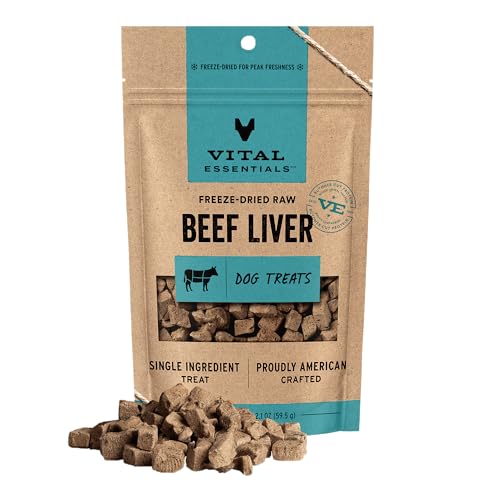
Single-ingredient freeze dried treats like chicken breast, beef liver, or salmon are incredibly popular. They are high-value, aromatic, and easy to break into small pieces for training. Unlike many processed treats, they contain no fillers, grains, or artificial preservatives. Ideal for dogs with allergies.
Entry-level to PremiumRaw Coated Kibble
This hybrid category features traditional kibble that has been coated with freeze dried raw powder. It offers the convenience and cost-effectiveness of kibble with the enhanced palatability and some nutritional benefits of raw. A good stepping stone for owners curious about raw feeding but not ready to commit fully.
Mid-tierSingle-Protein Formulas
These products contain only one animal protein source (e.g., only chicken or only lamb) plus minimal other ingredients. They are designed for dogs with food sensitivities or allergies. If your dog reacts to common proteins, a limited-ingredient freeze dried diet may be the solution.
Mid-range to PremiumOrganic & Novel Protein Options
At the top of the market, you will find freeze dried foods made with organic ingredients or novel proteins like venison, rabbit, kangaroo, or alligator. These are ideal for dogs with severe allergies or owners seeking the highest quality ingredients. They represent the luxury tier of freeze dried dog food.
LuxuryHow to Choose the Best Freeze Dried Dog Food
With so many options available, selecting the right freeze dried food for your dog can feel overwhelming. Use these criteria to evaluate products:
Ingredient Quality
- Named protein sources: Look for specific meats like "chicken," "beef," or "salmon" — not generic terms like "meat" or "poultry."
- Whole food ingredients: The best products contain recognizable ingredients: muscle meat, organs, bone, and perhaps vegetables or fruits. Avoid products with long lists of synthetic additives.
- No unnecessary fillers: High-quality freeze dried food should not contain corn, wheat, soy, or artificial colors and preservatives.
- AAFCO compliance: For complete meals, look for the AAFCO statement confirming the food meets nutritional standards for your dog's life stage.
Your Dog's Needs
- Life stage: Puppies, adults, and seniors have different nutritional requirements. Choose a formula appropriate for your dog's age.
- Size and activity level: Active dogs and large breeds need more calories. Adjust feeding amounts accordingly.
- Food sensitivities: If your dog has allergies, look for limited-ingredient or single-protein formulas.
- Health conditions: Dogs with kidney disease, heart conditions, or other health issues may need specialized formulas. Consult your vet.
Sourcing and Safety
- Country of origin: Look for products made in countries with strict food safety regulations.
- Brand transparency: Reputable brands provide detailed information about their sourcing, manufacturing, and safety testing.
- Facility certifications: Brands that hold certifications for their manufacturing facilities demonstrate commitment to quality.
- Recalls and reputation: Research the brand's history for recalls or safety issues. Choose established brands with good track records.
Budget Consideration: Freeze dried dog food falls into the premium to luxury tier of the dog food market. The cost reflects the quality of ingredients and the expensive freeze drying process. When comparing products, consider that freeze dried food weighs significantly less than fresh food — so a small bag actually contains more meals than it appears.
Feeding & Transition Guide
Making the switch to freeze dried dog food requires a gradual transition to avoid digestive upset. Here is how to do it right:
How Much to Feed
The amount of freeze dried food your dog needs depends on their weight, age, activity level, and the specific product. As a general guideline, when rehydrated, freeze dried food expands to approximately 3-4 times its dry volume. Always follow the feeding guidelines on the package as a starting point, then adjust based on your dog's body condition.
Rehydration Instructions
- Measure the food: Use the package guidelines based on your dog's weight.
- Add warm water: Use approximately 1 part warm (not hot) water to 1 part freeze dried food. The exact ratio varies by product — some require more water than others.
- Stir and wait: Mix the water into the food and let it sit for 3-5 minutes until fully rehydrated. The food should absorb the water and reach a consistency similar to fresh raw food.
- Serve immediately: Once rehydrated, serve the food right away. Discard any uneaten portion after 30 minutes to prevent bacterial growth.
- Or feed dry: You can also feed freeze dried food dry — either as a complete meal (if your dog drinks enough water) or as a treat/topper.
Transitioning from Another Diet
Whether you are switching from kibble, canned food, or fresh food, a gradual transition minimizes digestive upset:
- Days 1-3: 75% old food + 25% freeze dried food
- Days 4-6: 50% old food + 50% freeze dried food
- Days 7-9: 25% old food + 75% freeze dried food
- Day 10 onward: 100% freeze dried food
If your dog has a sensitive stomach, extend the transition period to 2-3 weeks. Watch for signs of digestive upset (loose stools, gas, vomiting) and slow down if needed.
Hydration Matters: When feeding freeze dried food dry, ensure your dog has constant access to fresh water. Dehydrated food absorbs moisture from the digestive tract, so adequate hydration is essential. Many owners prefer to rehydrate for this reason.
Storage & Safety Tips
Proper storage ensures your freeze dried dog food stays fresh and safe:
- Unopened packages: Store in a cool, dark, dry place. Most freeze dried foods have a shelf life of 18-24 months unopened. No refrigeration required.
- Opened packages: Reseal tightly or transfer to an airtight container. Use within 30-60 days depending on the product. Some brands recommend refrigeration after opening for maximum freshness.
- Keep moisture out: Moisture is the enemy of freeze dried food. Always use dry hands and utensils when handling. Never leave the package open.
- Rehydrated food: Treat rehydrated food like fresh raw food. Serve immediately and discard any leftovers after 30 minutes. Do not save rehydrated food for later.
- Travel and emergencies: Freeze dried food is ideal for travel, hiking, camping, and emergency kits because it requires no refrigeration and is lightweight.
Safety Note: Although freeze dried food is less risky than fresh raw meat, it is still a raw product. Wash your hands and all surfaces after handling. Use dedicated bowls for raw feeding and wash them thoroughly after each meal. Keep freeze dried food away from areas where you prepare human food.
Common Mistakes to Avoid
These mistakes are common among new freeze dried feeders. Learn from them to give your dog the best experience:
- Not transitioning gradually. Switching abruptly from kibble to freeze dried food can cause digestive upset. Always transition over 7-10 days, longer for sensitive dogs.
- Feeding the wrong amount. Freeze dried food is nutrient-dense. Overfeeding leads to weight gain. Follow package guidelines and adjust based on your dog's body condition.
- Forgetting about hydration. If feeding dry, ensure your dog drinks plenty of water. Dehydrated food absorbs moisture and can lead to dehydration if your dog doesn't drink enough.
- Storing improperly. Exposure to air and moisture degrades freeze dried food quality. Always reseal packages tightly or transfer to airtight containers.
- Assuming all freeze dried food is complete. Some products are toppers or treats, not complete meals. Check the label for AAFCO compliance if using as a primary diet.
- Ignoring your dog's individual needs. Every dog is different. What works for one may not work for another. Monitor your dog's condition and adjust as needed.
- Not consulting your vet. Before making major dietary changes — especially for puppies, seniors, or dogs with health conditions — consult your veterinarian.
Frequently Asked Questions
Ready to Make the Switch?
Freeze dried dog food offers a compelling combination: the nutritional benefits of a raw diet with the convenience of shelf-stable kibble. Whether you are a committed raw feeder looking for travel-friendly options, an owner of a picky eater, or simply want to upgrade your dog's nutrition, freeze dried food is worth exploring. Start with a small bag as a topper to see how your dog responds. If they love it — and most dogs do — you can gradually transition to a complete diet. Browse our recommended freeze dried products below to find the best option for your dog.