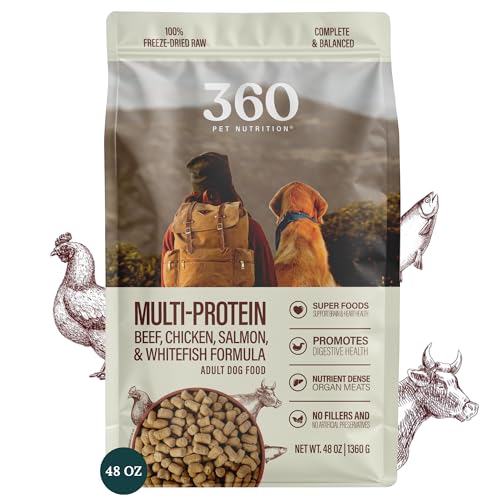
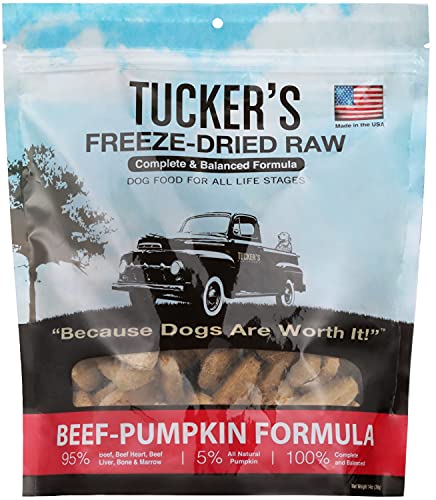
Freeze Dried Raw Food Diet for Dogs: The Complete Guide
Everything you need to know about freeze dried raw dog food — how it works, its benefits and risks, how to transition safely, and how to choose the right product for your dog.
The freeze dried raw food diet for dogs has surged in popularity among pet owners who want the nutritional benefits of a raw diet without the hassle and safety concerns of handling fresh raw meat. Freeze drying preserves raw ingredients in a shelf-stable form that is lightweight, convenient, and retains much of the nutritional value of the original food.
But is freeze dried raw food right for your dog? Is it truly better than traditional kibble, or is it just an expensive trend? This guide breaks down the science, the practical considerations, and the real-world experience of feeding a freeze dried raw diet so you can make an informed decision.
What Is Freeze Dried Raw Dog Food?
Freeze dried raw dog food is exactly what it sounds like: raw ingredients—meat, organs, bones, fruits, and vegetables—that have been freeze dried to remove moisture while preserving the nutritional profile. Unlike traditional kibble, which is cooked at high temperatures (a process that destroys many nutrients and enzymes), freeze drying preserves the raw state of the ingredients.
The result is a lightweight, shelf-stable product that can be fed dry or rehydrated with water. Many owners prefer freeze dried raw over frozen raw because it is easier to store, has a longer shelf life, and is more convenient for travel. If you're exploring raw dog food options, freeze dried is often the most practical entry point.
Key Point: Freeze drying does not cook the food. It removes approximately 98% of the moisture content, which prevents bacterial growth and gives the product its long shelf life. However, it does not sterilize the food—bacteria like Salmonella and E. coli can still be present, which is why safe handling practices are essential.
How Freeze Drying Works
Understanding the freeze drying process helps explain why this type of food is different from both raw frozen and traditional kibble. The process has three main stages:
- Freezing: The raw ingredients are frozen solid, typically at very low temperatures. This locks the ingredients in their current state.
- Sublimation: The frozen food is placed in a vacuum chamber. The pressure is lowered, and the temperature is carefully raised so that the ice converts directly into vapor without passing through a liquid phase. This is called sublimation.
- Secondary drying: Any remaining bound water molecules are removed through a final drying phase, resulting in a product with less than 2% moisture content.
This process preserves the structural integrity of the food, retains most vitamins and minerals, and keeps the natural enzymes intact. It's the same technology used to preserve astronaut food and certain pharmaceuticals—it's a proven method for long-term preservation without heat.
Benefits of Freeze Dried Raw Diets
Proponents of freeze dried raw food cite numerous benefits. While individual results vary, here are the most commonly reported advantages:
- Superior nutrition retention: Because freeze drying doesn't use high heat, vitamins, minerals, and enzymes remain largely intact. Traditional kibble cooking destroys many of these nutrients, which is why synthetic vitamins are added back in.
- High-quality protein: Freeze dried raw foods typically use muscle meat, organs, and bone as primary ingredients, providing biologically appropriate protein sources for dogs.
- Improved coat and skin health: Many owners report shinier coats, less shedding, and fewer skin issues after switching to raw. The natural fats and nutrients in raw food support skin health.
- Better digestion: Raw food is often easier for dogs to digest, leading to smaller, firmer stools and less gas. This is partly because the food isn't processed with fillers and carbohydrates that dogs struggle to digest.
- Dental benefits: Chewing on raw meat and bone can help clean teeth and reduce plaque. Some freeze dried products include ground bone, which provides calcium and promotes dental health. For additional dental support, consider professional dental cleaning.
- Increased energy and vitality: Many owners notice increased energy levels and improved overall condition after switching to raw. This is anecdotal but widely reported.
- Convenience: Unlike frozen raw, freeze dried raw is shelf-stable and lightweight. It's easy to store, portion, and travel with. No thawing required.
- Palatability: Most dogs find freeze dried raw food highly palatable because it retains the natural flavor and aroma of raw meat.
Risks and Considerations
While freeze dried raw food offers many potential benefits, it's not without risks and drawbacks. Being aware of these helps you make a balanced decision:
- Bacterial contamination: Freeze drying does not kill bacteria. Salmonella, E. coli, and Listeria can be present in raw meat. While healthy dogs are generally resistant, these bacteria can pose a risk to humans, especially children, the elderly, and immunocompromised individuals. Always wash hands and surfaces thoroughly after handling.
- Nutritional completeness: Not all freeze dried raw foods are complete and balanced. Some are intended as toppers or treats, not sole diets. Look for products that meet AAFCO standards for complete and balanced nutrition for your dog's life stage. If you're considering a homemade raw diet, consult a veterinary nutritionist.
- Cost: Freeze dried raw food is significantly more expensive than kibble. The cost reflects the high-quality ingredients and the expensive freeze drying process. If budget is a concern, you might consider using freeze dried raw as a topper rather than a complete diet.
- Bone content: Some freeze dried raw foods contain ground bone. While this is natural for dogs, too much bone can cause constipation or, in rare cases, internal damage. Ensure the product is formulated correctly and don't add extra bone.
- Transition period: Switching to any new diet can cause digestive upset. A gradual transition is essential to avoid diarrhea and vomiting.
- Storage: Once rehydrated, freeze dried raw food must be treated like fresh raw meat—refrigerate and use within 24-48 hours. Don't leave it out at room temperature.
Important: If anyone in your household has a compromised immune system, consult a doctor before feeding any raw diet. The risks of bacterial exposure are real and should be taken seriously.
Types of Freeze Dried Raw Products
Freeze dried raw food comes in several formats. Understanding the differences helps you choose the right product for your dog:
Complete Meals
Formulated to meet AAFCO standards for complete and balanced nutrition. Can be fed as the sole diet. These products typically include muscle meat, organs, bone, and added vitamins and minerals to ensure nutritional completeness. Ideal for owners who want the convenience of a complete raw diet without homemade formulation.
Premium tierMeal Mixers and Toppers
Intended to be mixed with other food, not fed as a sole diet. These products add raw nutrition and palatability to kibble or home-cooked meals. They are not nutritionally complete on their own. Great for picky eaters or for adding variety to your dog's diet.
Mid-tierTreats
Single-ingredient freeze dried treats like chicken breast, liver, or fish. These are not complete diets but make excellent high-value training treats. They retain the nutritional value of raw meat and are highly palatable. A great way to introduce raw food to hesitant dogs.
Entry-levelPuppy Formulas
Specifically formulated for growing puppies with higher protein, fat, and mineral content. These meet AAFCO standards for growth. Always check the label to ensure it's appropriate for your puppy's age and size. Large breed puppies have specific calcium and phosphorus requirements.
Premium tierHow to Transition Your Dog to Freeze Dried Raw Food
A sudden switch to any new diet can cause digestive upset. A gradual transition over 7-10 days is recommended, though some dogs with sensitive stomachs may need 2-3 weeks. Here's a step-by-step approach:
- Days 1-2: Mix 25% freeze dried raw (rehydrated) with 75% of your dog's current food. Monitor for any signs of digestive upset.
- Days 3-4: Increase to 50% freeze dried raw and 50% old food. If diarrhea or vomiting occurs, slow down and stay at the previous ratio for a few more days.
- Days 5-7: Move to 75% freeze dried raw and 25% old food. By now, your dog's gut should be adapting to the new diet.
- Days 8-10: Transition to 100% freeze dried raw. Continue to monitor your dog's stool quality, energy, and overall condition.
During the transition, keep these tips in mind:
- Rehydrate properly: Most freeze dried raw foods should be rehydrated with warm water before serving. This helps prevent dehydration and makes the food easier to eat. Follow the package instructions for the correct water-to-food ratio.
- Don't overfeed: Freeze dried raw is nutrient-dense. Feeding too much can cause digestive upset and weight gain. Follow the feeding guidelines on the package, adjusting based on your dog's body condition.
- Monitor stool: Stool quality is the best indicator of how your dog is handling the transition. Ideally, stools should be firm, well-formed, and easy to pick up. If stools become loose, slow down the transition.
- Be patient: Some dogs adapt quickly, while others take weeks. Don't rush the process.
How to Choose Quality Freeze Dried Food
Not all freeze dried raw foods are created equal. Here's what to look for when evaluating products:
- AAFCO statement: Look for a statement that the food is "complete and balanced" for your dog's life stage (growth, adult maintenance, or all life stages). This ensures the food meets minimum nutritional standards. Avoid products that are only intended as toppers or treats if you want a complete diet.
- Named protein sources: The first ingredient should be a named meat, such as "chicken," "beef," or "salmon." Avoid generic terms like "meat meal" or "poultry by-product."
- Limited ingredients: High-quality freeze dried raw foods typically have short ingredient lists. You should recognize most of the ingredients as whole foods, not synthetic additives.
- Organs and bone: A complete raw diet should include organ meats (liver, kidney, heart) and ground bone for calcium and other nutrients. These are essential for nutritional completeness.
- Sourcing and safety: Look for brands that source ingredients from trusted farms and have rigorous safety testing. Some brands use high-pressure processing (HPP) to reduce bacteria—this is a safety bonus.
- Reputation: Research the brand's history, recall record, and customer reviews. A reputable brand will be transparent about their sourcing and manufacturing practices. You can also check resources like the dog DNA test to understand your dog's genetic predispositions, which might influence dietary needs.
Pro Tip: If you're unsure whether a freeze dried raw food is right for your dog, start with a small bag or a sample pack. Many brands offer trial sizes so you can test palatability and digestibility before committing to a full-size bag.
Life Stage and Special Needs
Freeze dried raw food can be appropriate for dogs at all life stages, but the formulation must match your dog's needs:
- Puppies: Puppies have higher protein, fat, and mineral requirements for growth. Choose a freeze dried raw food formulated for puppies or all life stages. These formulas meet AAFCO standards for growth. Always consult your vet before starting a raw diet for a puppy.
- Adult dogs: Adult maintenance formulas meet the needs of most healthy adult dogs. If your dog is very active or has a high metabolism, you may need to adjust portion sizes.
- Senior dogs: Older dogs may benefit from a raw diet that is easier to digest and provides joint support. Some freeze dried raw foods include added glucosamine and chondroitin. However, senior dogs with kidney disease may need a lower-protein diet—consult your vet before switching.
- Dogs with allergies: Freeze dried raw food can be an excellent option for dogs with food allergies because you can choose limited-ingredient formulas with novel proteins. However, if your dog has severe allergies, work with your vet to identify safe ingredients. You may also want to consider dog food for allergies and sensitive stomachs as an alternative or complement.
- Dogs with sensitive stomachs: Raw food is often easier to digest, but the transition must be slow. If your dog has a sensitive stomach, consider starting with a single-protein freeze dried raw food and transitioning very gradually.
Frequently Asked Questions
Ready to Make the Switch?
A freeze dried raw food diet can be a game-changer for dogs who thrive on raw nutrition. It offers the benefits of raw feeding with the convenience of shelf-stable storage. Start with a small bag, transition slowly, and monitor your dog's response. If you're unsure, consult your veterinarian or a veterinary nutritionist to ensure you're meeting your dog's specific needs. For more information on raw feeding, explore our raw dog food guide and our freeze dried dog food resources. Your dog's health is worth the effort.