Best Way to Train a Puppy to Pee on Pad
A complete, step-by-step guide to successful puppy pad training. Learn the proven methods, schedules, and tips that actually work.
Bringing a new puppy home is exciting, but the prospect of potty training can feel overwhelming. One of the most common questions new puppy owners ask is: "What is the best way to train a puppy to pee on a pad?" Whether you live in an apartment, have limited outdoor access, or simply want a convenient backup, puppy pad training is a reliable and effective solution when done correctly.
This guide will walk you through every step of the process. We'll cover choosing the right pads, setting up a training area, establishing a schedule, and troubleshooting common problems. By the end, you'll have all the knowledge you need to successfully train your puppy to pee and poop on a pad.
Why Use Puppy Pads?
Puppy pads, also known as potty pads or pee pads, are absorbent sheets designed to give your dog a designated indoor bathroom spot. They are a practical and effective solution for many puppy owners, offering flexibility and peace of mind. They are especially useful for:
- Apartment Dwellers: If you live on a high floor or don't have a private yard, pads provide a convenient alternative.
- Weather Extremes: During heavy rain, snow, or extreme heat, pads allow your puppy to go potty indoors safely.
- Puppies Not Fully Vaccinated: Young puppies are at risk of disease in public outdoor areas. Pads offer a safe indoor potty option.
- Nighttime & Emergencies: Pads give your puppy a reliable spot to go if they wake up at night or can't hold it until you get home.
- Transition to Outdoors: Some owners use pads as a transitional tool, gradually moving the pad closer to the door and eventually outside. For more on this, see our guide on how to train a dog to pee and poop outside.
Supplies You'll Need
Having the right supplies from the start sets you up for success. Here's what you'll need for effective puppy pad training:
- High-Quality Puppy Pads: Choose pads with a waterproof backing, absorbent core, and scent attractant. Avoid cheap pads that leak or tear easily.
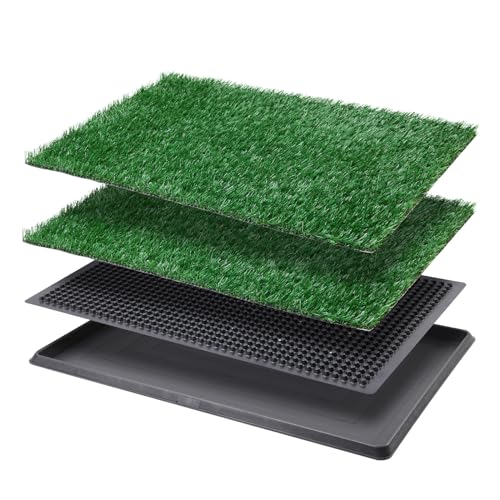
- Pad Holder or Tray: This keeps the pad in place and prevents your puppy from chewing or dragging it around. It also makes cleanup easier.
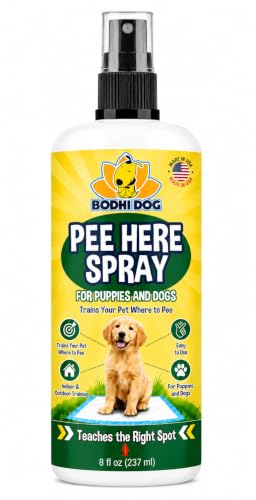
- Enzymatic Cleaner: An enzymatic cleaner (like Nature's Miracle) is essential for cleaning up accidents. It breaks down the proteins in urine and eliminates the odor completely, so your puppy won't be tempted to go in the same spot again.
- Small, High-Value Treats: Use tiny, irresistible treats to reward your puppy for using the pad. Keep them small so you can give plenty without overfeeding.
- Crate or Playpen: A confined space helps with potty training by teaching your puppy to hold it. Puppies naturally avoid soiling their sleeping area.
- Patience and Consistency: This is the most important supply. Training takes time, and accidents are part of the process.
Step-by-Step Training Method
Follow these proven steps to teach your puppy to use a pee pad reliably. Consistency and positive reinforcement are the keys to success.
Choose the Right Location
Pick a quiet, low-traffic area that is easy for your puppy to access. A corner of the kitchen, laundry room, or a bathroom often works well. Place the pad in the same spot every time. Avoid high-traffic areas or places where your puppy sleeps or eats.
Introduce the Pad
Let your puppy sniff and investigate the pad while it's on the floor. You can place a small treat on the pad to create a positive association. Don't force them onto it – let them explore on their own terms.
Establish a Routine
Take your puppy to the pad first thing in the morning, after meals, after naps, and after play sessions. These are the times they are most likely to need to go. Carry them to the pad if needed to prevent accidents along the way.
Use a Command
As your puppy starts to sniff and circle on the pad, say a specific command like "go potty" or "pee pad." Use the same command consistently. This helps them associate the action with the words.
Reward Immediately
The moment your puppy starts to pee or poop on the pad, calmly say "yes!" (or use a clicker) and immediately give them a small, high-value treat. Then, give them verbal praise. The reward must come within 1-2 seconds for them to make the connection.
Clean Accidents Properly
If your puppy has an accident off the pad, stay calm. Do not punish them – they will not understand and it can damage your bond. Clean the area thoroughly with an enzymatic cleaner to remove the scent. This is crucial to prevent them from using the same spot again.
Gradually Reduce Pad Area
Once your puppy is consistently using the pad, you can start reducing the number of pads or the size of the pad area. This helps them learn to aim for a smaller target. Some owners transition to a designated potty spot or eventually move the pad outdoors.
Be Patient & Consistent
Every puppy learns at their own pace. If you have setbacks, go back to basics. Re-evaluate your schedule and make sure you are rewarding successes and minimizing opportunities for accidents. Consistency from everyone in the household is essential.
Setting a Potty Schedule
A consistent schedule is the backbone of successful pad training. Puppies have small bladders and need frequent opportunities to go. Here is a sample schedule you can adapt:
Sample Potty Schedule for an 8-12 Week Old Puppy
- 7:00 AM: Wake up, take to pad immediately.
- 7:15 AM: Breakfast, then take to pad 15-20 minutes later.
- 9:00 AM: Take to pad (after a nap or play session).
- 11:00 AM: Take to pad.
- 12:00 PM: Lunch, then take to pad 15-20 minutes later.
- 2:00 PM: Take to pad.
- 4:00 PM: Take to pad.
- 5:30 PM: Dinner, then take to pad 15-20 minutes later.
- 7:00 PM: Take to pad.
- 9:00 PM: Take to pad (last potty of the night).
- Midnight (optional): If your puppy wakes up crying, take them to the pad quietly.
Pro Tip: Always take your puppy to the pad immediately after they wake up, eat, drink, or play. These are the times they are most likely to need to eliminate.
As your puppy gets older and gains better bladder control, you can gradually increase the time between potty breaks. A good rule of thumb is a puppy can hold it for their age in months plus one hour (e.g., a 3-month-old puppy can usually hold it for about 4 hours). However, this is just a guideline, and many factors like breed, size, and activity level can affect this.
Troubleshooting Common Problems
Even with a perfect training plan, problems can arise. Here are the most common issues and how to solve them.
Puppy Pees Next to the Pad
This is one of the most common frustrations. Use an enzymatic cleaner to thoroughly remove the scent of the missed spot. Then, try placing the pad in a corner or against a wall, as many puppies prefer to back up against a surface when they go. A pad holder can also help keep the pad in place and make the target area clearer.
Puppy Chews or Tears Up the Pad
Some puppies view pads as a toy. Try a heavier-duty pad or a pad holder that only exposes the absorbent surface. You can also redirect your puppy's chewing urge by providing appropriate chew toys. If the behavior persists, you can try using a different type of pad with a texture they don't find as appealing.
Puppy Uses the Pad for Pee but Poops Elsewhere
Some puppies differentiate between peeing and pooping. You may need a separate pad for poop, or use a larger pad area. Pay close attention to the signs your puppy shows before pooping (circling, sniffing, squatting) and quickly take them to the pad. Reward generously for pooping on the pad.
Puppy Won't Go on the Pad at All
If your puppy consistently avoids the pad, you may have chosen the wrong location. Try moving it to a quieter area, or a spot where your puppy has already had an accident (after cleaning it thoroughly). You can also try placing a pad with a scent attractant or using a small piece of soiled pad to help them understand the purpose.
Why Enzymatic Cleaners Are Essential
Ordinary household cleaners may remove the stain, but they don't break down the proteins in urine. Your puppy's powerful nose can still detect the scent, which tells them "this is a good place to pee." Enzymatic cleaners are specially formulated to eliminate these proteins, removing the scent completely and breaking the cycle. This is the single most important tool for preventing repeat accidents.
If you've tried all these solutions and are still struggling, consider if there might be a medical issue. If your puppy seems to be having accidents more frequently than they should, or if they are straining to go, a visit to the vet is a good idea. This is especially important if you notice other symptoms like lethargy or loss of appetite – see our guide on what to do if your dog won't eat for more context on health-related behavior changes.
Transitioning from Pads to Outdoors
Many owners use pads as a stepping stone to outdoor potty training. If you want to make this transition, start by gradually moving the pad closer to the door you use to go outside. Then, begin taking the pad outside with you. Eventually, you can remove the pad and take your dog directly to the same spot outside. For more detailed strategies, read our guide on how to train your dog to go outside.
Frequently Asked Questions
Ready to Start Training?
Puppy pad training is a skill, and like any skill, it takes practice and patience. Remember that consistency, positive reinforcement, and patience are your most powerful tools. Celebrate every success, no matter how small. The fact that you're here reading this guide shows you're a dedicated owner ready to help your puppy succeed. We also have guides on specific breeds, like training a Shih Tzu puppy, or other potty training topics such as getting your puppy to use the pad or if your puppy pees but doesn't poop on the pad. Good luck, and give your puppy a treat from us!