How to Get My Puppy to Use the Puppy Pad
Struggling with puppy pad training? This complete guide covers everything you need to know — from setup and training techniques to troubleshooting common problems.
Why Puppy Pad Training Matters
Puppy pad training is one of the most practical skills you can teach your new puppy. Whether you live in a high-rise apartment with no immediate outdoor access, work long hours and can't take your puppy out frequently, or simply want a backup option for rainy days and emergencies, pad training gives you and your puppy flexibility.
Beyond convenience, pad training helps establish good habits early. It teaches your puppy a designated elimination spot, which is the foundation of all potty training. When done correctly, pad training doesn't confuse puppies — it actually helps them understand that there are specific places where it's okay to go.
Key Insight: Puppies under 4 months old have limited bladder control. They physically cannot hold it for more than 2-3 hours. Pad training isn't about being lazy — it's about setting your puppy up for success instead of setting them up for failure.
Pad training also protects your floors and carpets from accidents, which can be especially important if you're renting or have expensive flooring. And for owners of toy breeds or very small dogs who may struggle with extreme weather or longer distances, pads can be a permanent, safe solution.
Setting Up the Perfect Potty Area
The location of your puppy pad is one of the most critical success factors. The wrong location can make training take weeks longer — or even fail entirely.
Choosing the Right Location
- Easy to reach: Place the pad somewhere your puppy can access quickly. The further away it is, the more likely your puppy will have an accident en route.
- Away from food and water: Puppies naturally don't want to eliminate where they eat. Keep the pad at least 5-10 feet away from feeding stations.
- Quiet and low-traffic: A busy hallway or near a loud appliance can make your puppy anxious and reluctant to use the pad. Choose a calm, consistent spot.
- Consistent location: Don't move the pad around. Dogs are creatures of habit — they need to know exactly where the potty area is every time.
Popular location choices include: a corner of the kitchen, a bathroom, a laundry room, or a dedicated area in a hallway. Many owners find success placing the pad near the door they'll eventually use for outdoor potty breaks.
Pad Setup Best Practices
- Use 2-3 layers of newspaper or absorbent pads to prevent leakage onto your floors.
- Consider using a pad holder or tray to keep the pad secure and prevent your puppy from chewing or shredding it. High-quality bowls and feeding accessories can help establish a consistent feeding area separate from the potty spot.
- Clean up accidents properly: Use an enzyme-based cleaner specifically designed for pet urine. Regular household cleaners won't remove the scent markers that tell your puppy "this is a good place to go."
- If you have multiple floors, consider starting with a pad on each floor while your puppy is young and mobility is limited.
Pro Tip: Before placing the pad, spend a day observing your puppy. Where do they naturally gravitate toward when they need to go? Place the pad in that general area. Your puppy may already be telling you where they want their potty spot to be.
Step-by-Step Training Process
Now that your potty area is set up, it's time to train. Follow these steps consistently, and your puppy will understand the concept within days.
Predict the Need
Take your puppy to the pad at predictable times: immediately after waking up, after meals, after play sessions, and before bed. These are the times when puppies naturally need to eliminate.
Lead, Don't Carry
Gently lead your puppy to the pad using a leash or by calling them. Carrying your puppy to the pad can be confusing — they need to understand the path to their potty spot for future independence.
Use a Command Word
Choose a consistent command like "Go potty" or "Pad time." Say it calmly as your puppy sniffs and circles the pad. This builds a verbal association that will be useful for life.
Stay Until Success
Wait quietly while your puppy stands on the pad. If they start to wander off, gently guide them back. Don't force them to stay — just gently redirect. The goal is for them to make the choice to use the pad.
Reward Immediately
The moment your puppy eliminates on the pad, praise enthusiastically and give a treat while they're still on the pad. This reinforces the connection: "Going here = good things happen."
Clean and Repeat
After success, change the pad or add fresh newspaper. Keep the area inviting. Then resume your routine, taking your puppy to the pad at the next predicted time.
Remember: Puppies have short attention spans. Keep training sessions positive and brief. If your puppy doesn't go within 3-5 minutes, take them away and try again 10-15 minutes later. Crate training can complement pad training by establishing boundaries and preventing nighttime accidents.
Creating a Potty Schedule
Consistency is the secret to successful pad training. A predictable schedule helps your puppy understand expectations and prevents accidents. Use this sample schedule as a guide:
- Morning (7:00 AM): Wake up, go straight to the pad. Reward success.
- After Breakfast (7:30 AM): Puppies typically need to go within 15-20 minutes after eating. Lead to the pad.
- Mid-Morning (9:30-10:00 AM): Potty break. Even if they went earlier, puppies need frequent opportunities.
- Lunchtime (12:30 PM): Another meal, another potty trip immediately after.
- Afternoon (2:30 PM, 4:30 PM): Schedule breaks every 1.5-2 hours during the day.
- Evening (6:00 PM): Dinner, then potty trip.
- Late Evening (8:30 PM): Final potty trip before settling down.
- Night (10:30 PM - 11:00 PM): Last visit to the pad before bedtime.
Adjusting for Age: Puppies under 12 weeks need potty breaks every 1-2 hours. At 3-4 months, you can extend to every 2-3 hours. At 5+ months, aim for every 3-4 hours. Learn how to recognize when your puppy needs to go — circling, sniffing, and whining are all signals.
Troubleshooting Common Problems
Even with the best setup, challenges arise. Here are the most common pad training problems and how to solve them:
Puppy Pees on Pad But Not Poop
This is incredibly common. Many puppies differentiate between peeing and pooping. Try:
- Two pads: Place two pads side by side. Some puppies prefer separate spots for different functions.
- Timing: Pooping often follows eating by 30-60 minutes. Be extra vigilant during these windows.
- Patience: Wait longer at the pad. Some puppies need more time to feel comfortable pooping in a new place.
If the problem persists, check out our detailed guide on why your puppy pees on the pad but won't poop.
Puppy Keeps Missing the Pad
If your puppy is going near the pad but not on it:
- Use a larger pad or multiple pads to create a bigger target.
- Make sure the pad is flat and stable — if it crinkles or slides, your puppy may avoid it.
- Consider using a pad with attractant that mimics the scent of urine and draws your puppy to the right spot.
Puppy Plays With or Chews the Pad
Some puppies see pads as toys. Here's what to do:
- Use a pad holder that keeps the pad secure and prevents chewing.
- Redirect, don't punish. If your puppy starts chewing, call them away and offer an appropriate chew toy like a durable chew toy.
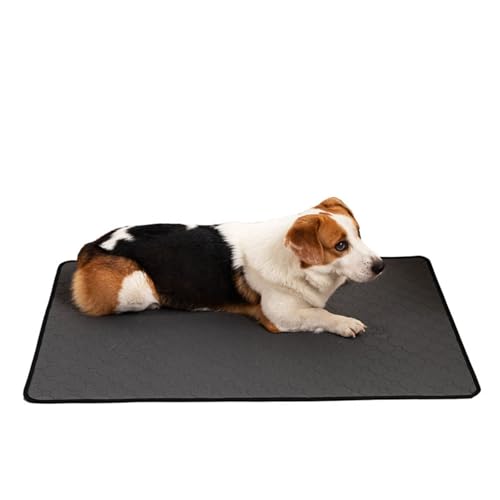
- Try a different pad material — some puppies dislike certain textures and respond better to cloth pads or artificial grass options.
Accidents on Carpet or Furniture
When accidents happen off the pad:
- Clean thoroughly with enzyme cleaner to eliminate the odor completely.
- Restrict access to areas where accidents frequently occur until training is more established.
- Review your schedule — accidents often mean you're not taking your puppy to the pad often enough.
Important: Never punish your puppy for accidents off the pad. Punishment creates fear, and a fearful puppy will simply hide to go potty — making your problem worse. Instead, interrupt the accident calmly, gently lead your puppy to the pad, and reward if they finish there. For those who eventually want to transition to outdoor potty, understanding the basics of proper training is essential.
Best Products for Pad Training
The right tools make pad training significantly easier. Here's what you should consider:
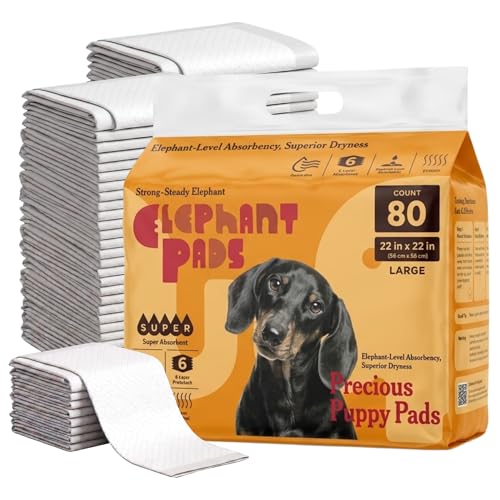
- High-quality puppy pads: Look for pads with multiple layers for leak-proof protection, attractant scents to encourage use, and adhesive corners to keep them in place. Budget options may be tempting, but cheap pads often leak and frustrate both you and your puppy.
- Pad holders and frames: These devices hold pads securely in place, preventing sliding or chewing. Some models are elevated to mimic the feeling of outdoor grass.
- Artificial grass pee pads: These reusable options look and feel like real grass, making the transition to outdoor potty later much easier. They're also more environmentally friendly.
- Enzyme-based cleaners: Essential for cleaning accidents properly. Regular cleaners leave behind scent markers that attract your puppy to the same spot again.
- Puppy potty training bells: While not strictly for pads, these can help your puppy learn to communicate their needs, which supports overall potty training success.
For a comprehensive list of recommended supplies, check our complete dog products guide. We cover everything from the best puppy pads to durable crates and feeding essentials.
Transitioning to Outdoor Potty
Many owners use pads as a stepping stone to outdoor potty training. If you plan to transition eventually, here's a gradual approach:
- Start before moving: Begin the transition process while your puppy is still pad-trained. This gives you time to establish a new routine before the old one disappears.
- Move the pad closer to the door: Gradually shift the pad's location toward the door you'll use for outdoor breaks. Move it a few feet each day until it's right by the door.
- Move the pad outside: Once your puppy consistently uses the pad by the door, move it just outside the door. Your puppy should be able to see it and understand the connection.
- Remove the pad entirely: After your puppy consistently uses the pad outside, remove it and start taking your puppy to the outdoor spot directly. Use the same command you've been using.
- Reward outdoor successes generously: Make outdoor potty breaks feel even more rewarding than pad breaks. Use high-value treats and lots of praise.
Pro Tip: If you plan to transition, consider using a pad holder that includes an artificial grass insert. This gives your puppy a consistent texture from the very beginning, making the switch to real grass almost seamless. Teaching your puppy to signal when they need to go will also greatly simplify the transition.
Common Mistakes to Avoid
Even well-meaning owners make these errors. Avoid them for faster, smoother training:
- Using punishment for accidents. This creates fear and secrecy, not understanding. Always redirect, never punish.
- Not rewarding consistently. Every single success on the pad should be rewarded. Inconsistency leads to inconsistency.
- Moving the pad too often. Pick one spot and stick with it. Changing locations confuses your puppy and slows progress.
- Expecting too much too soon. A 2-month-old puppy is not going to be fully trained in a week. Patience is required.
- Not cleaning accidents properly. Enzyme cleaners are non-negotiable. Any lingering scent tells your puppy "this spot is okay."
- Using pads with the wrong scent. Some pads have scents that deter puppies. If your puppy seems reluctant, try a different brand.
- Overwhelming your puppy. If you're training in a large open space, your puppy may not know where to go. Use confinement (playpens or small rooms) to guide them to the pad.
Frequently Asked Questions
Your Puppy Pad Training Checklist
Remember these key principles: pick a consistent location, use enzyme cleaner for accidents, reward every success, take your puppy to the pad frequently, and be patient. Pad training is a skill that takes time to develop, but with consistency, your puppy will get it.
Ready to get started? Make sure you have the right supplies before you begin. Browse our recommended dog products to find the best puppy pads, training accessories, and cleaning supplies for your new furry family member.