How to Train a Maltese to Pee on a Pad
The ultimate step-by-step guide for successful and stress-free pad training your Maltese. From setup to troubleshooting, we cover everything you need to know.
Training a Maltese to use a pee pad is one of the most practical decisions you can make as an owner. These tiny, intelligent dogs are known for their charm and loyalty, but their small bladders and sensitive nature can make traditional outdoor potty training challenging. Pad training offers a consistent, convenient, and weather-proof solution that many owners find invaluable.
This guide provides a detailed roadmap for successfully training your Maltese to pee on a pad. We cover everything from choosing the right supplies and setting up a training station to establishing a routine, advanced troubleshooting, and transitioning to outdoor potty habits if desired. Whether you have a new puppy or an older dog that needs a refresher, these proven techniques will help you achieve a clean and happy home.
Why Pad Training a Maltese Makes Sense
Maltese dogs are one of the most beloved toy breeds, known for their affectionate nature and beautiful white coats. However, their small size comes with a tiny bladder, and their thick coat can make rainy or cold weather outings less appealing. Pad training solves several common problems:
- Convenience: You don't need to rush outside in bad weather or late at night. The pad is always available.
- Consistency: For owners who live in apartments or high-rises without easy yard access, pads offer a reliable spot.
- Health and Safety: It's a safe alternative until your puppy is fully vaccinated, reducing exposure to diseases from other animals.
- Dual Training: Pads can be a stepping stone to outdoor training or a permanent solution, depending on your lifestyle.
Important: Pad training requires patience. Maltese puppies can be stubborn, but they respond wonderfully to positive reinforcement. Consistency is the golden rule. Never punish accidents — simply clean them up and redirect to the pad.
Essential Supplies You'll Need
Gathering the right supplies before you start will set your Maltese up for success. Here's what you'll need:
- Puppy Training Pads: Choose highly absorbent pads with a leak-proof backing. Scented pads with an attractant can help encourage your Maltese to use them. A 20"x20" or 22"x22" size is usually sufficient.
- Pad Tray or Holder: A plastic tray or holder keeps the pad in place, prevents slipping, and contains any misses. It also helps define the potty area.
- Enzymatic Cleaner: Essential for cleaning up accidents. It breaks down the proteins in urine, removing the smell that attracts your dog to go again in the same spot.
- High-Value Treats: Small, soft treats that your Maltese loves. These are used to reward successful pad use immediately.
- Clicker (Optional): If you use clicker training, have one ready to mark the exact moment your dog goes on the pad.
- Baby Gate or Playpen: This helps manage your dog's space and prevents them from having accidents in other parts of the house while they are learning.
Setting Up the Perfect Pad Station
Location is key. Place the pad in a quiet, easily accessible area that your dog can reach without passing through the whole house.
How to Choose the Right Spot:
- Accessibility: Choose a spot that is convenient for both you and your dog. Avoid high-traffic areas that might be too stimulating.
- Consistency: Always place the pad in the same location. Moving it around can confuse your Maltese.
- Privacy: Dogs prefer a quiet, private spot to do their business. A corner of a room or a laundry room works well.
- Cleanliness: Place the pad away from your dog's food and water bowls and their bed. Dogs naturally avoid soiling where they eat or sleep.
Establishing a Consistent Routine
A consistent schedule is the foundation of successful pad training. Maltese, like all dogs, thrive on predictability. Here's a sample feeding and potty schedule:
| Time | Activity |
|---|---|
| 7:00 AM | Wake up, take your Maltese to the pad immediately. Praise and reward if they go. |
| 7:30 AM | Breakfast (puppy or adult food). |
| 8:00 AM | Take to the pad 15-20 minutes after eating. Puppies need to go more often. |
| 10:00 AM | Mid-morning pad break. |
| 12:00 PM | Lunchtime pad break (especially important for puppies). |
| 2:00 PM | Mid-afternoon pad break. |
| 5:00 PM | Early evening pad break. |
| 6:00 PM | Dinner. |
| 6:30 PM | Pad break 15-20 minutes after dinner. |
| 9:00 PM | Last pad break of the evening. |
| Nighttime | Limit water intake 1-2 hours before bed. Place a pad in the crate or nearby for nighttime emergencies. |
Pro Tip: Puppies have tiny bladders and may need to go every 1-2 hours. As your Maltese gets older, you can gradually extend the time between breaks. Watch for signs they need to go — circling, sniffing, or whining.
Step-by-Step Training Guide
Follow these steps to effectively train your Maltese to use the pee pad:
- Start with Crate Training: Crate training is not punishment; it's a safe haven. A properly sized crate helps your dog learn to hold their bladder and establishes a den-like environment. Never leave them in the crate for more than a few hours at a time. For more guidance on crate training, check out our article on how to get a puppy to stop crying in a kennel.
- Confine the Space: Use baby gates or an ex-pen to limit your Maltese's access to a small area with the pad at one end, and their bed and toys at the other. This prevents them from sneaking off to have accidents elsewhere.
- Watch for Signs: Learn to read your dog's behavior. Common signs they need to go include circling, sniffing intensely, squatting, or heading towards the door. When you see these signs, immediately bring them to the pad.
- Use a Command: Choose a cue like "go potty" or "do your business." Say it calmly as they approach the pad and while they are using it. This helps them associate the action with the command.
- Reward Immediately: The moment they finish on the pad, mark the behavior with a "yes!" or a click, and give them a high-value treat and enthusiastic praise. This is the most crucial step. The reward must be immediate for them to make the connection.
- Stick to the Schedule: Consistency is everything. Continue taking them to the pad at regular intervals, especially after waking up, eating, and playing.
- Gradual Freedom: As your dog becomes more reliable, slowly increase their access to the house, but always supervise them. If they have an accident, reduce their freedom and reinforce the basics.
Remember, every dog learns at their own pace. Be patient and celebrate the small victories. If your Maltese seems to be struggling, you may find helpful tips in our guide on how to train a dog to pee and poop outside, which uses similar foundational principles.
Troubleshooting Common Issues
Even with the best plan, you may encounter some challenges. Here are common problems and how to solve them:
My Maltese Misses the Pad
- Clean Up Thoroughly: Use an enzymatic cleaner to remove the odor. If the smell remains, your dog will be attracted to that spot again.
- Check the Pad Size: The pad might be too small. Try using a larger pad or placing two pads side-by-side.
- Consider a Tray: A tray with a raised edge can help contain accidents and keep the pad in place.
My Dog is Pooping on the Pad but Not Peeing
- Make the Pad More Attractive: Try a pad with a different scent or a grass patch. Some dogs prefer different surfaces for different functions.
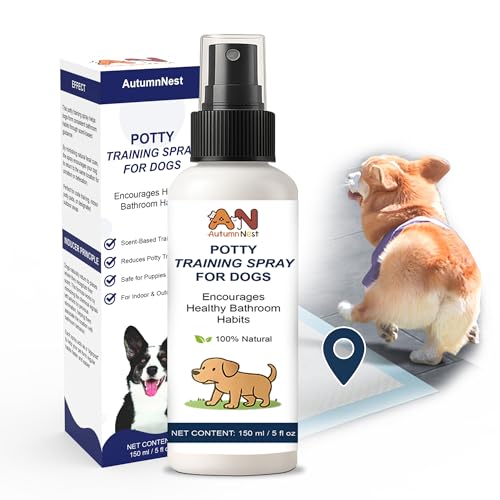
- Use a Pee Attractant: You can buy sprays that are designed to attract dogs to pee on a specific spot. Spray it on the pad.
- Reinforce the Routine: Pay extra attention to the timing. Dogs often pee at different times than they poop. For more details, see our guide on my puppy pees on the pad but doesn't poop.
My Maltese is Eating the Pad
- Use a Pad Holder: This covers the edges and makes it harder to chew.
- Supervise Closely: Never leave your dog alone with a pad until they have learned not to chew it.
- Try a Different Brand: Some pads have a texture or scent that is less appealing for chewing.
Important: If your Maltese is having frequent accidents and you are following the training steps, consider a vet visit to rule out urinary tract infections or other health issues. This is especially important for older dogs.
Transitioning to Outdoor Potty
Many owners start with pad training and later transition their Maltese to going outside. If that's your goal, here's how to make the switch smoothly:
- Gradual Move: Start by moving the pad closer to the door over several days. Eventually, place it just outside the door and finally, remove it entirely.
- Create a Routine: Use the same command ("go potty") when you take them outside. Reward them heavily for going in the new spot.
- Be Patient: It's a big change. Allow your dog time to adjust and don't get frustrated if there are accidents.
- Use Outdoor Potty Aids: You can use an attractant spray on the grass or a patch of grass from a pet store to help them understand the new surface.
If you're dealing with a dog that seems to have behavioral issues around potty training, you might want to explore behavior modification techniques to address any underlying anxieties.
Frequently Asked Questions
Ready to Start Training Your Maltese?
With patience, consistency, and the right tools, your Maltese will be pad-trained before you know it. Browse our recommended products below to get everything you need for a successful training journey.
Shop Recommended ProductsStill Have Questions?
Every dog is unique. If you're facing a specific challenge not covered here, explore our other training guides, such as how to train a Shih Tzu puppy to pee on a pad or how to train a puppy to use a litter box for alternative methods. The key is to stay patient, consistent, and positive — your Maltese will get there!